REVIEW · NASHVILLE
Walkin’ Nashville – Music City Legends Tour
Book on Viator →Operated by Bill DeMain · Bookable on Viator
Music City has stories you miss at street level. This 1.5-ish hour legends walk stitches together downtown landmarks, major music rooms, and civil-rights history with the kind of guide who knows what people usually skip. I like how the tour is paced for walking without hurrying, and you get a mix of big-name stops plus side streets that feel lived-in.
Two things I really like: the industry-insider perspective that connects the city’s past to what’s happening now, and the practical, personable feel—small group energy, clear explanations, and good place-to-eat ideas along the way. The only drawback to plan for is that some stops are outside and certain attractions have tickets not included, so if you want to go in, you’ll need to budget a little extra.
In This Review
- Key takeaways before you go
- Plan Your Music City Legends Walk (Time, Route, Value)
- Meet Your Guide: Bill DeMain and the Insider Perspective
- The Hermitage Hotel: Where Nashville Hosted Big Names
- Woolworth Theatre: Sit-Ins and John Lewis’s Legacy
- The Arcade and the Peanut Shop: A 1900s Time Capsule
- Printer’s Alley: From Red-Light District to Backstage Business
- Millennium Hotel Maxwell House: The Story Behind Good to the Last Drop
- Ryman Auditorium: The Opry’s Long Home
- Tootsies Orchid Lounge: The Honky-Tonk Where Songs Got Heard
- Country Music Hall of Fame and Museum: Your Music Library On Foot
- Skull’s Rainbow Room: Legendary Nightlife and Famous Creators
- What You’ll Get Most Days (and Who This Fits Best)
- Price Check: Why $40 Often Feels Fair
- How to Make the Most of Your Morning
- Should You Book the Music City Legends Tour?
- FAQ
- How long is the Walkin Nashville Music City Legends Tour?
- Where does the tour start and where does it end?
- What is the price per person?
- Is the tour guided, and who leads it?
- Are attraction tickets included?
- What’s the cancellation policy?
Key takeaways before you go
- Small group pace (max 10 travelers): easy walking and more chance to ask questions.
- Bill DeMain’s insider angle: you’ll hear the how and why behind Music City, not just dates.
- Handpicked downtown stops: from sit-in history at the Woolworth Theatre to famous music rooms.
- A couple paid stops you won’t regret: Peanut Shop, Printer’s Alley, Tootsies, and Skull’s Rainbow Room include admission.
- Good for orientation day: it helps you map the downtown music grid fast.
Plan Your Music City Legends Walk (Time, Route, Value)
This is a downtown walking tour built for comfort. Expect about 1 hour 30 minutes to 1 hour 50 minutes, and you’ll move at a steady stroll rather than a sprint. It’s also capped at 10 travelers, which matters in Nashville—when groups get big, the talking gets compressed and the fun details get lost.
The price is $40 per person, which is a fair way to pay for two things: (1) a guide who connects the dots across eras and genres, and (2) several admission stops that you don’t have to manage. If you’re already planning to see major music sites anyway, this often ends up feeling like you bought the guide and got a few entry fees rolled in.
Meeting point is Union Street & Anne Dallas Dudley Boulevard (start at 10:30 am), and the tour ends at the Country Music Hall of Fame and Museum area. Even if you’re staying just off downtown, it’s easy to reach by public transit since you’ll be near common routes.
You can also read our reviews of more walking tours in Nashville



Meet Your Guide: Bill DeMain and the Insider Perspective
This tour is led by Bill DeMain, and the biggest reason people recommend it is simple: you don’t just get facts, you get perspective. The vibe is conversational and grounded—Bill doesn’t just point at buildings and move on. He ties the locations to music-making, backstage reality, and how Nashville became the place where careers are launched.
I also appreciate that the tour feels like it’s meant for real people who like music history but don’t want a lecture. You’ll get the basics, sure. Then you’ll hear the weird, specific stuff that makes the city feel personal—like why a famous slogan got its start, or how a place associated with one era turned into a music work zone.
If you’re the type who likes asking questions—about songwriters, venues, or why certain corners matter—this format is built for that.
The Hermitage Hotel: Where Nashville Hosted Big Names
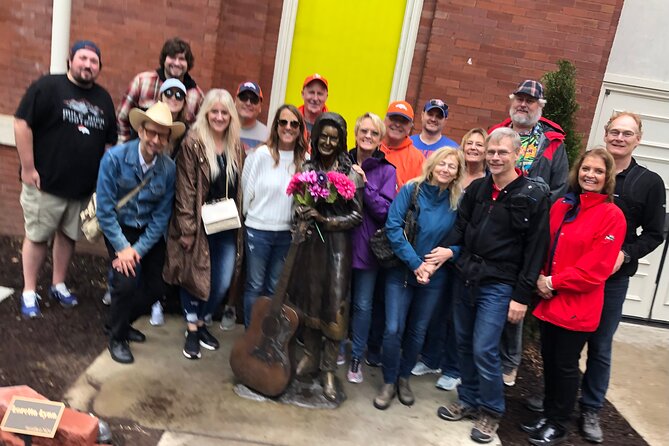
Stop one is The Hermitage Hotel, a landmark built in 1910 and known as Tennessee’s only 5-star hotel. It also comes with an impressive list of notable guests, including Charlie Chaplin, Enrico Caruso, JFK, Paul McCartney, and Dolly Parton.
Why this stop works on a walking tour: it reminds you Nashville wasn’t always just a few music clubs. Long before the tourist circuit, it was already a stop for major national figures, and that helps explain how the city gained status for hosting performers and decision-makers.
One practical note: the stop includes a short window (about 5 minutes), and admission is not included, so you’re mostly taking in the exterior and the story around the building. If you want to tour the hotel interior later, you can—just don’t count on it being part of your paid time here.
Woolworth Theatre: Sit-Ins and John Lewis’s Legacy
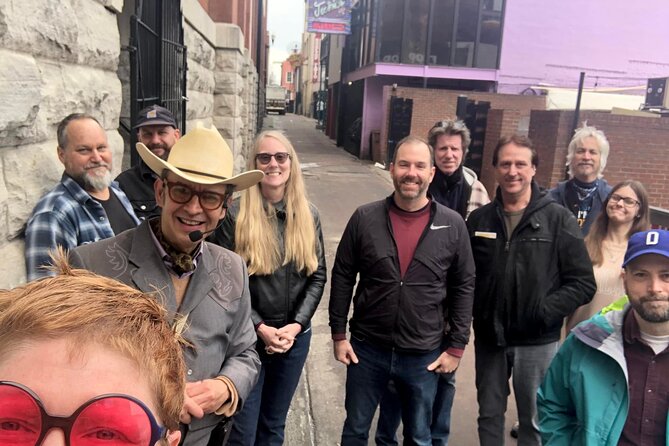
Next you’ll head to the Woolworth Theatre. This building opened in 1913, and it’s tied to the sit-ins movement in Nashville—connected to the freedom rider and advocate of good trouble: John Lewis.
It’s powerful because it places music downtown in the same frame as civic change. Nashville’s musical identity is real, but so is the struggle that shaped modern life there. You get a reminder that the city’s story isn’t only stage lights and guitars.
This stop is also brief (around 5 minutes) and admission is not included, so plan to treat it like a history moment on the sidewalk—then move on with the tour’s rhythm.
The Arcade and the Peanut Shop: A 1900s Time Capsule
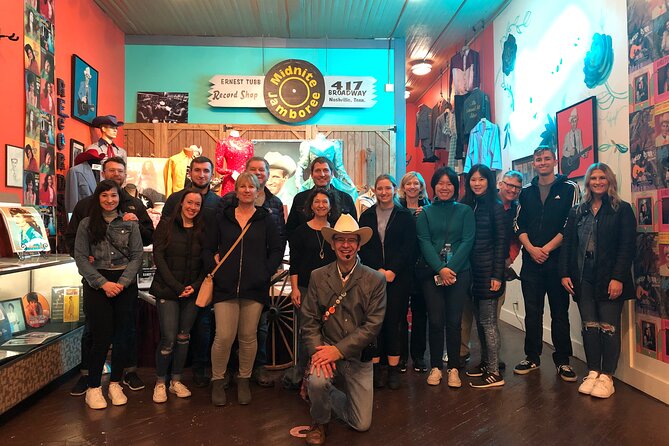
Then the route turns toward something more playful: The Arcade, described as Nashville’s oldest shopping mall built in 1902. You’ll spend about 10 minutes here, which is plenty time to get your bearings and soak up the old-school layout.
Inside the Arcade, you’ll visit The Peanut Shop, which opened in 1927 (originally Planter’s Peanuts). This is one of the oldest surviving downtown businesses, and the tour includes admission. The experience is fun in a simple way: it’s like stepping into a time capsule, and you get friendly service plus free samples.
This is one of my favorite “value” moments on the route because it’s short, it’s included, and it gives you something to do that doesn’t require lining up for a ticket you might not even use later.
You can also read our reviews of more city tours in Nashville





Printer’s Alley: From Red-Light District to Backstage Business
After the snack-and-shopping break, you head to Printer’s Alley, which gets a longer visit (about 15 minutes). This street has a layered past: it was once the heart of Nashville’s red light district, then later became a hub for music performance and backstage deals.
The most useful part of this stop is how the guide connects the location to actual music work. It’s not just the famous name-dropping. It’s the idea that Nashville’s creative engine depended on the “in-between” spaces—where deals got made, people got connected, and performers found their next lead.
The tour includes admission at this stop, so you’re not just peeking from the curb. Expect time to take in the atmosphere and the stories tied to famous performers, including Jimi Hendrix, Johnny Cash, and Tim McGraw (among others referenced in the tour).
Millennium Hotel Maxwell House: The Story Behind Good to the Last Drop
Stop six is Millennium Hotel Maxwell House Nashville, formerly the site of Nashville’s grandest hotel. This is a short stop (around 5 minutes), and admission is not included.
What makes it worth your attention is the explanation tied to the famous coffee phrase Good to the last drop. You’ll get the story behind why the slogan is associated with this place—one of those small-but-fascinating links that makes Nashville feel like it played a role in national culture, not just music.
Since tickets aren’t included, this is mostly about listening and noticing details in the setting.
Ryman Auditorium: The Opry’s Long Home
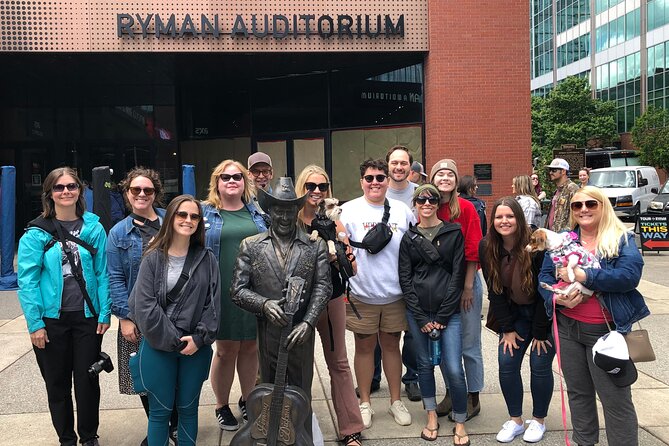
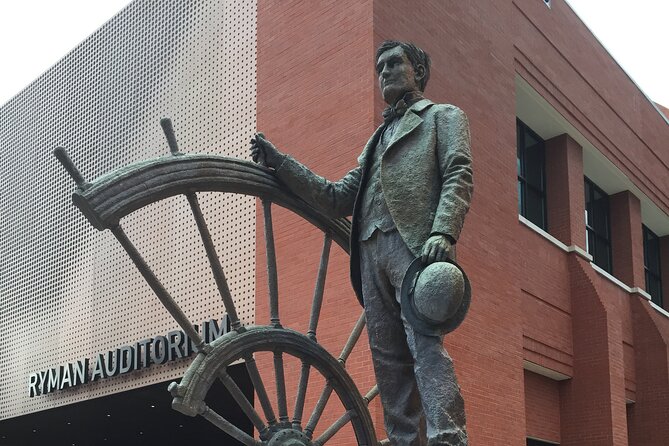
Now you reach Ryman Auditorium, the downtown “crown jewel” of the tour. You’ll spend about 20 minutes, which is good—this is one of the main photo stops and one of the most meaningful rooms in Nashville music lore.
The building’s origin story is part of the magic: it was built as the Union Gospel Tabernacle in 1892. It later served as the home of the Grand Ole Opry from 1943 to 1974. And the tour ties it to major performer stories, including references to Hank Williams, Johnny Cash, and Elvis Presley.
Because admission is not included, you’ll likely focus on the exterior and general experience during the time window. If you want to go inside and tour at depth, you’ll need a separate ticket plan.
Tip from a practical angle: even if you’re not going in, this stop can still be a “mental anchor.” After this, the rest of the route makes more sense.
Tootsies Orchid Lounge: The Honky-Tonk Where Songs Got Heard
Next up is Tootsies Orchid Lounge, Nashville’s famous honky-tonk. You’ll get about 10 minutes, and this stop includes admission.
The story here is songwriter-centered. The tour highlights the colorful den mother Tootsie Bess, plus the role the lounge played in giving early demos a platform—mentioning the jukebox introducing demos of songs like Hello Walls, Crazy, A-11, and Sunday Morning Coming Down.
This is one of those stops that changes how you think about nightlife. It’s not only a place to drink and listen. It’s part of the songwriting ecosystem—where something raw could become something real.
If you’re a music person, you’ll likely enjoy spending a bit of time just absorbing the vibe. And because admission is included, you’re not stuck deciding if it’s worth the money.
Country Music Hall of Fame and Museum: Your Music Library On Foot
Then you arrive at the big museum stop: the Country Music Hall of Fame and Museum. You’ll spend about 10 minutes here, but admission is not included.
This is the right place to pause in the route because it ties the rest of the walk together. The museum has a strong permanent collection and also ever-changing exhibits, so if you’re visiting Nashville with a little extra time, it’s the place to go deeper.
Since admission isn’t included, consider what you want from your day:
- If you’re museum-leaning, plan to buy tickets and extend your time after the tour ends.
- If you’re more streets-and-sounds, treat this stop like a conclusion and then pick your next move nearby.
Skull’s Rainbow Room: Legendary Nightlife and Famous Creators
Final stop in the downtown mix is Skull’s Rainbow Room, a legendary nightclub where artists like Willie Nelson, Roger Miller, Dolly Parton, and Andy Griffith have been hosted. The tour includes admission here too, with about 10 minutes to take in the place.
One detail that adds extra charm: Paul McCartney once wrote a song in the club. That’s the kind of fact that makes you stop and think about Nashville as a place where visiting artists connect, not just where locals perform.
Like Tootsies, this is a “you’re here” moment. You’re not only learning; you’re stepping into a room that has carried creative energy for decades.
What You’ll Get Most Days (and Who This Fits Best)
This tour does well if you want more than landmarks. It’s ideal for:
- First-timers who want downtown context fast
- Music fans who care about venues, songwriters, and backstage culture
- People who like history but prefer it tied to places you can still walk to
It’s less ideal if you’re only in Nashville for a tight checklist and you plan to spend most of your time inside museums and major attractions. Because several stops do not include admission, you may end up paying extra if you want every interior.
Still, the route is designed with smart pacing. You get a lot of meaningful stops without the day turning into a long slog.
Price Check: Why $40 Often Feels Fair
At $40, you’re paying for the guide’s time and for the fact that several stops include admission—not just window shopping. The included entries (like The Peanut Shop, Printer’s Alley, Tootsies Orchid Lounge, and Skull’s Rainbow Room) help justify the cost because you get experiences, not only explanations.
Then you also get the “cost saver” that’s harder to price: direction and interpretation. When you know the story behind a place, you enjoy it more later—whether that’s watching a show, choosing a lunch spot, or deciding what to visit next.
How to Make the Most of Your Morning
A little preparation makes the walk better:
- Wear walking shoes. Even at a relaxed pace, downtown adds up.
- Bring a light layer. Nashville can change its mind fast.
- Have your phone charged for the mobile ticket.
- If you’re hungry later, ask your guide for food ideas while you’re on the move—Bill’s style includes recommendations that help you pick without overthinking.
Also, try to keep your expectations aligned with the format: it’s built to connect the city through multiple stops, not to satisfy every museum craving in one go.
Should You Book the Music City Legends Tour?
Book it if you want a high-quality, guided downtown walk that links major landmarks—like the Ryman Auditorium and the Country Music Hall of Fame—with smaller, more specific places that make Nashville feel real. It’s especially good if you like stories that explain how this city turned from local talent to national music power.
Skip it only if you’re mainly looking for long museum time and you don’t want to think about extra tickets at stops where admission isn’t included. In that case, you might prefer a day built around indoor attractions.
If you’re trying to get your bearings and fall in love with the city’s music geography, this tour is one of the cleanest ways to do it.
FAQ
How long is the Walkin Nashville Music City Legends Tour?
It runs about 1 hour 30 minutes to 1 hour 50 minutes.
Where does the tour start and where does it end?
It starts at Union Street & Anne Dallas Dudley Boulevard and ends at the Country Music Hall of Fame and Museum.
What is the price per person?
The tour costs $40.00 per person.
Is the tour guided, and who leads it?
Yes, it’s guided. The experience provider is Bill DeMain, and the tour is offered in English.
Are attraction tickets included?
Some stops include admission, such as The Peanut Shop, Printer’s Alley, Tootsies Orchid Lounge, and Skull’s Rainbow Room. Other major locations like The Hermitage Hotel, Woolworth Theatre, Ryman Auditorium, and the Country Music Hall of Fame and Museum do not include admission.
What’s the cancellation policy?
You can cancel for a full refund up to 24 hours before the experience starts. If it’s canceled due to poor weather, you’ll be offered a different date or a full refund.