REVIEW · NASHVILLE
Downtown Nashville Guided Sightseeing Walking Tour
Book on Viator →Operated by Really Entertaining Tours · Bookable on Viator
Downtown Nashville has stories in every block. This guided 2-hour walking tour strings together honky-tonk legends, landmark streets, and big moments in American history, all on foot in central Nashville. You start near 5th and Broadway and follow a route that keeps shifting tone—from pre-Prohibition-style roots to the places tied to Andrew Jackson’s duels.
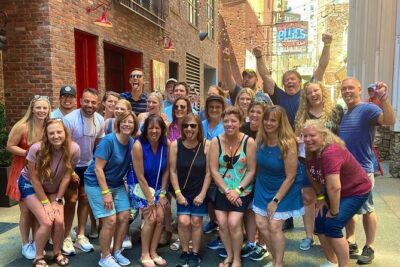
I especially like the fully narrated storytelling. It’s paced like an orientation walk, with humor and clear stop-by-stop context, so you leave knowing where the key names fit on the map. I also like the small-group feel, with a max of 20 people, which helps the guide keep the tour moving without losing you in the noise.
One consideration: the experience depends on the guide and timing. On a small number of tours, people reported lateness or a too-quick, debate-heavy style, so if you want strictly neutral commentary, it’s worth going in with that expectation in mind.
In This Review
- Key Things I’d Watch For on This Tour
- Why This 2-Hour Downtown Walk Feels Like a Nashville Cheat Code
- Start at 501 Broadway and Get Oriented the Easy Way
- Ryman Auditorium to Tootsie’s Orchid Lounge: The Music City Core
- Ernest Tubb Record Shop and the George Jones Stop: Music Through Specific Names
- Fort Nashborough, Cherokee Roots, and the River Trade at Riverfront Park
- Printer’s Alley and Skull’s Rainbow Room: The City’s Seedy Fun Side
- Woolworth on Fifth, Freedom Riders, and the Civil Rights Footprints
- Andrew Jackson at Public Square, Then the Capitol and a Church Worth Seeing
- Returning to the Ryman: A Full Circle Feeling
- Value, Pace, and What Makes the Best Tours Work
- Who This Tour Best Suits
- Should You Book Downtown Nashville Guided Sightseeing Walking Tour?
- FAQ
- How long is the Downtown Nashville Guided Sightseeing Walking Tour?
- Where does the tour start and where does it end?
- What is the price per person?
- What time does the tour begin?
- Is the tour narrated, and will I be able to hear the guide?
- How big is the group?
- What if weather is bad?
Key Things I’d Watch For on This Tour
- Local storytelling + clear landmarks tied to real Nashville names and places
- Small-group size (max 20) for better listening and flow
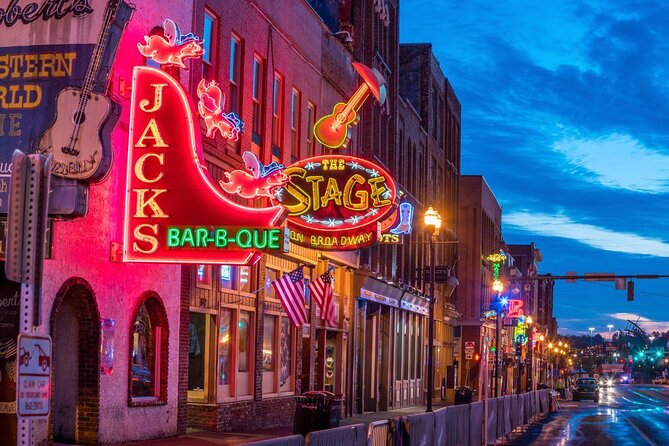
- Honky-tonk and music icons up close, from the Ryman to Tootsie’s
- History beyond Broadway, including civil rights sit-in sites and Andrew Jackson’s dueling past
- Easy-to-follow route focus in about 2 hours, not a marathon
- Hearing support noted by guests, including a mic/speaker setup with loud downtown streets
Why This 2-Hour Downtown Walk Feels Like a Nashville Cheat Code
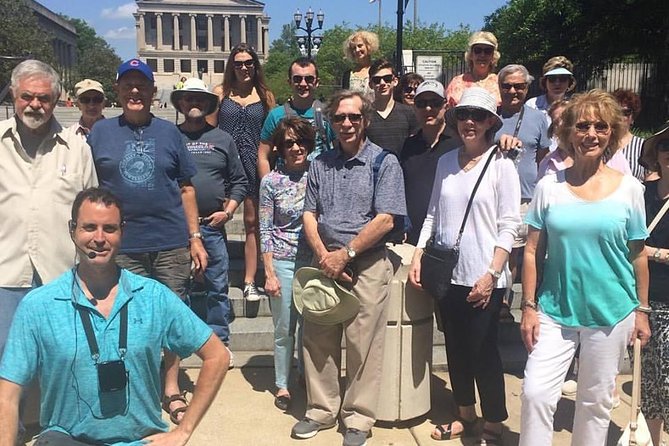
If Nashville is your first stop in Tennessee, you’ll appreciate how quickly this tour builds context. In about two hours, you get a guided “map in your head”: where the honky-tonk universe lives, where the music institutions sit, and where the heavier history is marked.
The best part is the mix. You’re not only chasing famous venues, and you’re not only hearing dates and dates. The route connects people and eras—country-music stages, the rowdy alley culture around Printer’s Alley, and the political flashpoints around Public Square and the Woolworth on Fifth area.
Price-wise, $25 per person makes sense because you’re buying a guided narrative, not just a stroll. At this length and format, it’s a good way to decide what to revisit on your own later—especially if you only have a day or two downtown.
You can also read our reviews of more walking tours in Nashville



Start at 501 Broadway and Get Oriented the Easy Way
The meeting point is 501 Broadway (10:00 am start). You’ll see the tour begin at the central Nashville core, so you don’t waste time figuring out where to start. The guide leads from the ground floor of downtown’s music-and-entertainment identity, where the streets feel like they were designed to funnel you from venue to venue.
This orientation matters more than it sounds. Nashville’s downtown can feel dense, loud, and slightly chaotic—especially along Broadway. Having a route laid out for you means you can focus on the story instead of constantly checking your phone.
The tour uses a mobile ticket, and it’s set up for a group to move together. That helps if you’re traveling solo or you don’t want to plan a DIY “stop list” across multiple neighborhoods.
Ryman Auditorium to Tootsie’s Orchid Lounge: The Music City Core
You’ll hit the Ryman Auditorium early, and that’s not an accident. The Ryman is often called the Mother Church of country music, and seeing it up front gives you a baseline for why people talk about Music City the way they do. From here, the tour moves you into the actual nightlife ecosystem that grew around these performance spaces.
Next comes Tootsie’s Orchid Lounge, billed as one of the world’s most famous honky-tonks. This is where the tour’s character really shows: you’re walking the same blocks that shaped the city’s late-night reputation, while the guide ties the venue’s identity to the wider honky-tonk history. It’s the kind of stop that makes Broadway make more sense—beyond neon and noise.
Tip for your feet: this isn’t a sit-down show. You’ll stand and walk through crowded sidewalk spaces, so wear shoes that can handle quick turns and short stretches. Guests also noted it can feel chilly when you’re in shade, so bring a light layer even in cooler months.
Ernest Tubb Record Shop and the George Jones Stop: Music Through Specific Names
A tour like this works because it doesn’t stay generic. When you stop at places tied to specific legends, Nashville becomes easier to remember.
At the Ernest Tubb Record Shop, the story connects the dots between classic country music and the Opry pipeline. You’re not only seeing a storefront; you’re learning why the place mattered enough to be remembered in song and film. This is a great stop if you want music context without needing a museum schedule.
Then you reach The George Jones. Even if you’re not a die-hard country scholar, George Jones lands with big energy—the tour leans into his legend status in a way that feels made for a walking conversation, not a lecture. The goal here is simple: make names stick by anchoring them to places you can point at.
Between major stops, the tour also nods to pop-culture Americana. One stop features a candy story—peanuts, caramel, chocolate, and the first combination candy bar sold in the United States. It’s the kind of odd, fun detail that keeps the tour from becoming predictable.
Fort Nashborough, Cherokee Roots, and the River Trade at Riverfront Park
This is where the tour widens its lens. After the honky-tonk and music stops, you move toward Fort Nashborough and the wider downtown river area.
At Fort Nashborough, you’ll hear a long timeline, including the fact that the Cherokee lived undisturbed for 8,000 years, followed by early Anglo settlement west of the Appalachians. The exact “turning point” details are part of the guide’s story, but the takeaway is clear: Nashville didn’t start as Broadway nightlife. It started as a much older crossroads with deep Indigenous presence and then early European-American settlement patterns.
You also get the Cumberland River angle, plus the view lines toward Tennessee Titans stadium and the downtown riverfront. Riverfront Park is mentioned as an area tied to booming river trade, which helps explain why this strip of geography became valuable in the first place. If you’ve ever wondered why cities cluster where they do, this part gives you a practical answer.
You can also read our reviews of more guided tours in Nashville






Printer’s Alley and Skull’s Rainbow Room: The City’s Seedy Fun Side
Printer’s Alley is one of those Nashville places you’ll hear about even if you don’t know much yet. Here, it’s framed as a scene where music legends moved through long before they were household names. The guide connects the alley’s reputation to artists like Jimi Hendrix and Johnny Cash, plus other big crossover names mentioned in the route.
Then you reach Skull’s Rainbow Room, which the tour treats like a living roll call of famous performers—Andy Griffith, Buck Owens, Johnny Cash, Bob Dylan, Paul McCartney, Tim McGraw, and more. Even if you don’t know every single name, the effect is the same: you start seeing Nashville’s downtown as a rehearsal space for greatness, not just a place for tourists to check off.
This section can be the rowdier-feeling part of the tour, but it’s still family friendly as a format. You’ll be hearing stories and walking past places tied to adult nightlife culture, not doing a bar crawl. The guide’s tone is key here; in strong tours, guests highlighted humor and a respectful approach.
Woolworth on Fifth, Freedom Riders, and the Civil Rights Footprints
Not all downtown walking tours make time for civil rights history. This one does, and it helps you understand why certain streets carry more than just entertainment value.
You’ll stop in the area described as connected to Woolworth on Fifth and the downtown art district’s role in the Civil Rights Sit-ins of the 1960s. The guide also references the Nashville Freedom Riders, tied to the idea that they refused unjust Jim Crow-era laws.
If you’re the type who likes to know the story behind a place, this portion is worth it. It turns Nashville from a music-only city into a place that forced difficult national change. You’ll come away with a better sense of why people build monuments, preserve sites, and keep retelling events.
Andrew Jackson at Public Square, Then the Capitol and a Church Worth Seeing
Next up is Nashville Public Square, where the tour shares stories about Andrew Jackson’s duels. This isn’t just a random history stop; it’s tied to the idea that Nashville’s identity includes conflict and power dynamics, not only entertainment and talent.
From there, you head toward major civic landmarks, including the Tennessee State Capitol. Even if you’ve seen capitol buildings before, the value here is the guided connection: you’re walking the story threads in a single route rather than jumping between unrelated attractions.
Then you finish at Downtown Presbyterian Church, which the tour highlights for its Egyptian Revival architecture—one of the only examples of this style you’ll see in the United States in a church setting. It’s a great closing note because it gives your eyes a different kind of “wow” after the honky-tonk and alleyway intensity.
Returning to the Ryman: A Full Circle Feeling
The tour loops back to Ryman Auditorium near the end. That return matters. It gives your brain a way to “file” everything you learned: the music institutions, the legends, and the broader downtown identity.
By the time you circle back, you’re ready to make smart choices for the rest of your visit. You’ll know which places you want to revisit for photos, which stories you’ll want to explore deeper on your own time, and where the neighborhoods feel different.
Value, Pace, and What Makes the Best Tours Work
At $25, you’re not paying for museum tickets or transport costs. You’re paying for a guide who can tie history and entertainment into a walk you can handle.
From the strong end of the experience, people consistently praised how guides kept a nice pace and used humor without losing clarity. One guide name that came up often was Ryan, with guests noting he was funny, respectful, and easy to hear thanks to a mic/speaker setup in a noisy downtown environment.
That “easy to hear” point is practical. Nashville sidewalks are loud, and you’ll be walking near music venues and crowds. A guide amplification setup helps you follow the story without needing to guess.
Possible drawback: timing and style. A small number of reports mention late starts or guides talking fast, which can make it harder to ask questions until later. If you want slower pacing or mostly neutral commentary, pick your questions carefully and be ready to ask early.
Group size is part of the value equation, too. With up to 20 travelers, you’re still a manageable crowd, which helps the guide keep momentum.
Who This Tour Best Suits
This tour is a strong fit if you want:
- A first-day orientation to downtown Nashville
- A mix of music icons and real historical context
- A walking plan that helps you decide what to revisit later
- A family friendly guided experience that doesn’t require you to bar-hop
It’s also a good choice if you don’t want to spend your precious time building an itinerary. The route covers a lot of recognizable “Nashville” without feeling like a nonstop sprint.
Should You Book Downtown Nashville Guided Sightseeing Walking Tour?
I’d book it if you want downtown to make sense fast. For $25, you get a guided narrative that hits headline venues like the Ryman and Tootsie’s, then adds depth with places tied to civil rights and Andrew Jackson’s dueling stories. It’s the kind of tour that helps you stop treating Nashville like a single street of bars and start seeing it as a layered city.
I’d think twice if you’re sensitive to personality-driven guiding. If you dislike political commentary or you need a slower pace with lots of time to ask questions, plan to be a little proactive with your questions and don’t expect a perfectly calm, strictly factual tone every time.
FAQ
How long is the Downtown Nashville Guided Sightseeing Walking Tour?
It lasts about 2 hours.
Where does the tour start and where does it end?
It starts at 501 Broadway, Nashville, TN 37203 and ends back at the meeting point.
What is the price per person?
The price is $25.00 per person.
What time does the tour begin?
The listed start time is 10:00 am.
Is the tour narrated, and will I be able to hear the guide?
Yes, it’s a fully narrated walking tour with a local guide. Guests noted that guides can use a mic/speaker setup so you can hear over downtown noise.
How big is the group?
The tour has a maximum of 20 travelers, and it requires at least 6 people to run.
What if weather is bad?
The tour requires good weather. If it’s canceled due to poor weather, you’ll be offered a different date or a full refund. You’re also asked to include a cell phone number for text updates about changes.