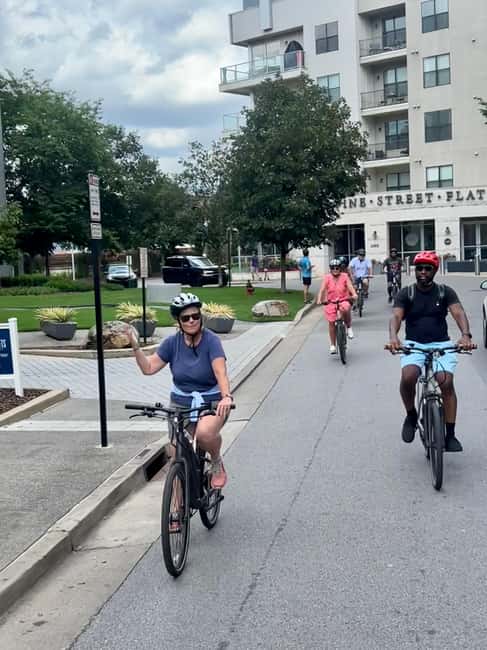
Some cities are best on foot. Nashville? On an e-bike. You’ll glide through downtown and historic areas with a local guide who connects what you see—like Broadway and the Walk of Fame—to the people and moments that shaped the city.
I especially like how this tour mixes big-name stops with quieter, story-driven places. You don’t just roll past buildings; you learn why spots like Frankie Pierce Park matter, and you get a photo-ready break on the John Seigenthaler Pedestrian Bridge with skyline views over the Cumberland River.
One thing to consider: you’ll be riding for about 2.5 hours and the tour requires you to be able to handle a bike comfortably, so it’s not a great match if you have back issues or you’re not a confident rider.
In This Review
- Key highlights worth planning for
- Why an E-Bike Is the Best Way to See More Nashville
- Meeting at 1305 Clinton St: Setup, Gear, and a Realistic Start
- Capitol View and Frankie Pierce Park: Rail Yards to Civil Rights Stories
- The Gulch and Music City Center: Where Downtown Gets Its Speed Back
- Country Music Hall of Fame, Walk of Fame, and the Skyline From the Bridge
- Lower Broadway and Printer’s Alley: The Fun Part With a Side of Past
- Public Square Park, Germantown, and the “Local Nashville” Feel
- Marathon Village, Nashville Farmers’ Market, and Keeping the Pace Real
- Bicentennial Capitol Mall State Park: Your Final Big View
- Price and Value: Is $97 Worth 150 Minutes?
- Guides, Safety, and What You’ll Notice More Than You Think
- What to Bring, What to Avoid, and Who Should Skip It
- Should You Book This E-Bike Tour?
- FAQ
- How long is Nashville’s e-bike tour?
- What does it cost?
- Where is the meeting point?
- What’s included with the tour?
- Is hotel pickup or drop-off included?
- How big is the group?
- What should I bring?
- Is smoking allowed?
- Is this tour suitable for children or people with back problems?
Key highlights worth planning for
- Small-group limit of 10 keeps the pace friendly and questions easy.
- Premium electric bikes make the route feel doable even on warmer days.
- Frankie Pierce Park civil rights stories give you context beyond the usual Nashville talking points.
- Photo stops timed into the route, including the skyline view from the John Seigenthaler Bridge.
- A guide who focuses on safety in downtown traffic, not just narration.
- Stops like Printer’s Alley and Germantown add variety beyond Broadway.
Why an E-Bike Is the Best Way to See More Nashville
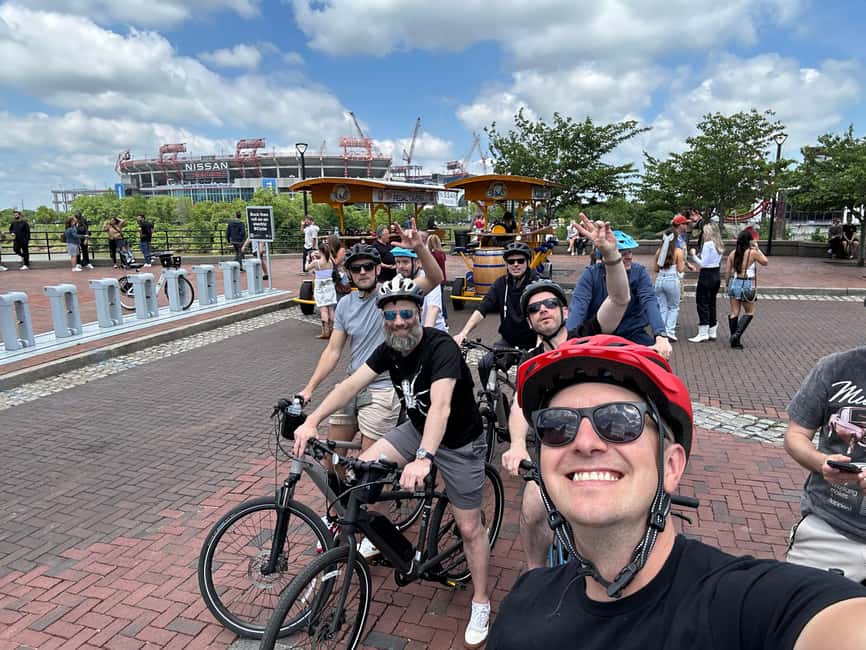
Nashville rewards curiosity, but it also punishes slow sightseeing. Downtown can be spread out, and the “I’ll just walk to the next thing” plan turns into sore legs and missed views. This e-bike format fixes that. You get the movement of biking, the comfort of electric assist, and the freedom to stop for photos without losing half your day.
The other win is storytelling with structure. You’ll hit familiar icons—Broadway, the Walk of Fame, Music City Center—and also get less-expected context, including civil rights history tied to local landmarks. It’s sightseeing that explains the why, not just the what.
You do need basic biking ability and comfort being out for 150 minutes. If you’re expecting a totally chill, minimal-effort experience, this isn’t that. But if you’re willing to ride and follow your guide’s pacing, the tour feels like a smart shortcut through the city.
You can also read our reviews of more cycling tours in Nashville


Meeting at 1305 Clinton St: Setup, Gear, and a Realistic Start
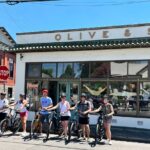
You meet at 1305 Clinton St, where the e-bikes and your guide line up at the entrance. The tour includes an e-bike rental and a helmet, which is one less thing you have to worry about when you’re traveling. You also get bottled water, which helps because this is a downtown route with plenty of sun and “stop-and-go” moments.
Before you roll far, you’ll get a safety briefing. One of the strengths of this tour is that the guide’s job isn’t only to talk—it’s to keep the group feeling steady moving through busier streets. In a couple of departures, guides were specifically praised for making riders feel safe while navigating downtown traffic.
Bring what actually helps: comfortable shoes, sunscreen, and a camera. This is the kind of tour where you’ll want to grab skyline photos, plus quick shots at landmarks and photo stops.
Capitol View and Frankie Pierce Park: Rail Yards to Civil Rights Stories
The tour starts by placing you in a part of Nashville that shows how the city changes. You begin in the Capitol View area, where old rail yards and warehouses have turned into modern shops and restaurants. That shift matters. Nashville didn’t just build new attractions—it repurposed space and rewired neighborhoods around new uses.
Then you move to Frankie Pierce Park, and this is where the tour earns its keep. The guide shares the story behind the park’s namesake—Frankie Pierce, identified here as a civil rights pioneer you may not already know. You’ll come away understanding that Nashville’s history isn’t only about music and nightlife. It’s also about the people who fought for rights and made space for progress.
Practical takeaway: these early stops set the tone. You’ll learn what to notice as you ride—who built the city’s identity, what changed, and how those changes show up in streets, buildings, and public spaces.
The Gulch and Music City Center: Where Downtown Gets Its Speed Back
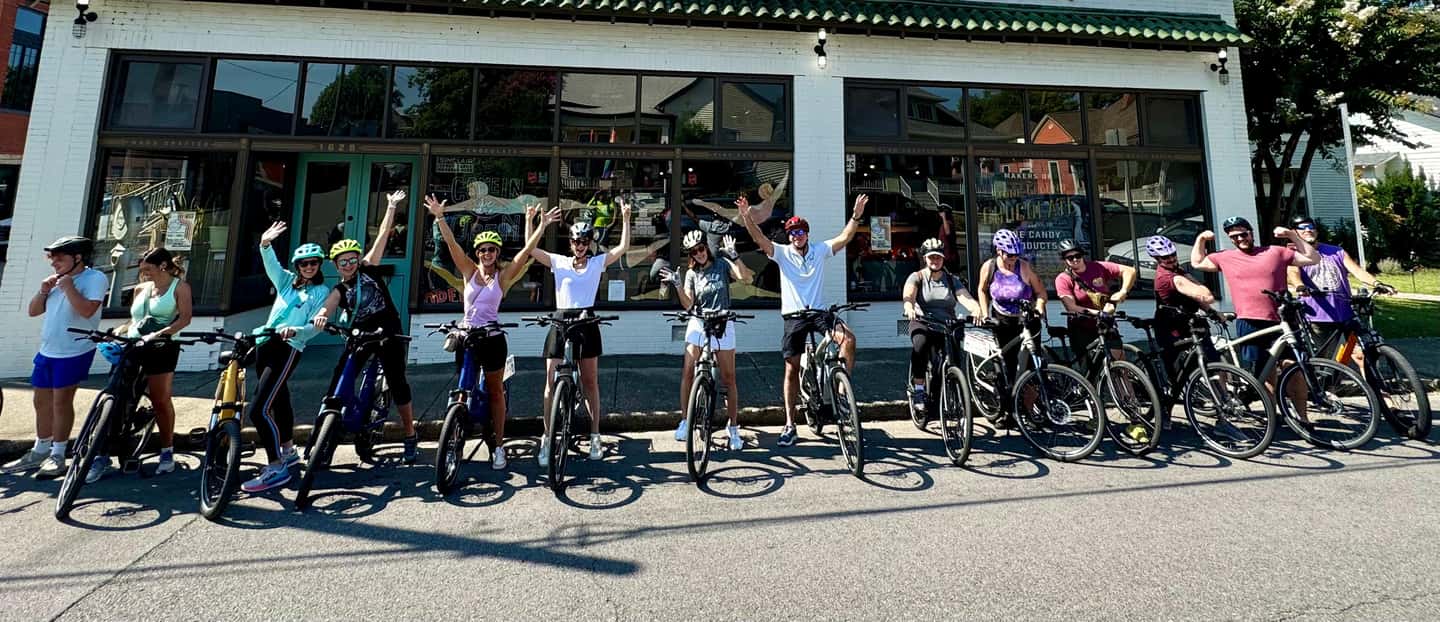
After the opening context, you roll into the Gulch. You’ll make at least one photo stop here, and the guide explains how it used to be an industrial zone before it became a trend-forward area packed with energy.
If you like modern architecture and street-level personality, this section hits. It’s also a good “breather” zone because you can enjoy the view while the bike does the work.
Next up is Music City Center, described as an architectural marvel. You’ll pause to take it in, and the guide’s framing helps you connect the building to the city’s bigger role as a convention and gathering hub, not just a stage for performers.
If you’re the type who plans where to eat later, this part of the tour is useful too. One review highlighted that the guide shared restaurant recommendations—exactly the kind of advice that saves you time once you’re off the bike.
Country Music Hall of Fame, Walk of Fame, and the Skyline From the Bridge
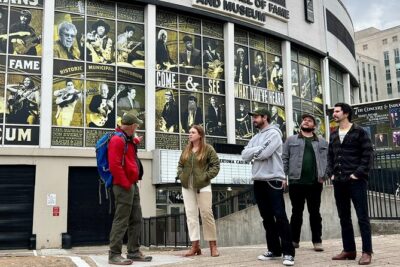
You’ll cruise through the area around the Country Music Hall of Fame and the Walk of Fame. These are the classic Nashville stops, but the difference here is that you’re not only ticking boxes. Your guide gives you context about the legends who made Nashville a global music capital.
Then you hit one of the most important photo moments of the ride: the John Seigenthaler Pedestrian Bridge. This is a rare chance to get skyline photos without needing a perfect angle or a special viewpoint ticket. You’re up high, you’re crossing a key river feature, and you get a reminder that the Cumberland River played a role in Nashville’s growth and shape.
Practical takeaway: treat this as your “get the big picture” stop. If your camera battery is low, charge it before you arrive here. The view is the kind you’ll want to recreate later in your photos folder.
You can also read our reviews of more tours and experiences in Nashville



Lower Broadway and Printer’s Alley: The Fun Part With a Side of Past
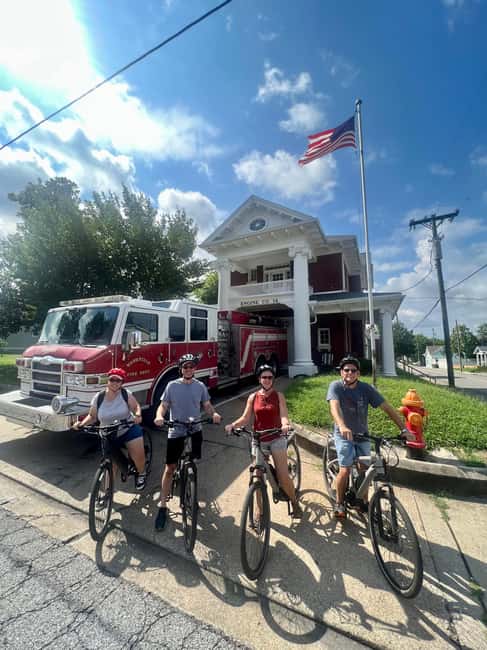
Now you get to the Nashville that people come for. Your route passes Lower Broadway, with its bright lights and honky-tonk energy. You’ll hear how Broadway became a rite of passage for country stars and a nonstop draw for visitors—so when you see the signage and crowds, you’ll understand why the strip works the way it does.
Then comes Printer’s Alley, and it’s a great contrast. It’s narrower, more intense, and historically linked to bootleggers, jazz clubs, and hidden nightlife. Even if you’ve heard of Broadway, Printer’s Alley gives you a different mood: the feeling of older downtown life running parallel to the current show.
You’ll stop for photos here, which helps because the alley’s tight layout can make it hard to improvise angles while you’re also riding. Let the guide position the group, then take your shots.
Public Square Park, Germantown, and the “Local Nashville” Feel
After the loud-and-proud areas, the tour shifts toward neighborhoods with a slower pace. You’ll pass through Public Square Park and talk about Nashville’s government center. This section gives you a sense of how the city’s civic identity sits right alongside the entertainment.
Then you roll into Germantown, where the tour focuses on history and locally owned businesses. This isn’t about getting another photo for your feed. It’s more about noticing the texture: smaller streets, neighborhood character, and the kind of places you’d miss if you only stayed in downtown’s spotlight.
One reason I like including neighborhoods like Germantown in a short tour: it balances your perspective. If all you see is the music industry surface, Nashville starts to feel like a theme park. Germantown gives you the “people live here” reality.
Marathon Village, Nashville Farmers’ Market, and Keeping the Pace Real
Your ride also includes time around Marathon Village and a sightseeing stop connected to the Nashville Farmers’ Market area. These are great inserts because they change the vibe without breaking the flow of the tour.
Also, this is where pacing matters. The tour includes multiple short breaks and photo stops, plus a longer bike time window overall. The effect is that you’re never waiting around for long stretches, but you also aren’t stuck only moving. On a hot day, that balance is everything.
One review specifically praised the pace on a hot day and called out how fun the tour felt. That matters because an e-bike can make you think every minute is easy—but the real comfort comes from how the guide times stops and keeps the group moving together.
Bicentennial Capitol Mall State Park: Your Final Big View
You end (or wrap up very close to it) at Bicentennial Capitol Mall State Park, with a break time for about 15 minutes. This is one of the best “finish strong” locations in the city because it’s both scenic and story-heavy.
Here’s what you’ll notice:
- A giant granite map of Tennessee, which makes a great photo even if you’re not a museum person.
- War memorials, with a solemn tone that contrasts nicely with the earlier entertainment spots.
- Strong views of the Tennessee State Capitol, so you get a sense of the city’s civic center at the end of the ride.
If you’re trying to decide whether this tour is worth the time, this last stop helps answer it. It gives you a meaningful payoff rather than just returning you to the starting point.
Price and Value: Is $97 Worth 150 Minutes?
At $97 per person for 150 minutes, you’re paying for three things: a guide, an e-bike, and a planned route with stops. You’re not paying for a car, and you’re not paying separately for an e-bike rental or a helmet. That’s important in Nashville, where getting around efficiently can become its own cost.
The value also shows up in the group size. With a small group limited to 10 participants, you get enough attention from the guide to feel safe and informed, without a “you’re one of 40” vibe. One review called out that the guide was very informative and that the group felt safe.
The tour doesn’t include meals, so plan for food on your own. But you’ll likely get restaurant ideas along the way, and you’ll be positioned downtown so you can eat without an extra transit plan.
Guides, Safety, and What You’ll Notice More Than You Think
This tour stands or falls on the guide’s ability to manage both movement and meaning. In the reviews connected to this experience, Carlos was praised for being informative and for making people feel safe while riding through downtown traffic. Justin was also highlighted as knowledgeable about Nashville and helpful with restaurant recommendations.
What does that mean for you? It means you can focus on enjoying the ride instead of constantly scanning the street on your own. Your guide’s job is to keep the group together and to explain what you’re seeing in a way that makes the city feel connected rather than random.
Also, the “you’ll learn local stories” promise isn’t generic here. The Frankie Pierce Park stop is a specific example. You’re not only hearing about the famous music culture; you’re hearing about civil rights history and the local significance behind it.
What to Bring, What to Avoid, and Who Should Skip It
You’ll want:
- Comfortable clothing and shoes
- Camera
- Sunscreen
- Water (even though bottled water is provided, extra never hurts)
You should avoid:
- Smoking during the tour (it’s not allowed)
And you should not plan this tour if:
- You’re under 14 years old
- You have back problems
- You can’t ride a bike comfortably
This is not a “sit back and cruise” ride. You’ll be actively biking, even with electric assist, and your comfort level matters.
Should You Book This E-Bike Tour?
Book it if you want the most efficient way to see Nashville’s biggest downtown landmarks plus a couple of streets and neighborhoods that add context. It’s ideal for first-time visitors who want more than a Broadway walk-through. It’s also a solid option for repeat visitors who feel like they’ve seen the famous photos but want stories that connect the dots.
Skip it if you’re not comfortable biking for about 2.5 hours, or if your body isn’t up for riding even with an e-bike.
If you do book it, I’d suggest one simple strategy: pack your camera, wear sunscreen, and go in expecting a guided route with multiple short stops. You’ll get more out of it if you treat it like a moving lecture with great scenery—plus some very good photo opportunities.
FAQ
How long is Nashville’s e-bike tour?
The tour lasts 150 minutes (about 2.5 hours).
What does it cost?
It costs $97 per person.
Where is the meeting point?
You meet in front of the entrance at 1305 Clinton St.
What’s included with the tour?
The tour includes e-bike rental, helmet, a local guide, and bottled water.
Is hotel pickup or drop-off included?
No. Hotel pickup and drop-off are not included.
How big is the group?
The tour is a small group, limited to 10 participants.
What should I bring?
Bring comfortable shoes, a camera, sunscreen, and water.
Is smoking allowed?
No. Smoking is not allowed during the tour.
Is this tour suitable for children or people with back problems?
No. It’s not suitable for children under 14 and it’s also not suitable for people with back problems or anyone who can’t ride a bike.