REVIEW · NASHVILLE
Nashville’s Historic Electric Bike Tour
Book on Viator →Operated by Wander Nashville · Bookable on Viator
One of Nashville’s best short adventures is on electric wheels. You’ll trace the city’s music story from Music Row to Lower Broadway, then loop through spots like Printer’s Alley and the Capitol views. It’s a way to see more than downtown on foot, without turning the trip into a full-day bike saga.
I love how the tour mixes big-name sights with practical storytelling. You also get clear route-time help through a personal listening device, and you’ll get plenty of time to ask questions while rolling past landmarks like Bridgestone Arena and Nissan Stadium.
One thing to plan for: this is traffic-and-stops riding. Even with powerful e-bikes, you need to feel comfortable mounting, dismounting, and operating the bike (sometimes without pedal assist), plus you should be ready for noise that can make the guide audio harder at busy road crossings.
In This Review
- Quick hits before you roll
- Electric Bikes Make Nashville’s Music Stops Actually Fit in 2 Hours
- Where You Start in Downtown and What Setup Feels Like
- Riding Rules You Should Take Seriously Before Booking
- Downtown Nashville: The Route Starts With Getting Your Bearings
- Music Row: Studios, Legends, and Why the Neighborhood Matters
- Lower Broadway’s Honky-Tonk Highway: Live Music Culture in a Tight Strip
- The Purple Hue Honky-Tonk and the Opry Stage Connection
- Printer’s Alley and Marathon Village: When History Looks Like a Backstreet
- The Gulch, Union Station, and Capitol Mall Views You’ll Want to Photograph
- Nissan Stadium, Bridgestone Arena, and the Major Music Museums
- RCA Studio B and the Second Music Row Pass for One Clear Takeaway
- How the 2-Hour Timing Really Works on the Street
- Price and Value: Is $69.99 a Good Deal?
- Who This Nashville Historic Electric Bike Tour Fits Best
- Should You Book This Tour?
- FAQ
- How long is the Nashville Historic Electric Bike Tour?
- What does the tour cost?
- Where does the tour start and end?
- Is a helmet provided?
- Do I hear the guide while riding?
- Are tickets and admission included for all stops?
- How big is the group?
- Is the tour offered in English?
- What if the weather is bad?
- What is the cancellation window for a full refund?
- Who might not be allowed to ride the e-bike?
Quick hits before you roll
- E-bike + audio guide help: helmet listening keeps the story going while you move.
- Music Row first, Lower Broadway next: you get both the studio side and the nightlife strip.
- Real local neighborhoods: Printer’s Alley, Marathon Village, and the Gulch are more than postcard stops.
- Iconic photo moments: Union Station, the angle-wing art in the Gulch, and Capitol Mall viewpoints.
- Big venues and major music museums: Bridgestone, Nissan, and the Country Music Hall of Fame area.
- Small group size: max 12 riders makes it easier to stay together.
Electric Bikes Make Nashville’s Music Stops Actually Fit in 2 Hours
Nashville can feel wide open on a map, but tight in reality. This tour solves that by letting you cover distance fast, while still getting the sights you’d normally chase by rideshare one by one. In about two hours, you’ll hit a route that connects the music industry, live-music districts, and a handful of major landmarks that most first-timers rush past.
What makes the idea work is the pacing. You ride the short stretches, then your guide brings you into the details—why a street corner matters, how a neighborhood changed, and what you’re actually seeing when you pass famous venues. If you’re the type who likes a plan but hates feeling herded, the small-group setup helps a lot.
The other smart part: this tour uses e-bikes so you’re not fighting the hills with your legs. You still pedal when needed, but the bike helps you keep the ride comfortable enough to enjoy the stops.
You can also read our reviews of more cycling tours in Nashville


Where You Start in Downtown and What Setup Feels Like
The meeting point is 144 5th Ave N in Nashville. The tour ends back at the same spot, which keeps your logistics simple. When you arrive, you’ll get your equipment and a quick orientation before you roll out.
Here’s what you’ll have in hand:
- Bicycle
- Helmet and safety vest
- Personal listening device
- A radio-like setup so you can hear directions and commentary while riding
In practice, the listening device is a big deal. A lot of bike tours rely on you hearing the guide only when you stop. This one keeps the narration going as you ride, so you get more story per minute and fewer “wait, what street is that?” moments.
If you’re sensitive to noise, note that street traffic can make audio harder to catch at times. The bike setup still helps, but you’ll do best if you’re okay with turning your head a bit at louder intersections.
Riding Rules You Should Take Seriously Before Booking
This tour is for people who can safely ride an adult-sized electric bike without getting stuck. You need to be able to:
- safely mount and dismount
- walk with the bike if required
- reach the pedals
- operate the bike, including powering when the situation calls for it (sometimes without pedal assist)
There are also clear restrictions. It’s not offered for people who are pregnant, have limitations or disabilities that prevent safe e-bike operation, weigh over 350 lbs, or appear intoxicated. You also need to sign the required waiver with valid ID.
None of this is meant to scare you. It’s just the reality of a guided street ride in active traffic. If you’re nervous about bike handling, it’s worth reaching out before you book so the team can confirm you’ll be comfortable with the setup.
Downtown Nashville: The Route Starts With Getting Your Bearings
Your first stop starts in Downtown Nashville. This is where you’ll get the full “how the ride works” moment—where to look, how to handle slowdowns, and how the group will move through traffic. You’ll also get a chance to settle into the bike before the tour swings into the more famous districts.
Even if you’ve visited once before, Downtown is a good launchpad because it sets the pattern: short ride segments, quick landmark storytelling, and just enough time at each stop to take photos without losing the group rhythm.
Think of this as your warm-up stretch. The ride is light exercise rather than a workout, but you should still be ready to pay attention.
Music Row: Studios, Legends, and Why the Neighborhood Matters
Next you roll into Music Row, the neighborhood that put Nashville’s recording machine on the map. This isn’t just “nice streets and buildings.” It’s the business side of the music world: studios, record labels, management offices, and the support industries that turn songs into releases.
As you ride, your guide ties the neighborhood to famous names associated with recordings—everything from early icons to modern chart artists. You’ll also see where that industry energy shaped the city’s identity.
What I like here: you get the sense that Nashville’s story isn’t only about performers. It’s about systems: who records, who publishes, and how the sound gets made. That makes the later live-music stops hit harder, because you understand what’s being created in the studio world you just passed.
A small caution: Music Row can be busy and photo angles might be limited depending on where the group is stopped and how traffic is moving. Go with the flow and keep your camera ready, not constant.
You can also read our reviews of more historical tours in Nashville





Lower Broadway’s Honky-Tonk Highway: Live Music Culture in a Tight Strip

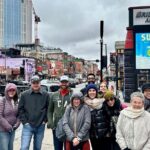
Then comes the part many people picture when they think Nashville: Honky-tonk Lower Broadway. You’ll pass a dense stretch of venues often referred to as a five-block live-music strip. The vibe runs early and late—your guide sets the context for why locals and visitors pack in for drinks, dancing, and nonstop music.
Along the way, you’ll pass a lineup of famous venues, including Ole Red, Luke’s 32 Bridge, Acme Feed and Seed, Hard Rock Cafe, Robert’s Western World, and more. It’s a lot to take in, but that’s the point. This is where Nashville feels loud, casual, and full of momentum.
One of the smartest parts of this tour is that you’re not just seeing venues—you’re learning what kind of place they are. Some are about the stage history, some are about the crowd energy, and some are about how artists build reputations while performing night after night.
The Purple Hue Honky-Tonk and the Opry Stage Connection

Lower Broadway has a “legend” factor, and your route includes an iconic purple-hued honky-tonk with a long line of performers passing through over the decades. Even without stepping inside a building, you’ll get the story of why this type of venue matters to aspiring artists: it’s a proving ground.
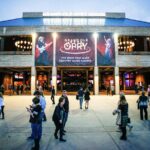
From there, the tour shifts toward the Grand Ole Opry, often called the Mother Church of Country Music. This is a major landmark in American music, and your guide frames it as a National Historic Landmark and a key sight for major music hall-of-fame style recognition.
Why this stop adds value: it turns the city’s nightlife into a full arc. You’re not only having fun. You’re also seeing where country’s “big stage” reputation came from—and how the live scene links back to Nashville’s larger music machine.
Printer’s Alley and Marathon Village: When History Looks Like a Backstreet
Now you move into two areas that feel more local, even though they’re tied to big names.
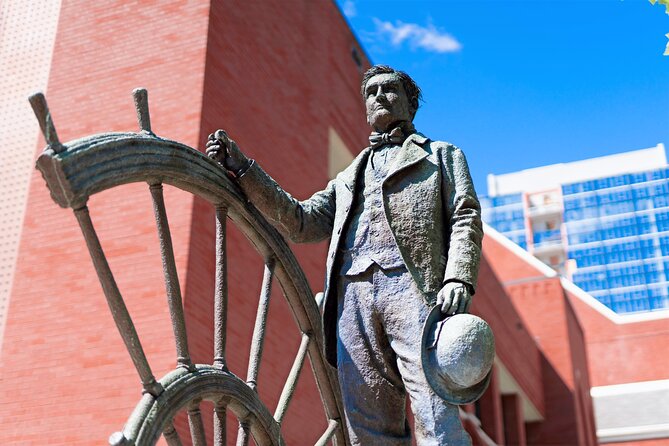
Printer’s Alley is described as Nashville’s original live entertainment neighborhood, with roots that stretch through speakeasies and blue bars, and even earlier, unexpected uses like gun ranges. The energy is still “night out,” but the alley format makes it feel like you found a hidden pocket—short, sharp, and packed with character. Your guide also connects the area to performers you recognize from music and film history.
Then you hit Marathon Village, a former 20th-century vehicle manufacturing factory. The industrial shell became a cluster of crafts, artists, vendors, and boutique shops. Depending on how the group lines up, you’ll pass familiar brand-style stops like the Jack Daniels Store and Nelson’s Greenbrier Distillery, plus the kind of shops that make Nashville feel like a place to wander even between big attractions.
Potential drawback to keep in mind: both areas are smaller and more street-level. If you’re focused on getting the “perfect” photo, you may need to accept crowd timing and street angles. The tour keeps the movement going, so you might not linger as long as you would solo.
The Gulch, Union Station, and Capitol Mall Views You’ll Want to Photograph
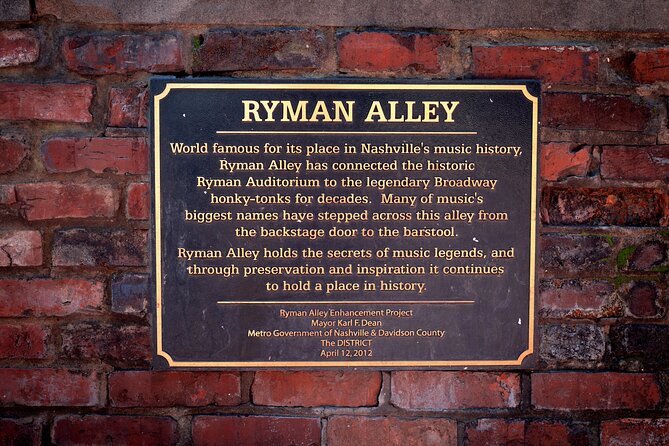
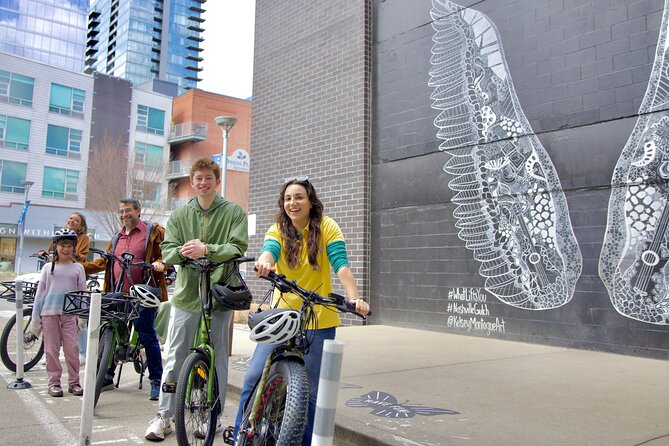
The tour continues into The Gulch, Nashville’s fastest-growing high-end neighborhood. The guide frames it as a modern contrast to the older music districts. You’ll also get photo opportunities linked to Nashville’s public art, including the angel wings artwork by Kelsey Montague (the tour notes that crowd, weather, and availability can affect whether you get the cleanest shot).
Your route also connects to Station Inn and the restored exterior of Union Station. Union Station is one of those places where the architecture does a lot of work for you. Even if you don’t go inside, seeing the restored building from the street feels like stepping into a different chapter of the city.
Next comes Bicentennial Capitol Mall State Park and the Capitol area. This is a prime photo stop, and the tour includes time around the Greek-revival-style capitol building area. You’ll also get the chance for a panoramic view of Downtown Nashville and a quick skim near Vanderbilt University—the iron-fenced, magnolia-lined campus is part of Nashville’s recognizable campus look.
What I like here: this is where the tour balances music with skyline geography. You stop being a “music tourist” for a minute and get a sense of how Nashville’s layout affects how neighborhoods grow.
Nissan Stadium, Bridgestone Arena, and the Major Music Museums
Sports fans get their moments too. You’ll pass Nissan Stadium (home of the Tennessee Titans) and Bridgestone Arena (home of the Nashville Predators). These stops are more about recognizing scale and energy than about touring interiors, but the city feel changes when you realize how many major events Nashville can handle.
Then the tour includes stops around big music institutions:
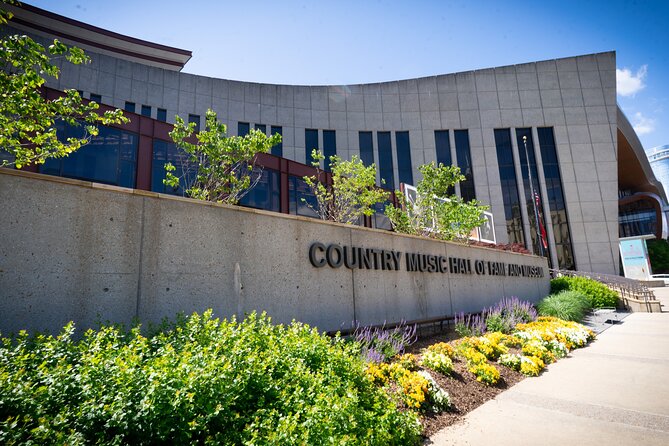
- Country Music Hall of Fame and Museum
- Musicians Hall of Fame and Museum
- Municipal Auditorium (a famous venue that has hosted major touring artists and awards shows)
Even if you don’t buy museum tickets on the spot, passing them with guide context helps. You understand why Nashville is treated as a music capital at a national and even international level.
Practical note: museum areas often involve traffic and pedestrian management. Keep your situational awareness high and listen for your guide’s cues for where the group will cross and stop.
RCA Studio B and the Second Music Row Pass for One Clear Takeaway
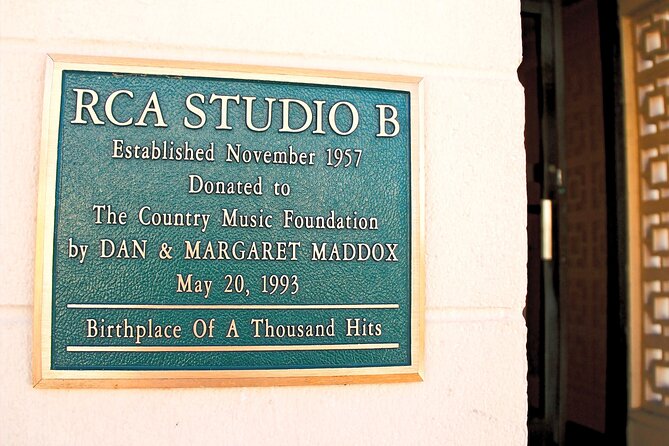
The route loops back toward Nashville’s recording roots with a stop at RCA Studio B. Built in 1957, it became known as the birthplace of the Nashville Sound—especially tied to the blend of background vocals and strings that helped shape Nashville’s international recording identity. The tour time here is a snapshot of how studio craftsmanship built the city’s brand.
Your ticket details matter: RCA Studio B admission is not included, so if you want to do an official interior visit, you’d need to plan separately. In contrast, the itinerary includes admission included at Music Row later on, and your guide will help you make sense of what you’re looking at while you’re there.
Why the second Music Row pass is useful: you’re not just repeating the route. You’re reinforcing the message. After Lower Broadway and the Opry connection, the “business of sound” makes more sense—and you can see how performer stages and studio walls feed each other.
How the 2-Hour Timing Really Works on the Street
This experience runs about two hours on average. The schedule includes roughly:
- around 1 hour and 40 minutes of touring
- 10 minutes of orientation
- 10 minutes of intermission
The exact length can vary with traffic, group size, and weather. The tour notes that it can start a few minutes before or after the scheduled time, based on real-world timing.
My advice for your day plan: treat this as a main activity block. Keep a buffer afterward for lunch or grabbing a drink, because you’ll probably still be in “let’s explore more music stuff” mode once you’re back.
Price and Value: Is $69.99 a Good Deal?
At $69.99 per person for about two hours, this tour is priced for serious convenience.
Here’s what you get that supports the cost:
- an e-bike (not a rental you manage on your own)
- helmet and safety vest
- a personal listening device so you get narration while moving
- access to exclusive discounts for additional tours and attractions
- a tight route that connects major districts without you paying for multiple Ubers
If you were trying to stitch together the same set of stops independently, you’d likely spend money on transportation, plus you’d spend time figuring out what to see first. The guide’s job is to connect the dots quickly, and that saves your time.
So the value depends on your travel style. If you like organized context and want a lot of Nashville in a short window, this feels like a good use of your time. If you want long, slow museum visits, you may feel a bit rushed—and you might prefer standalone visits.
Who This Nashville Historic Electric Bike Tour Fits Best
This tour is a strong match for:
- first-time Nashville visitors who want more than Broadway
- people who like both the studio side and the live-music side
- sports fans who want to see arenas in the same loop as music landmarks
- groups of friends or couples who enjoy moving together on a schedule
It’s not the best fit if:
- you’re unsure you can safely operate the bike in traffic
- your mobility limits you from mounting, dismounting, and walking the bike
- you’re looking for a slow stroll with long stops at each major venue
- you don’t like street riding in busy areas, even with e-bike help
Should You Book This Tour?
I’d book it if you want a smart, fast way to understand Nashville’s music geography without spending your day hopping between neighborhoods. The combination of music industry landmarks, honky-tonk culture, major venues, and museum-zone stops makes the route feel purposeful for a short time frame.
Skip it (or ask a lot of questions first) if your main goal is a deep, stand-alone museum day or if bike operation feels like a stress point. Otherwise, you’ll likely come away with a clearer picture of how Nashville turns songwriting, recording, and performance into the city-wide vibe you’re seeing on the streets.
FAQ
How long is the Nashville Historic Electric Bike Tour?
The tour is approximately 2 hours, including about 10 minutes of orientation and about 10 minutes of intermission. Touring time is about 1 hour and 40 minutes, and the length can vary with traffic, group size, and weather.
What does the tour cost?
It costs $69.99 per person.
Where does the tour start and end?
It starts at 144 5th Ave N, Nashville, TN 37219, USA and ends back at the same meeting point.
Is a helmet provided?
Yes. You’ll get helmet and a safety vest as part of the tour equipment.
Do I hear the guide while riding?
Yes. The tour includes a personal listening device so you can hear the guide while you’re moving.
Are tickets and admission included for all stops?
Not all stops. The tour notes admission included at Printer’s Alley and Bicentennial Capitol Mall State Park, while RCA Studio B admission is not included. It also indicates Music Row admission included.
How big is the group?
The tour has a maximum of 12 travelers.
Is the tour offered in English?
Yes, it’s offered in English.
What if the weather is bad?
This experience requires good weather. If it’s canceled due to poor weather, you’ll be offered a different date or a full refund.
What is the cancellation window for a full refund?
You can cancel up to 24 hours in advance for a full refund. If you cancel less than 24 hours before the start time, the amount paid is not refunded.
Who might not be allowed to ride the e-bike?
The tour requires you to safely mount, dismount, walk with, and operate an adult-sized electric bike, including powering yourself as needed. It also states it cannot accommodate people who are pregnant, have physical or health limitations or disabilities that would prevent safe e-bike operation, weigh more than 350 lbs, appear intoxicated, or cannot sign the required liability waiver with valid ID.