
REVIEW · NASHVILLE
Civil War Tour with Lotz House, Carter House & Carnton Admission from Nashville
Book on Viator →Operated by Gray Line Tennessee · Bookable on Viator
Bullet holes make history feel real. This full-day Civil War tour from Nashville zeroes in on the Battle of Franklin, the famously brutal fighting fought in just a few hours on Nov 30, 1864. I like the way the day connects big-picture battle context to the homes that got hit, and I also like that you’re guided through three major stops with admissions included.
My other favorite part is the human scale of it: you don’t just walk past artifacts, you hear stories that make the families living there feel real. One possible drawback is the pace and posture: you’ll be on your feet for a lot of the day, with guided narration happening at multiple stops, so comfortable shoes matter.
In This Review
- Key things to know before you go
- From Nashville to Franklin: your day starts at Riverfront Train Station
- Battle of Franklin stories that actually help you picture the fighting
- Carter House: Union position, hundreds of bullet holes, and the shock of scale
- Lotz House Museum: bullet and cannonball scars plus the hospital aftermath
- Carnton Plantation: 48 acres, field hospital role, and the private Confederate cemetery
- Franklin free time: how to use your own break without feeling rushed
- Price and value: is $101.90 fair for a 7-hour day?
- What the logistics mean for your comfort and energy
- Who should book this Nashville Civil War tour (and who might not)
- Should you book this Civil War tour from Nashville?
- FAQ
- What time does the tour start, and how long is it?
- Where do I meet the group in Nashville?
- What’s included with admission tickets?
- Is lunch included?
- Is the tour offered in English?
- Does the tour require a lot of walking or standing?
Key things to know before you go
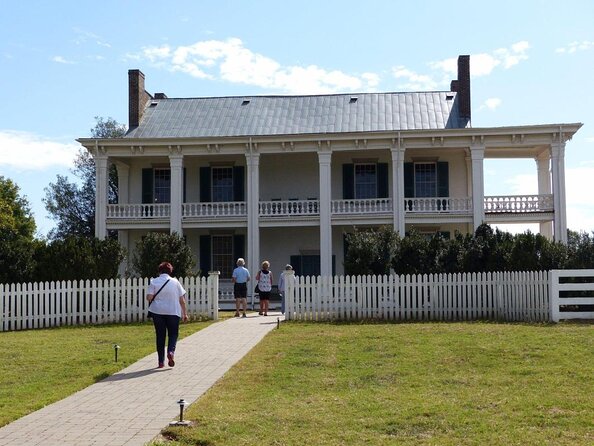
- Battle of Franklin, explained clearly: You’ll get the setting for the fighting in and around Franklin.
- Carter House shows the damage up close: The place served as a key Union headquarters area, with hundreds of bullet holes.
- Lotz House feels like a hospital after the battle: You’ll see cannonball holes and bloodstained marks on floors and walls.
- Carnton Plantation connects war and aftermath: It also served as a Confederate field hospital and includes a major private Confederate cemetery.
- Small group feel: The tour maxes out at 24 people, so you’re not stuck in a mega-crowd.
From Nashville to Franklin: your day starts at Riverfront Train Station
The day begins downtown Nashville at 108 1st Avenue South, right at the Riverfront Train Station. The pickup timing is important: plan to arrive about 15 minutes early so you’re not rushing in at the last second.
This is a round-trip shuttle day with air-conditioning, and you’ll be moving as a group between Nashville and Franklin. That’s a big deal if you don’t want to drive yourself or figure out parking near historic sites.
You can also read our reviews of more tours and experiences in Nashville.



Battle of Franklin stories that actually help you picture the fighting
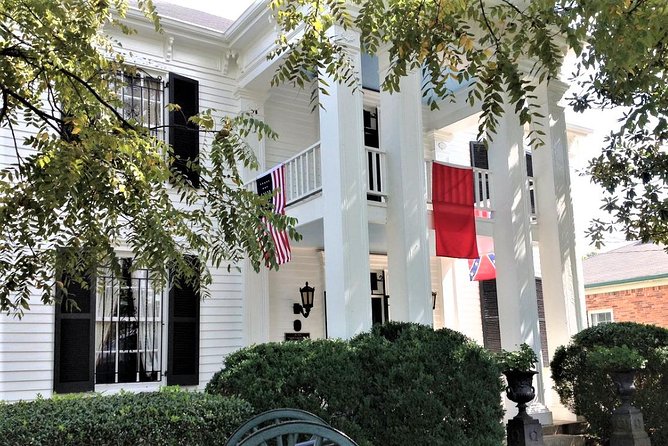
The heart of this tour is the Battle of Franklin, often described as the five bloodiest hours of the Civil War. Standing outside the sites helps, but what makes the places click is the guided narrative that frames what’s going on and why it mattered.
You’ll hear how the battle unfolded around the town of Franklin and how the fighting spilled into civilian spaces. A number of guides bring a family-and-home perspective, not just tactics and troop movements, which is one reason the day can feel heavy in a good, grounded way. If you’re a history buff, you’ll probably enjoy that the story keeps returning to the same theme: people lived here when the shooting started.
One practical note: the narration can be information-dense, and the day moves from stop to stop without much total “quiet time.” If you get overwhelmed by constant storytelling, you’ll want to pace yourself by taking a few short moments whenever the group pauses.
Carter House: Union position, hundreds of bullet holes, and the shock of scale
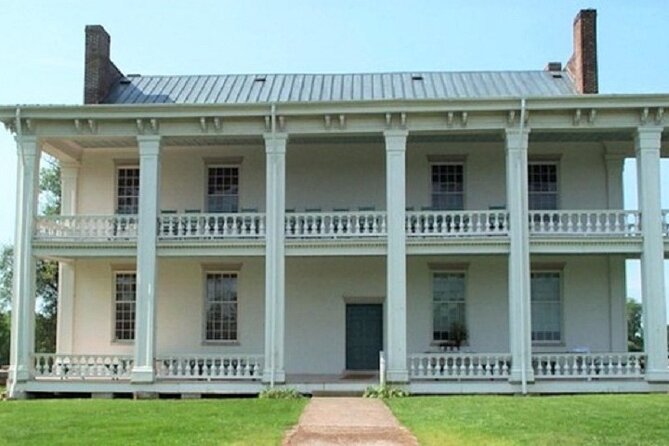
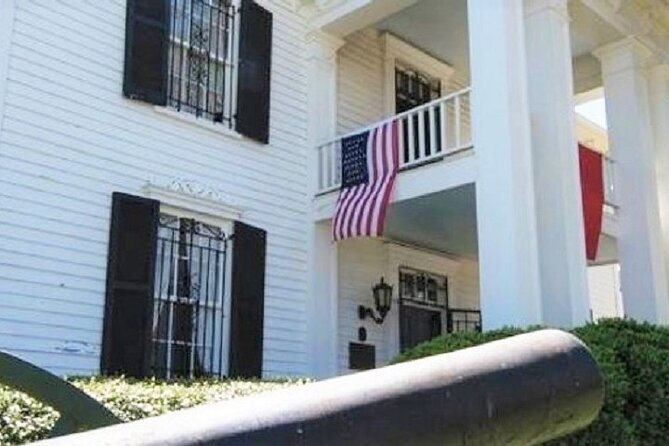
Carter House is the kind of stop that makes you slow down. This is where the battle impact is visible in a very direct way—bullet holes show up in the house and outer buildings, and the scale is the point.
The tour gives you context for where this site sat in relation to the fighting, including the fact that it served as a Federal headquarters during the battle. That matters, because it’s not just an old building with marks—it’s tied to command decisions and frontline realities.
What I like here is the contrast. You can look at the damage and still follow the guide’s explanation of how the battle environment shaped what happened. You’re learning and processing at the same time, which is often what people want from Civil War tours, especially when you’re trying to understand more than dates.
Lotz House Museum: bullet and cannonball scars plus the hospital aftermath
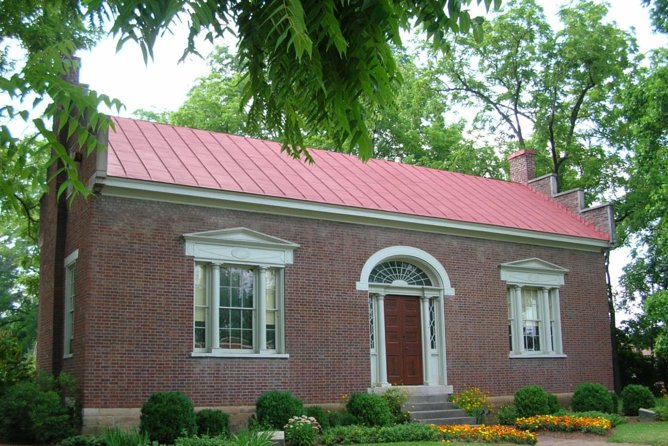
Next comes Lotz House, and this stop shifts the focus from fighting to what came after. The house became a makeshift field hospital, and the building still shows that transformation through cannonball holes and bloodstains on floors and walls.
Even though the museum spaces are refurbished, you’ll still see the battle scars. That’s the difference between reading about war and standing somewhere that absorbed it. The guide’s explanation centers on what residents faced once the battle ended—more than 9,500 casualties is the kind of detail that changes how you interpret a “simple” historic home.
This stop tends to be especially affecting if you care about the civilian experience. One reviewer-specific detail that shows up in the tone is that the guides often paint the morning after in a way that helps you understand fear, shock, and survival, not just battlefield outcomes. If you prefer emotional clarity over dry facts, this is usually the stop that sticks.
Carnton Plantation: 48 acres, field hospital role, and the private Confederate cemetery

Carnton Plantation is bigger on purpose: you’re on a 48-acre farm, and it was used as a Confederate field hospital after the Battle of Franklin. That field-hospital role is what connects the plantation to the war’s aftermath and keeps the tour from turning into only a “pretty property” stop.
You’ll also learn how Carnton became a long-term memorial, tied to the mistress of the house. And then there’s the cemetery: Carnton contains the largest private Confederate cemetery in the United States, a graveyard for soldiers who perished in and around the battle.
If you’re sensitive to heavy topics, you’ll want to mentally prepare here. The setting is quiet, but the meaning is not. The guide’s narrative helps you understand the connection between the property, the people buried there, and what “after the battle” really means when thousands of bodies still need answers and care.






Franklin free time: how to use your own break without feeling rushed
After the main historic stops, you’ll get time in Franklin for shopping, eating, and wandering other historic sights on your own. Lunch is not included, so plan to pick something nearby during your break.
The amount of free time varies by group flow, but it’s intentionally short. I’d treat it as a “grab lunch and take a quick walk” window, not a full-day downtown explore. If you want to browse stores on Main Street, you may have to choose between a longer sit-down meal and extra wandering.
If you’re optimizing your time, aim for:
- A simple lunch with fast service so you don’t lose your place on the group timeline.
- Comfortable shoes for walking around the town square area.
- If you run hot easily, bring a bottle of water. The day can add up in heat, especially when you’re moving between indoor and outdoor spaces.
Price and value: is $101.90 fair for a 7-hour day?
At $101.90 per person for about 7 hours, the biggest value question is what you’re getting for that price. This ticket isn’t just transportation. It includes guided history, round-trip shuttle service, and admission tickets to Lotz House, Carter House, and Carnton Plantation.
For many visitors, those admissions are the part that turns a “drive yourself” idea into a time-saver. Here, you’re paying for someone to organize the day, explain what you’re seeing, and keep you from spending that vacation time hunting for parking and figuring out what matters most.
Is it expensive? It’s not cheap. But if you’re the kind of traveler who wants your stops to make sense in context, the bundled admissions and guided storytelling are what usually make the total feel reasonable. If you prefer solo exploration with minimal guidance, you might find it more satisfying to pick a smaller set of sites and go on your own.
What the logistics mean for your comfort and energy
This tour is built for most people, but it’s still a full-day experience. There’s a clear “standing and walking” component at the historic homes and on the plantation grounds, and you’ll likely spend time in both indoor and outdoor areas.
So for planning:
- Wear comfortable shoes with solid traction.
- Dress in layers. Historic sites can have temperature swings from sun to shade.
- Bring water or plan to buy it during your downtime, since lunch is on you.
The tour is offered in English, and you’ll receive a mobile ticket. Service animals are allowed. Vehicles can support ADA needs in many cases, and ADA-compliant vehicles are available with 48-hour notice if you contact the Dispatch Office after booking.
Group size is capped at 24, which helps with pacing. You’re not bouncing between multiple giant coaches, and it can make the guide’s explanations feel more personal.
Who should book this Nashville Civil War tour (and who might not)
This is a strong fit if you:
- Like story-driven history and you want battle context tied to real places.
- Want to visit three major Franklin sites in one day without car stress.
- Care about the aftermath of war, not just the tactics.
It’s less ideal if you:
- Prefer slow museum browsing over guided narration.
- Get worn out by long periods of standing.
- Want a lot of free time for lunch plus shopping.
If you’re visiting Nashville and only have one free day that you want to spend on Civil War history, this checks a lot of boxes quickly: it’s organized, it’s guided, and it lands on the sites where the battle’s impact is still visible.
Should you book this Civil War tour from Nashville?
If you want a focused Battle of Franklin day that connects guided narration to real bullet-scarred buildings and a major Confederate cemetery, I think it’s a smart booking. The price makes the most sense when you value admissions plus a tight schedule that covers Lotz House, Carter House, and Carnton with context.
Just go in prepared: it’s a 7-hour day with serious subject matter and a fair amount of standing. Bring good shoes, plan your lunch strategy, and let the guide do the heavy lifting of explaining what you’re seeing.
If that sounds like your kind of history day, this tour is worth it.
FAQ
What time does the tour start, and how long is it?
The tour starts at 9:00 am and runs for about 7 hours.
Where do I meet the group in Nashville?
Meet at 108 1st Ave S, Nashville, TN 37201, at the Riverfront Train Station.
What’s included with admission tickets?
Admission tickets are included for Lotz House Museum, Carter House, and Carnton Plantation.
Is lunch included?
No. Lunch is on your own during free time in downtown Franklin.
Is the tour offered in English?
Yes, the tour is offered in English.
Does the tour require a lot of walking or standing?
Yes. You should expect standing and walking for long periods at the historic sites, so comfortable shoes are a good idea.