
REVIEW · NASHVILLE
Belmont Mansion General Admission Ticket in Nashville
Book on Viator →Operated by Belmont Mansion · Bookable on Viator
Belmont Mansion feels like time travel. This Nashville admission gives you entry to a major antebellum landmark, with a brief welcome talk and then self-guided exploring in restored Italian Villa-style rooms.
I especially like two things about the experience: the house itself, with original furnishings, artwork, and statuary that make the décor feel lived-in, and the staff format that keeps the visit flexible while still answering questions. If you’re lucky, you might cross paths with guides like Greg, Tom, or Elizabeth, who are repeatedly mentioned as friendly and strong on details.
One practical consideration: entry and parking can be a bit tight. You’ll ring the doorbell to get inside, and free on-site parking is limited (some visitors report only a handful of spots), so plan ahead if you’re coming by car.
In This Review
- What makes this ticket special
- The doorbell welcome: how the visit really starts
- Italian Villa-style interiors: what to look for once you’re inside
- The mansion-to-garden shift: rose garden time on campus
- The exhibit you get included: Enslaved, Free, and Immigrant Laborers
- How long it takes (and how to plan your Nashville day)
- Parking, entry, and the small details that affect your day
- Price and value: what $18 buys you in the real world
- Photo rules, restoration work, and comfort tips
- Who should book Belmont Mansion, and who might look elsewhere
- Should you book Belmont Mansion general admission?
- FAQ
- How much does Belmont Mansion general admission cost?
- How long should I plan for the visit?
- What are the opening hours?
- What does the ticket include?
- Is this a guided tour the whole time?
- Are photo or video recordings allowed?
- Is parking available onsite?
What makes this ticket special
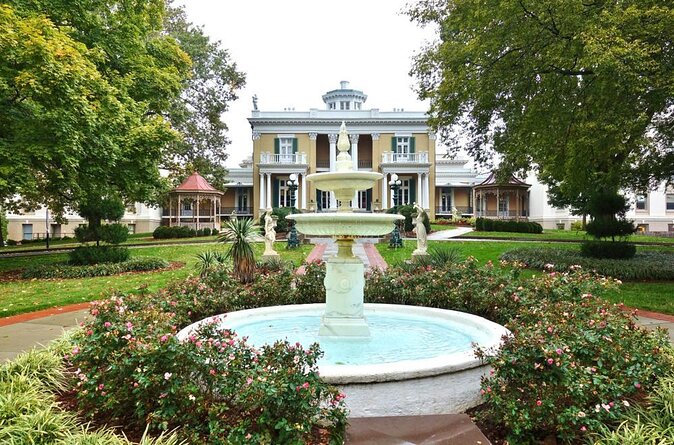
- A brief interpreter welcome, then you explore at your own pace
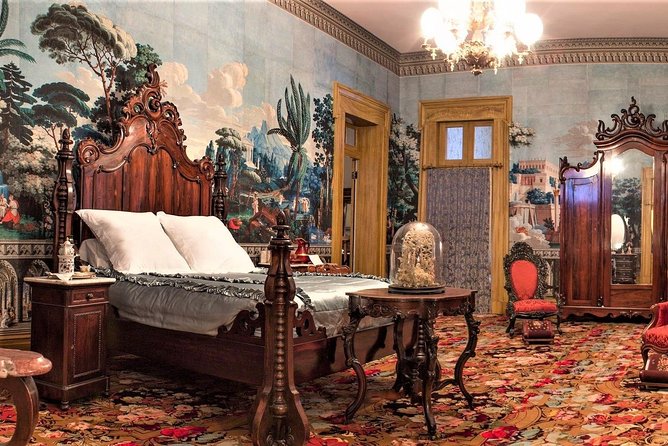
- Restored rooms with original furnishings, artwork, and statuary
- Optional rose garden and grounds walk on Belmont University campus
- Access to the exhibit Upon the Toils of Many: Enslaved, Free, and Immigrant Laborers
- Small group cap (maximum 15) keeps it from feeling chaotic
The doorbell welcome: how the visit really starts
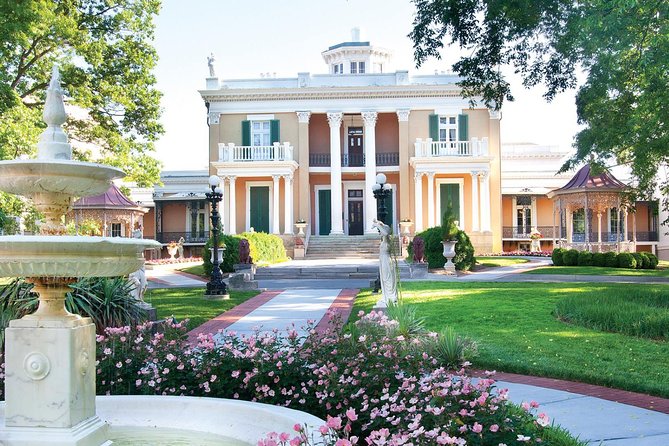
Belmont Mansion doesn’t run like a long, all-day guided bus tour. You arrive, you ring the doorbell, and trained historical interpreters welcome you inside. That opening moment matters because it sets the tone fast: this isn’t just about pretty rooms, it’s about the people, the design, and the era behind the mansion.
After that, you’re free to roam. Guides are stationed throughout to answer questions, so you can stop where the story pulls you in rather than speed-walking through a checklist. A lot of people love this format because you get structure without losing control of your time.
Also, the mansion is on Belmont University’s campus, so you’re stepping into a historic setting that’s actively used. That adds a natural rhythm to the day: you can take your time with rooms, then shift to an outdoor walk without feeling like you’re switching gears to a whole new attraction.
You can also read our reviews of more tours and experiences in Nashville



Italian Villa-style interiors: what to look for once you’re inside
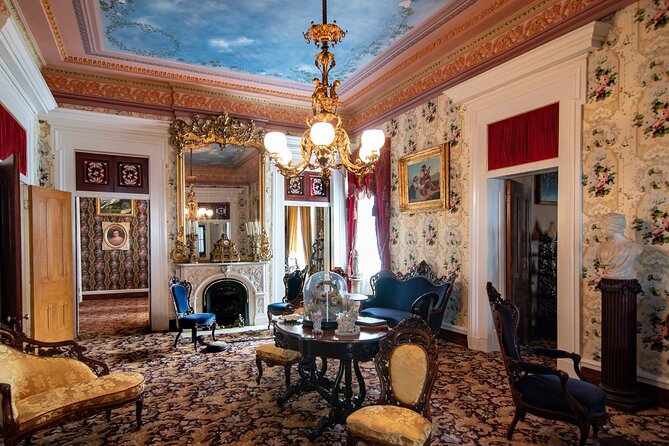
This is a big house—one of the largest antebellum homes in Tennessee—and it’s restored with a strong eye for period detail. Expect elaborately decorated rooms, with displays of original items that help you visualize what life looked like when the mansion was new.
Here are the kinds of things that make the interiors worth your attention:
- Chandeliers and fireplaces: You’ll see serious craftsmanship here, and the décor is the kind that stops you at the doorway.
- Original furnishings and decorative objects: The rooms are arranged in a way that helps you connect the dots between architecture and daily life.
- Artwork and statuary: Even when you’re not a museum person, these displays give the house personality.
The Civil War connection shows up in specific room displays too. Some visitors point out areas with uniforms, arms, and details connected to Union soldiers during the conflict. That’s a reminder that this mansion isn’t sealed off from national events—it’s part of them.
One more real-world note: restoration work is ongoing in certain areas. That doesn’t ruin the visit, but it can mean you’ll see sections that look a little more “in progress” than others. If you’re the type who loves seeing original surfaces, ask staff where restoration is underway so you don’t feel like you missed something.
The mansion-to-garden shift: rose garden time on campus
Right after the house, you have an optional self-guided walk through the rose garden and grounds. This is the part that turns a museum stop into a full Nashville break, because you can stretch your legs and get a better feel for the property beyond the rooms.
Belmont Mansion sits about 3 miles from downtown Nashville, but once you step onto the campus grounds, it doesn’t feel like a quick roadside stop. Visitors repeatedly describe the campus as beautiful, and the grounds are presented as a signature feature of the visit.
How to enjoy it:
- Slow down at the front steps and work your way outward.
- Treat the garden walk as part of the same story, not an add-on. The landscaping and campus setting explain how the mansion functioned as a centerpiece.
This also helps you tailor the timing. If you only want the house, you can keep it short. If you want photos, walking, and a little “take it in” time, this is where you’ll feel rewarded.
The exhibit you get included: Enslaved, Free, and Immigrant Laborers
A real value here is that your admission includes access to the exhibit Upon the Toils of Many: Enslaved, Free, and Immigrant Laborers. That matters because it frames the mansion in a wider context—how the people who built, maintained, and supported household life were affected by the labor systems of the time.
I like this inclusion because it prevents a common museum problem: admiring details while skipping the harder parts of the story. You can still enjoy the artistry of the rooms, but you’re given a chance to connect it to the human work behind it.
If you’re short on time, skim strategically:
- Start with the exhibit first if you want the broader context before you tour rooms.
- If you’re more visual, do rooms first, then return for the exhibit so you can attach meaning to what you saw.
How long it takes (and how to plan your Nashville day)
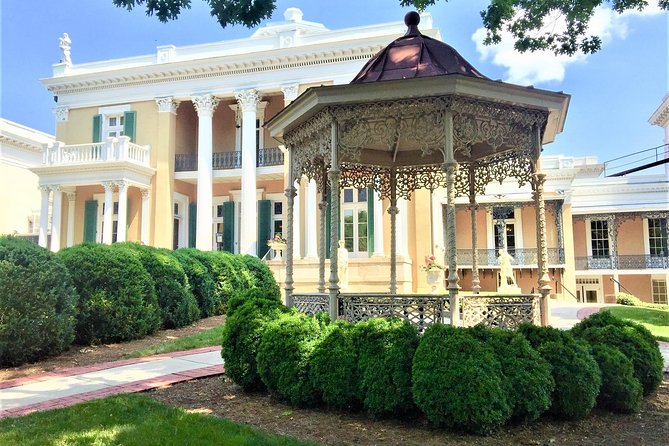
Think about 1 to 2 hours for a comfortable visit. That range works because you get a short guided intro, then self-guided space to move at your speed. If you stop a lot, read slowly, or take time in the rose garden, you’ll land closer to the longer end.
The ticket is valid all day during regular operating hours on your reserved date. That’s helpful if your Nashville schedule is flexible.
Opening hours are listed as Monday through Saturday, 10:00 AM–3:30 PM for the period shown through 2026. Plan around that cutoff. This is not an evening attraction, so pair it with daytime plans—brunch, a museum circuit, then back to downtown.
Parking and timing tip: since free on-site parking is limited, aim to arrive with a little buffer. When parking fills, you may have to walk farther, so build that in.





Parking, entry, and the small details that affect your day
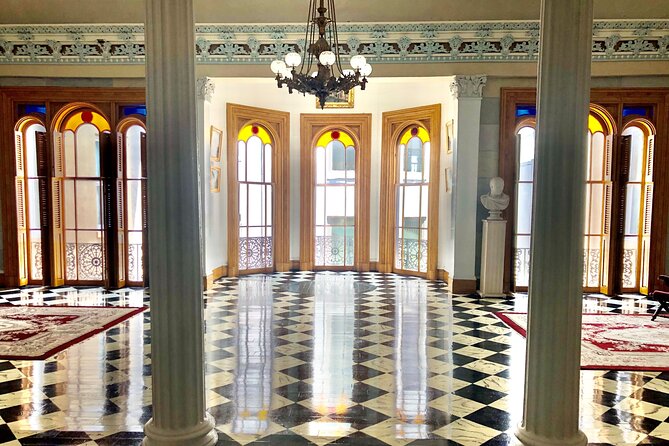
Let’s talk logistics, because this is where people either relax or stress.
- Free on-site parking is included, but you need to register your vehicle.
- There are only a handful of free spots close to the main entrance. Some visitors report as few as four, others mention six total, so I wouldn’t assume you’ll find a spot right away.
- Expect to walk up to the main door and ring the doorbell to enter.
If your plan depends on driving, give yourself time for the parking reality. If the closest spots are taken, staff may help you find free parking elsewhere (one review mentions calling for help), but that’s not something to count on without asking.
Also note the photo rules: no video or personal photo shoots are permitted. That means you should travel with your expectations set for regular visiting photos only, not filming sessions or portrait-style shoots.
Price and value: what $18 buys you in the real world
At $18 per person, this ticket is priced like an efficient, smaller-format museum visit. What you’re really paying for is:
- Admission to a major historic house
- A short introductory talk that starts your visit with context
- Self-guided access to the mansion at your pace
- Guides stationed throughout for questions
- Included access to an exhibit focused on labor and human stories
- A museum gift shop on-site
In other words, you’re not just buying entry. You’re buying structure-light guidance plus the freedom to stay longer in the rooms that catch your interest.
If you’re the kind of visitor who likes to read labels and ask a few questions, this is a good value. If you only want a fast walk-through with no time spent outdoors, you might feel you could do it in less than the typical 1–2 hours—still fine, but you’ll want to prioritize which rooms matter most to you.
Photo rules, restoration work, and comfort tips
A few practical notes can make the difference between a smooth visit and a distracted one:
- No personal photo shoots and no video: keep your camera use straightforward.
- Restoration work may be happening in parts of the mansion. That’s normal for a living historic property, but it can affect what you see in certain rooms.
- Bring comfy shoes for the house-and-grounds flow. Even though the schedule is short, you’ll still move from room to room and then onto the grounds.
If you’re visiting in warm weather, plan for the outdoor portion in your comfort strategy. The rose garden walk can be part of the payoff, so don’t dress like you’re going to a quick errand.
Who should book Belmont Mansion, and who might look elsewhere
This ticket fits best if you like:
- Architecture and decorative arts
- Civil War-era details
- Women’s history and Tennessee history
- Museums where you can control your pace instead of being rushed
It may not be the best match if you:
- Want a fully guided, step-by-step tour for the whole visit. This experience starts with an introduction, then shifts to self-guided exploring.
- Are arriving without a plan for limited free parking. If you can’t drive, you can still go, but you’ll want to know your transport plan before you get close.
Should you book Belmont Mansion general admission?
I’d book it if you want a high-impact Nashville history stop without committing to a long guided day. For $18, you get the mansion’s restored rooms, the on-site guides to answer questions, the optional rose garden walk, and the included exhibit on enslaved, free, and immigrant labor.
If you’re nearby or you’re building a daytime history plan, this is an easy yes. Just go in with realistic expectations about parking and the self-guided pacing, and you’ll come away feeling like you spent your time in a place that really matters.
FAQ
How much does Belmont Mansion general admission cost?
It’s $18.00 per person.
How long should I plan for the visit?
Plan for about 1 to 2 hours.
What are the opening hours?
The hours listed are Monday through Saturday, 10:00 AM to 3:30 PM.
What does the ticket include?
Admission includes entry to the mansion with an introduction from a trained interpreter, a self-guided tour of the mansion (with guides stationed to answer questions), access to the exhibit Upon the Toils of Many: Enslaved, Free, and Immigrant Laborers, free on-site parking (with vehicle registration), and the museum gift shop.
Is this a guided tour the whole time?
It starts with a short introduction from a trained interpreter, and then you tour the mansion at your own pace with guides stationed throughout.
Are photo or video recordings allowed?
No video and no personal photo shoots are permitted.
Is parking available onsite?
Yes. Free on-site parking is available, and you’ll need to register your vehicle. Note that free spots near the entrance can be limited.