REVIEW · NASHVILLE
Nashville African American History & Civil Rights Walking Tour
Book on Viator →Operated by United Street Tours · Bookable on Viator
A walk like this reminds you Nashville didn’t get famous by accident. I like the way the route blends civil rights context with real places you can see in a couple hours, and it keeps you moving from story to story instead of lecturing from one spot. I also love that the best-known music stop is the National Museum of African American Music, not just a photo-op. One thing to keep in mind: it’s outdoors and covers a moderate walking pace, so comfortable shoes and good weather matter.
This tour is run by United Street Tours and led by a live guide (Chiquita’s name comes up in the reviews for being passionate and well prepared). You’ll start at the Nashville Visitor Center on Broadway and end back there, with a small group size capped at 30 people. If you like your history paired with street-level sights like murals and Lower Broadway energy, this one fits; if you want zero walking and only museum time, you might feel a bit cramped by the schedule.
In This Review
- Key things that make this tour worth your time
- Walking where Nashville’s civil rights story actually happened
- Starting at the Nashville Visitor Center and heading to the Hall of Fame Museum
- Lower Broadway: music energy with context, not just nightlife
- The National Museum of African American Music: short stop, strong impact
- Nashville Public Library: civic space where stories get recorded
- Davidson County Courthouse: where public decisions get made
- Assembly Food Hall and the Civil Rights Museum: culture and community, in walking distance
- Street art, murals, and photo ops that actually mean something
- Group size, timing, and how to plan your day around it
- Price and value: what you’re buying with your time
- Who should book this Nashville civil rights walking tour
- Should you book this tour?
- FAQ
- Where does the tour start and end?
- How long is the walking tour?
- Is there a live guide?
- Is pickup and drop-off included?
- What language is the tour offered in?
- Do I need to bring a paper ticket?
- How big is the group?
- Is the tour physically demanding?
- Are service animals allowed?
- What’s the cancellation policy?
Key things that make this tour worth your time
- A local-voice route that connects music, civic spaces, and civil rights landmarks into one walk
- Lower Broadway as a living context for Nashville’s sound, not just its nightlife
- National Museum for African American Music as a quick stop that still lands the mood
- Civic stops around the public library and county courthouse for how change got argued and recorded
- Photo-friendly murals and street art that help you remember the stories
Walking where Nashville’s civil rights story actually happened
Nashville can feel like two cities at once: the polished postcard version and the hard-edged history underneath. This tour leans into that second layer. The format matters. Instead of hopping between far-flung sites and hoping you connect the dots, you get a guided path that keeps turning the same theme—African American life and civil rights—into something you can see and picture.
You’ll also get a guide who can explain why specific locations mattered. That’s a big deal, because “history” on a plaque can blur fast. Here, you’re outdoors, looking at the real streets and buildings, and learning how people used music, public institutions, and community organizing to push the city forward.
And yes, you’ll also be in the kind of place people come to Nashville for: Lower Broadway, with its long run of bars and the live-music vibe. The difference is you’re not just there to listen. You’re there with context.
You can also read our reviews of more walking tours in Nashville

Starting at the Nashville Visitor Center and heading to the Hall of Fame Museum
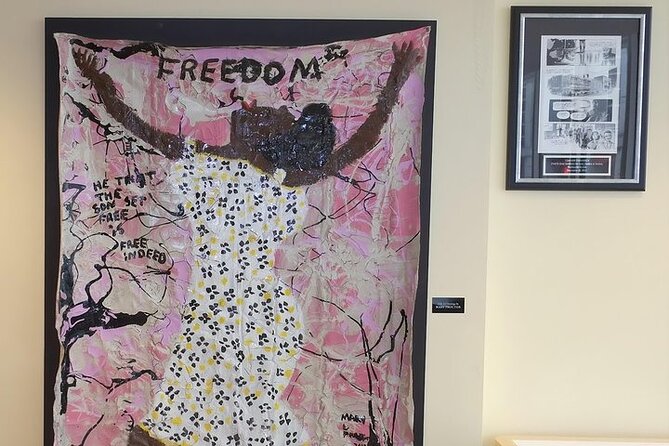
You meet at the Nashville Visitor Center, 501 Broadway, and the tour loops back to that same spot at the end. Starting right on Broadway is practical. It gives you an easy orientation point and helps the whole route feel anchored rather than scattered.
From there, the tour connects you to the Hall of Fame Museum area. Even if you’ve seen Nashville headlines before, this kind of opening helps you understand how the city brands itself—and how that image relates to the communities that helped shape it. The guide’s role here is key: you’re not just looking at buildings; you’re getting a quick framework for what you’ll notice later—music venues, public spaces, and murals that carry meaning.
What I like about this opening segment is the momentum. You’re not stuck reading one exhibit for hours. You’re getting a mental map, then walking it.
Lower Broadway: music energy with context, not just nightlife
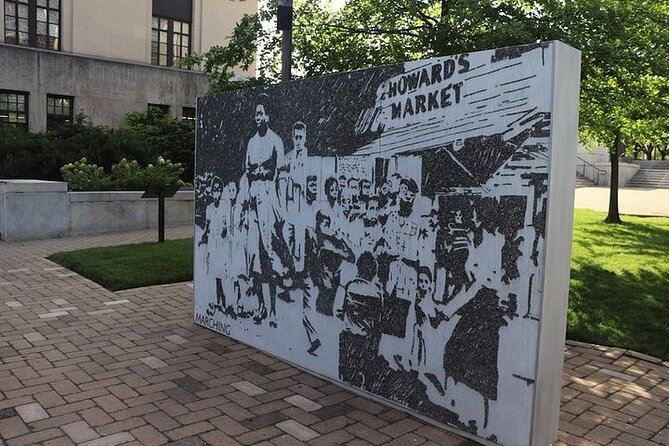
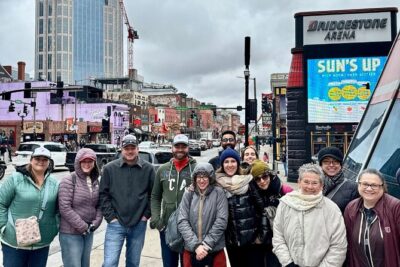
Lower Broadway is the star on the schedule, and the reason is simple: it’s where Nashville’s sound is easiest to feel in your body. The tour takes you through this stretch where there are more than 30 bars, and the live music atmosphere is constant.
Here’s how to make this part work for you: pay attention to how the guide explains the connection between the music scene and the broader story of African American influence and civil rights. If you only treat Lower Broadway as a place to grab a drink, you’ll miss the point. But if you listen for the “why,” it turns into more than entertainment.
A practical tip: plan for crowds and street noise. This area is active, and the tour still has to fit timing. Bring patience, and keep your phone handy for photos, because you’ll likely want to capture street art and colorful facades as you move.
The National Museum of African American Music: short stop, strong impact
One of the best moments is the quick visit to the National Museum for African American Music. This stop is designed to change your headspace quickly. You get transported into the world of soulful melodies, but you also get a guided thread that ties music back to community, identity, and expression.
Why this stop is valuable on a walking tour: museums can be time sinks. Here, it’s handled like a focused ingredient. You won’t likely spend your whole day inside, but you’ll leave with more than background noise in your memory—you’ll have emotional context for the sounds you hear afterward around town.
What to consider: this is a “quick stop” style visit. If you want slow reading time and deep exhibit wandering, you may need to pair it later with a return trip on your own.
Nashville Public Library: civic space where stories get recorded
After the music stop, the route shifts into the civic side of the city. You’ll make time at the Nashville Public Library, a location that’s especially meaningful for understanding how knowledge, records, and public access connect to social change.
On this kind of tour, a library isn’t just a pretty building. It’s a reminder that civil rights isn’t only about marches and speeches. It’s also about information, documentation, and the ability to learn in public life.
If you’re the type of person who likes how institutions work—who gets heard, who gets recorded, who gets access—this segment will click. The guide can help you connect what you’ve learned so far to the kinds of power that public spaces represent.
You can also read our reviews of more historical tours in Nashville
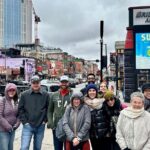





Davidson County Courthouse: where public decisions get made
Next up is the Davidson County Courthouse. This is one of those stops where the architecture and history matter because civic systems shape real outcomes. Courthouses can feel intimidating, but on a guided walking tour they become more than stone and steps. You get the human side: how local decisions connect to larger civil rights battles.
This is also a good moment for photo breaks and a mental reset. After the music museum, switching to legal and civic landmarks keeps the tour balanced. It prevents the experience from becoming only cultural (music and murals) or only political (history lectures). You get both.
A consideration: if you’re uncomfortable around crowds or you don’t like standing still, plan to keep moving with the group. The tour’s structure is built for motion, not lingering for long.
Assembly Food Hall and the Civil Rights Museum: culture and community, in walking distance
The route adds stops that feel more like conversations with the city than a strict list of “must see” items. You’ll hear background stories about Assembly Food Hall—local food culture that helps you understand the everyday side of Nashville, not just the headline version. This kind of stop is great because it anchors the history in something tangible.
You’ll also stop by the Civil Rights Museum to hear the story of local heroes. That moment matters because it shifts attention from abstract ideas to named people and real choices. Even on a shorter walking tour, a guided focus on local heroes helps the whole experience feel grounded.
For you, the practical benefit is simple: you’ll have more than “places I visited.” You’ll have a set of scenes—music, food culture, civic structures, and community leadership—that connect in your mind.
Street art, murals, and photo ops that actually mean something
Some walking tours give you a mural and move on. This one uses murals and colorful street art as more than decoration. You get photo ops, yes, but you also learn how the city went from a segregated farm town to one of the most desired cities in the US.
That transformation can sound big and vague until you see it in layers—paint, walls, neighborhoods, and public-facing art. The guide’s explanations help you look at the street as a living page. You’ll leave with photos that have stories attached, not just color.
Simple tip: wear layers and keep an eye on your surroundings while you stop for pictures. Sidewalks can be crowded near entertainment corridors, and the group moves at a steady pace.
Group size, timing, and how to plan your day around it
The tour lasts about 2 hours. That’s long enough to feel like a real journey and short enough to keep the rest of your day flexible.
The group max is 30 people, which is helpful. Smaller groups tend to get better pacing and more chances to ask a question when something clicks. You also get a mobile ticket, so you’re not scrambling with paperwork at the start.
Your best planning strategy: treat this as a morning or early afternoon history layer. If you do it right before a big music night, the museum and civil rights stops can make Lower Broadway feel different—in a good way. If you do it late, you’ll still get the context, but you may be more tired for the civic segments.
Moderate physical fitness is requested, and since it’s near public transportation, it’s easy to pair with other stops. Service animals are allowed too.
Price and value: what you’re buying with your time
There’s no price listed in the details I have, so I can’t tell you whether it’s a bargain or a splurge. But I can tell you what the value is built on.
You’re paying for:
- a live guide
- a tightly timed route through meaningful stops, including Lower Broadway and the African American music museum
What you’re not paying for:
- pickup and drop-off
- gratuities (optional)
For most people, the value comes from having someone connect the dots between places. Nashville’s story is layered, and without guidance it’s easy to wander, take photos, and still miss why each location matters. With the guide, the walk becomes a guided interpretation of how the city’s music and civil rights story relate.
If you enjoy history but don’t want a full-day crawl, this 2-hour format is a good sweet spot.
Who should book this Nashville civil rights walking tour
This tour is a strong fit if you:
- want Nashville history tied directly to real streets and landmarks
- care about African American music and civil rights in the same visit
- like photo moments but also want context behind what you photograph
- prefer a guided walk over independent museum hopping
It may feel less ideal if you:
- dislike walking for about 2 hours
- only want deep museum time (this tour includes a quick museum stop, not an all-day program)
- need a quieter, low-traffic environment all the way through, since Lower Broadway is active
Should you book this tour?
If you want a Nashville experience that goes beyond the usual nightlife photos, I think this one is a smart booking. The mix of Lower Broadway energy, a focused stop at the National Museum for African American Music, and civic landmarks like the public library and Davidson County Courthouse gives you a fuller picture without eating your whole day.
Book it if you’re excited by street-level history—murals, institutions, and the way music and civil rights intersect. Skip it only if you’re looking for mostly indoor time or a very slow pace. For a 2-hour guided walk with a live guide like Chiquita, it’s an efficient way to leave Nashville with more meaning in your photos and more clarity in your head.
FAQ
Where does the tour start and end?
It starts at the Nashville Visitor Center, 501 Broadway, Nashville, TN 37203, USA. The tour ends back at the meeting point.
How long is the walking tour?
The duration is about 2 hours.
Is there a live guide?
Yes. The tour includes a live guide.
Is pickup and drop-off included?
No. Pickup and drop-off are not included.
What language is the tour offered in?
The tour is offered in English.
Do I need to bring a paper ticket?
No. You’ll use a mobile ticket.
How big is the group?
The tour has a maximum of 30 people.
Is the tour physically demanding?
It asks for a moderate physical fitness level.
Are service animals allowed?
Yes, service animals are allowed.
What’s the cancellation policy?
You can cancel for a full refund up to 24 hours in advance of the experience’s start time. The experience may also be rescheduled or refunded if canceled due to poor weather.