REVIEW · NASHVILLE
Wander Nashville- Guided Historic Walking Tour
Book on Viator →Operated by Wander Nashville · Bookable on Viator
Nashville stories move fast on foot. This guided historic walking tour hits major downtown sights and ties them to the people who shaped Music City, using personal listening devices so you don’t miss the details. You’ll cover a lot of ground in about 1 hour 45 minutes without paying big-attraction prices.
I like the value here: it costs $10 per person and caps at a maximum of 20 travelers, which keeps the vibe focused. The one real catch is simple—this is still real walking, with stairs/ramps involved, and it runs best in good weather.
In This Review
- Key things I’d zero in on before you book
- A $10 downtown walk that helps you get your bearings fast
- Meeting point and timing: start at 2nd Ave N, finish near the action
- The walking route: what each stop is really teaching you
- Stop 1: Where Nashville’s history begins along the downtown waterway
- Stop 2: Broadway behind the Ryman and the early start of big dreams
- Stop 3: The Nashville Predators arena and how sports fits the city
- Stop 4: Sit-Ins and the Woolworth lunch counter site
- Stop 5: From bootleggers and mobsters to jazz and burlesque
- Stop 6: The Tennessee government state house
- Stop 7: A major municipal music venue for stars then and now
- Stop 8: Walk of Fame Park and the names you can follow after
- Discounts included: how to use them without overthinking
- Guides and group vibe: this is where the tour earns its score
- Price and value: why $10 can feel like a bargain
- Practical fit: who should book and who should consider other options
- Should you book Wander Nashville’s Guided Historic Walking Tour?
- FAQ
- How much does the Wander Nashville guided historic walking tour cost?
- How long is the tour?
- What time does the tour start, and where do I meet?
- Where does the tour end?
- Does the tour include anything to help me hear the guide?
- Is there a discount included for other places in Nashville?
- How big is the group?
- What if it rains or the weather is poor?
- Is the tour accessible and are service animals allowed?
Key things I’d zero in on before you book
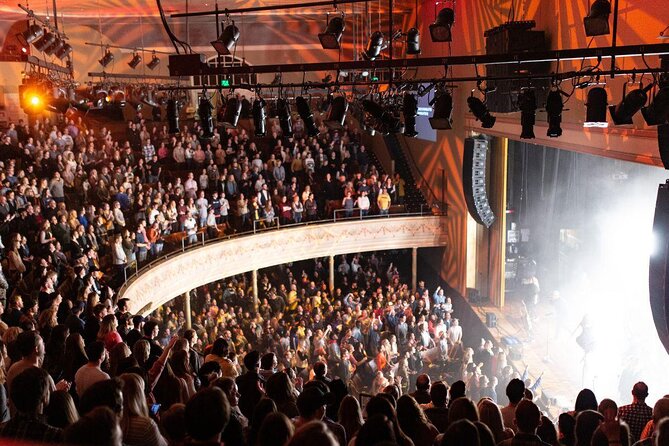
- Personal listening devices help you hear the guide clearly, even in busy areas
- A short, dense route: you cover several major Music City stops in under 2 hours
- Small group size (up to 20) makes questions feel doable
- Partner discounts are baked in, giving you an easy next step after the walk
- History + music culture in one loop, with stories ranging from the Sit-Ins to Broadway music rooms
A $10 downtown walk that helps you get your bearings fast
If you’re trying to understand Nashville in a hurry, this is a smart move. You’re not buying a day ticket to one attraction and hoping it clicks. Instead, you’re getting a guided route through the core downtown areas where the city’s music business and major historical chapters overlap.
What makes it work is the pacing and the sound system. You’ll be walking and listening at the same time, but the personal listening device setup means you can actually follow along when you’re near crowds, music, or street noise. It turns the tour from a “hope you can hear” situation into a true storytelling walk.
And yes, the price is low enough that it feels more like a local orientation than a big production. At $10 per person, you’re paying for context—so the places you see after the tour make more sense.
You can also read our reviews of more walking tours in Nashville



Meeting point and timing: start at 2nd Ave N, finish near the action
The tour meets at Butlers Run LLC, 138 2nd Ave N #500, Nashville, TN 37201, and starts at 10:00 am. When you finish, you end at Walk of Fame Park, 121 4th Ave S, with the route designed so you’re only about two blocks from the starting area’s general neighborhood feel—handy if you want to hop directly into food, shops, or another stop.
This is also the kind of tour that benefits from arriving a little early. You’ll want a quick moment to settle your device, check where your group is lining up, and be ready to walk once the guide cues up. Since this is a guided walk with a fixed schedule, you’ll get more out of it if you don’t treat it like an optional stroll.
Small group size matters here too. With a maximum of 20 travelers, it stays manageable. The guide can keep things moving while still answering questions.
The walking route: what each stop is really teaching you
This tour is built like a story map. Each stop connects a place you can see now with the forces that shaped Nashville’s identity—music culture, civic life, and major social moments.
You’ll cover eight main stops, and the route is designed for a tight “see a lot, learn why it matters” flow.
Stop 1: Where Nashville’s history begins along the downtown waterway
The walk starts by heading toward an iconic downtown waterway—your first clue that this city wasn’t always just a stage for musicians. Waterways powered movement, business, and settlement patterns in most American towns, and Nashville’s story is no different.
At this point, I’d treat the guide’s commentary like a framework. They’re setting up the big idea for the rest of the tour: how people, commerce, and music culture build on each other over time. If you’re the type who likes to understand the “why” behind a place, you’ll appreciate the way this opening anchors everything that comes next.
Practical note: since you’ll be walking fairly early in the route, wear shoes you can rely on. Downtown sidewalks can be busy and uneven in spots.
Stop 2: Broadway behind the Ryman and the early start of big dreams
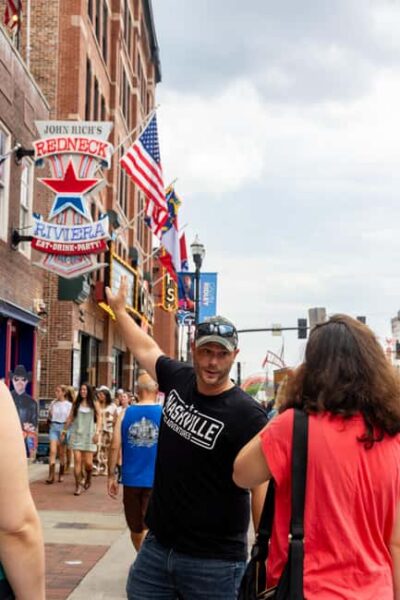
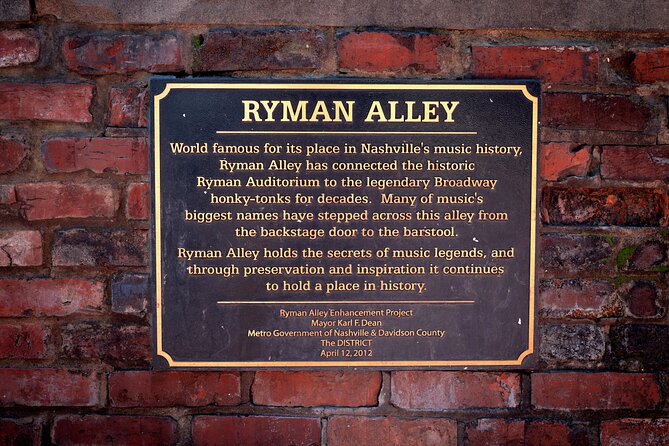
Next you head into the Broadway area, right behind the Ryman. This is the section where you’ll learn about the famous saloon connection—where many young country stars got their start—plus why this stretch of Broadway became a magnet for performers.
The tour also explicitly ties you to places like Tootsies Orchid Lounge, which helps you connect names you’ve heard with the actual street-level reality of where the scene formed. Even if you’ve never visited before, you’ll get a sense for why people chase the sound and the spotlight right here.
This is also a great stop if you’re bringing kids, teens, or anyone who gets bored in long museum settings. One of the best review-style takeaways here is that guides keep the energy high, with humor and clear, direct explanations. That matters when you’re mixing real history with pop-culture landmarks.
You can also read our reviews of more guided tours in Nashville






Stop 3: The Nashville Predators arena and how sports fits the city
After the music-streets energy, you’ll see the sports arena tied to the NHL Nashville Predators. This stop is about more than hockey. It’s a reminder that big cities build identity through multiple cultures—music, politics, sports, and civic life.
If you’ve only thought of Nashville as a country-music brand, this stop helps widen the picture. It shows the city as a place with major events and public gathering spaces, not just venues for concerts.
This is also the kind of stop where hearing your guide clearly pays off. You’re outside, the streets can be noisy, and having the listening device keeps you from drifting.
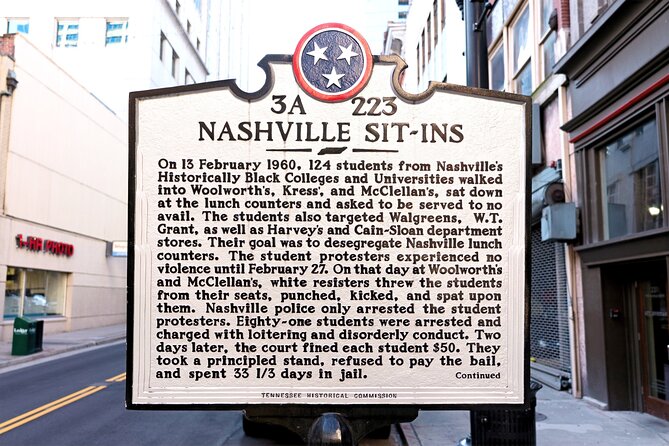
Stop 4: Sit-Ins and the Woolworth lunch counter site
Then the tour turns to one of the city’s most important civil-rights storylines: the Nashville Sit-Ins and the former home of the Woolworth lunch counter.
This is where the tour shows its maturity. Music City isn’t only chords and costumes. It’s also activism and change. The guide’s job in this section is to connect the physical location to the human stakes—why it mattered then and why it still matters now.
If you care about history that connects directly to public spaces (not just dates in a textbook), this stop is a highlight. It’s also a good moment to slow down a bit, listen closely, and ask questions if your guide invites them. This is where a good guide makes the difference between a quick glance and real understanding.
Stop 5: From bootleggers and mobsters to jazz and burlesque
Next you visit a former bootlegger-and-mobster area that today has become a visitors’ zone with jazz bands and burlesque.
This stop is fun, but it isn’t random. It explains how Nashville’s nightlife chapters shifted over time—from backroom activities to public entertainment—and how the city’s reputation evolved. You’ll likely recognize the vibe even if you can’t place the exact “chapter” yet.
One of the best things about this portion is that it gives you language for what you see afterward. If you later wander into a live-music block or catch a performance, you’ll have a better sense of why that type of scene belongs here.
Stop 6: The Tennessee government state house
After the entertainment zone, you head to the Tennessee state house (the seat of the state government). This stop puts Nashville back into the big-picture category: laws, civic decisions, and public structures.
It also balances the emotional weight of the Sit-Ins stop. You go from social change into institutions that shaped what changed and how. You’ll feel the tour widening from “music street” to “the city as a system.”
If you like history that explains how cities work, this is your moment. If you’re mostly here for music landmarks, don’t skip it. It’s quick, and it helps your later reading and exploring feel less random.
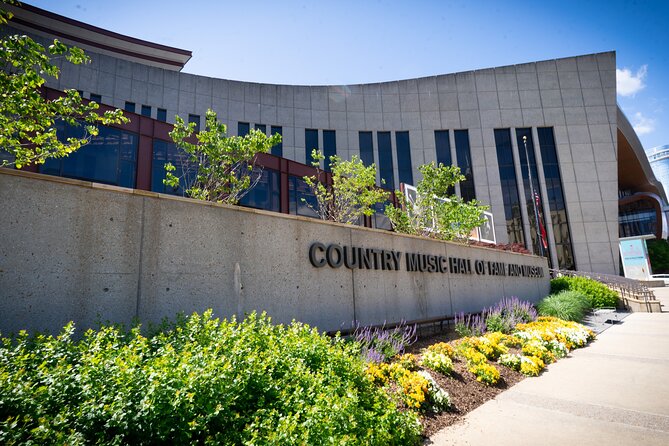
Stop 7: A major municipal music venue for stars then and now
The next stop is the first major municipal venue in Nashville, the place where performers from the 60s, 70s, and today found their stage.
Even if you don’t know every name attached to that era, the guide’s storytelling helps you understand what municipal venues meant: more than entertainment, they were cultural infrastructure. They brought stars into public view and helped shape what “mainstream Nashville” would become.
This stop ties the whole tour together. You’ve seen street-level nightlife, you’ve covered major social history, and now you’re linking it to the public stages that turned those forces into an actual cultural legacy.
Stop 8: Walk of Fame Park and the names you can follow after
You finish at Walk of Fame Park, where the stars pay tribute to notable individuals—musical or otherwise—who helped shape Music City.
This final stop is smart because it gives you a self-serve next step. After the tour, you can look up names that mattered, trace connections, and decide what you want to do next on your own.
It also makes a difference that the tour ends here. Walkable sightseeing keeps momentum. If you end near a cluster of attractions or easy walking routes, you’re more likely to keep exploring instead of calling it a day.
Discounts included: how to use them without overthinking
This tour includes discounts to partner attractions, stores, and tours. The practical value is that the tour ticket isn’t just a one-time experience. It’s also a “use this immediately” card for the rest of your day or next visit.
I suggest you treat it like this:
- Pick one nearby attraction you were already considering.
- Use the discount to make it the one you actually do.
- Save the rest of the discounts for a second pass, especially if you’re staying more than a couple days.
The tour also mentions discounts to sights and museums as part of what’s included, which can help you keep your Nashville budget under control.
If you’re the type who loves a plan with flexibility, this is one of those “quietly useful” features. It doesn’t steal time during the walk, but it can cut a surprising chunk off later tickets.
Guides and group vibe: this is where the tour earns its score
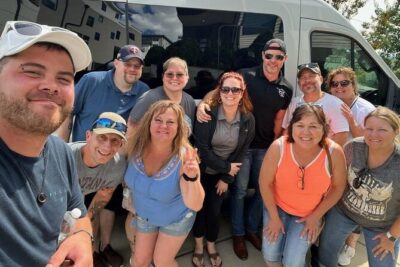
The standout theme across the tour experience is the guide style. Names like Dunkin and Duncan show up in the guide stories, and Sherri Lee is another clearly memorable host.
A few specific strengths show up again and again:
- Guides keep the tone friendly and funny while staying on topic
- They answer questions instead of rushing past them
- They can adjust when street conditions change, including rerouting to avoid major crowds or events
- They use headsets so the group can hear clearly in noisy spots
You’ll also want to note the small kindness details. In warm weather, the guide approach includes practical comfort like water—and one review highlights sunscreen being offered halfway through when the sun was stronger. That kind of proactive care is exactly what turns a good walking tour into a great one.
Also, the mix of ages matters. This kind of route can work for a wide group—if the guide keeps things engaging. One review notes the guide did a solid job keeping an 11-year-old interested, which tells me the storytelling isn’t just for adults who already love history.
Price and value: why $10 can feel like a bargain
At $10 per person, you’re paying for three things:
- A guided route that saves you time deciding where to start
- A sound system setup so you get real information, not just landmarks
- A bundle of next-step discounts
A lot of tours cost more because they include transportation or major attractions. This one is lean and focused: it uses downtown walking as the vehicle, and it uses the guide and devices as the “product.”
The best value isn’t just the low cost—it’s the way the tour helps you interpret what you’re seeing. When you later stand in front of a landmark, it’s easier to connect it to the human stories and the city’s shifts over time.
If you’re on a tighter budget but still want more than self-guided wandering, this is the kind of “starter tour” that makes the rest of your trip better.
Practical fit: who should book and who should consider other options
This tour suits you if:
- You want a quick orientation to downtown Nashville
- You like your history explained on the sidewalk, not in a lecture
- You’re open to a route that mixes music culture with civic and social history
- You can handle walking and short stretches with stairs/ramps
You might want to think twice if:
- You don’t walk well or need an extremely flat, fully accessible route (the tour notes accessible alternative routes exist, but it still includes walking and stairs/ramps)
- You’re traveling with limited mobility and want a very low-footprint plan
- Weather is bad—this experience requires good weather, and on poor-weather days you’ll be offered a different date or a refund
Also, the tour is capped at 20 travelers, and it’s popular enough that it tends to get booked ahead. If you have a tight itinerary, it’s smart to lock in early rather than wait.
Should you book Wander Nashville’s Guided Historic Walking Tour?

I’d book it if you want Nashville’s big ideas—music, activism, and civic identity—delivered in a tight, affordable walking format. The combination of personal listening devices, a small group, and stops that range from Broadway to the Sit-Ins site is exactly how you turn a first-time visit into a trip with context.
Skip it (or compare alternatives) if you want mostly one type of attraction—only music venues, only museums, or only nightlife. This tour is a blend. If that blend excites you, it’s a strong choice.
If you do book, I’d show up a few minutes early, wear solid walking shoes, and be ready to ask questions. The guides clearly know how to keep the group engaged, and that’s what makes a short tour feel longer—in the best way.
FAQ
How much does the Wander Nashville guided historic walking tour cost?
It’s $10.00 per person.
How long is the tour?
The tour lasts about 1 hour 45 minutes.
What time does the tour start, and where do I meet?
It starts at 10:00 am at Butlers Run LLC, 138 2nd Ave N #500, Nashville, TN 37201.
Where does the tour end?
The tour ends at Walk of Fame Park, 121 4th Ave S, Nashville, TN 37201, and you’ll be about two blocks from the starting area.
Does the tour include anything to help me hear the guide?
Yes. You’ll receive a personal listening device so you can follow the commentary.
Is there a discount included for other places in Nashville?
Yes. The tour includes discounts to partner attractions, stores, and tours.
How big is the group?
The tour has a maximum of 20 travelers.
What if it rains or the weather is poor?
This experience requires good weather. If it’s canceled due to poor weather, you’ll be offered a different date or a full refund.
Is the tour accessible and are service animals allowed?
Service animals are allowed. The tour requires walking and may involve stairs/ramps, but accessible alternative routes are available.