
REVIEW · NASHVILLE
Musicians Hall of Fame and Museum Admission Ticket in Nashville
Book on Viator →Operated by Musicians Hall of Fame · Bookable on Viator
Music history that you can actually try out. This Nashville combo ticket pairs the Musicians Hall of Fame with the GRAMMY Museum Gallery, so you’re not only reading names—you’re pushing buttons, wearing headphones, and getting hands-on with how songs get made.
I love the way the exhibits connect famous recordings to real objects. You get up close with standout pieces like Joe Osborn’s Fender jazz bass (used on major hits) and the kind of studio equipment tied to chart-making sessions. The other big win for me is the GRAMMY side: you can play electric instruments and sing along using the gallery’s headphone stations, plus explore the songwriting, engineering, and producing workflows.
One consideration: plan on using the full time you’re given. Even when you think you’ll be in and out fast, the interactive parts and films can stretch your visit toward the upper end of the 1 to 3 hours range, and the museum is a short walk from the main drag.
In This Review
- Key Things to Know Before You Go
- Musicians Hall of Fame in Downtown Nashville: What You’ll Be Looking At
- The $28 Ticket Value: Two Museums, One Walk, No Guesswork
- Walking Through the Musicians Hall of Fame: Instruments With Real Story Power
- The GRAMMY Museum Gallery: Headphones On, Make Your Own Noise
- Behind the Scenes Exhibits: Songwriting, Engineering, Producing
- How Long You’ll Really Spend: 1 Hour vs. 3 Hours
- Getting There: Public Transit-Friendly, But Not Always Next Door to Broadway
- Who This Ticket Suits Best (And Who Might Want a Different Stop)
- Tips That Improve Your Visit
- Should You Book This Nashville Music Ticket?
- FAQ
- What does the ticket include?
- How long should I plan for?
- How much is it?
- Is the experience in English?
- What are the opening hours?
- Is this ticket good for interactive fun or is it mostly looking?
- Can I play instruments or sing in the gallery?
- Is it near public transportation?
- How big are the groups?
- Can I cancel for a refund?
Key Things to Know Before You Go
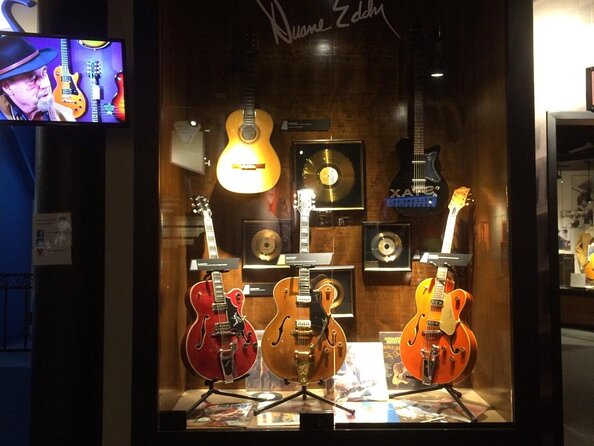
- Two museums in one ticket: Musicians Hall of Fame plus GRAMMY Museum Gallery access
- Iconic instruments and studio gear: including Joe Osborn’s Fender jazz bass and Jack’s Tracks Recording Studio control board
- A real Jimi Hendrix connection: access includes the original stage where a young Hendrix played
- Headphone-based interactive stations: electric drums, keyboard, bass, and guitar
- Behind-the-scenes music making: exhibits focused on songwriting, engineering, producing, plus a recording studio and rehearsal room
- Smallish group feel: this experience caps at 100 people
Musicians Hall of Fame in Downtown Nashville: What You’ll Be Looking At
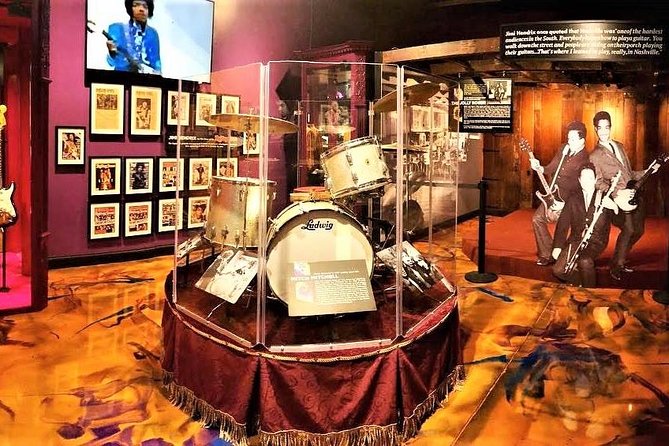
Start your visit in the Musicians Hall of Fame galleries, which are set up to show you the people behind the music—not just the artists you already know. The museum uses artifacts and instruments to tell a bigger story about performance, recording, and the studio craft that turns ideas into songs.
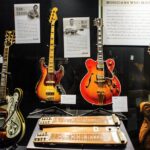
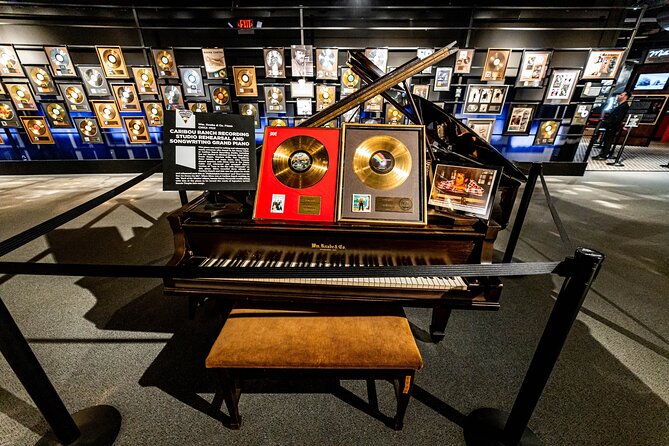
You can expect a lot of visual storytelling: guitars, basses, stage-related pieces, recording gear, and display panels that connect items to famous recordings. If you’re the type who likes to “spot the details” while you walk, you’ll have fun here because the museum does not treat the objects like generic decor. It ties them to specific songs and moments, which helps you connect listening with what’s physically in front of you.
The layout is also friendly for casual browsing. You’re not forced into one rigid path, so you can slow down at the exhibits that catch your eye. That matters because the museum’s real strength is variety—different eras and different kinds of music contribution, not just one narrow lane.
You can also read our reviews of more tours and experiences in Nashville


The $28 Ticket Value: Two Museums, One Walk, No Guesswork
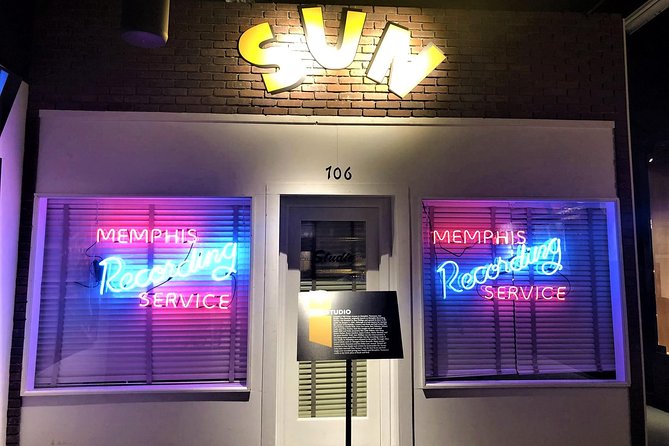
At $28 per person, this ticket is priced like a single-museum admission, but you’re getting a two-part experience. You’re paying for entry to the Musicians Hall of Fame and the GRAMMY Museum Gallery® (with interactive elements at both), which is a big part of why this works so well.
Here’s the practical value: if you’re coming to Nashville for a short trip, you often don’t want to spend half your day chasing tickets for separate attractions. This combines the “music artifacts” side and the “music creation” side into one stop. You’ll cover:
- famous instruments and stage connections (museum focus)
- hands-on audio/video interaction and studio processes (gallery focus)
You also get confirmation at booking and the experience operates Monday through Saturday, which helps you plan around your Nashville schedule. In plain terms, it’s a straightforward ticket for a music-first afternoon.
One more value point: the experience score is strong—4.7 out of 5 with 337 reviews, and 93% of visitors recommend it. That doesn’t replace your own taste, but it’s a good sign you’re not walking into a dud.
Walking Through the Musicians Hall of Fame: Instruments With Real Story Power
The Musicians Hall of Fame section is where the museum earns its keep. The displays emphasize instruments and artifacts tied to recognized recordings. You’re not just looking at old things—you’re seeing tools that shaped hits.
A highlight for many music fans is the exhibit centered on bass player Joe Osborn and his Fender jazz bass, listed as used on prominent songs by The Carpenters, The Mamas and the Papas, The Grass Roots, and Simon and Garfunkel. Even if you don’t know every session musician by name, you’ll recognize the impact once you see how the bass line fits into recognizable styles.
The museum also points to recording studio history. One of the standout described pieces is the control board from Jack’s Tracks Recording Studio, where Garth Brooks recorded many of his hits. That kind of detail helps you understand why the sound on a record feels consistent—engineering choices and studio tools are part of the music’s signature, not background trivia.
And yes, there’s a real stage connection too. The experience includes the original stage where a young Jimi Hendrix played. That moment is the kind of artifact visit you can’t fake. If you love Hendrix, it’s instantly meaningful. If you’re less into his work, it still gives you a tangible “then and there” feeling about how artists started.
The GRAMMY Museum Gallery: Headphones On, Make Your Own Noise
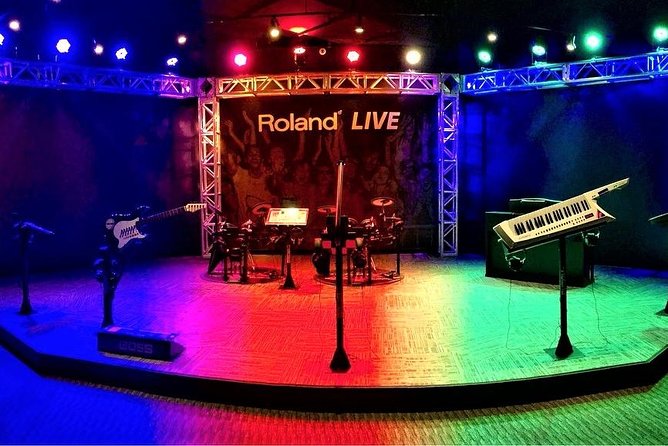
After you’ve soaked in the Musicians Hall of Fame displays, you’ll move into the GRAMMY Museum Gallery®—the part designed to get you participating. This is where the museum swaps passive viewing for active play.
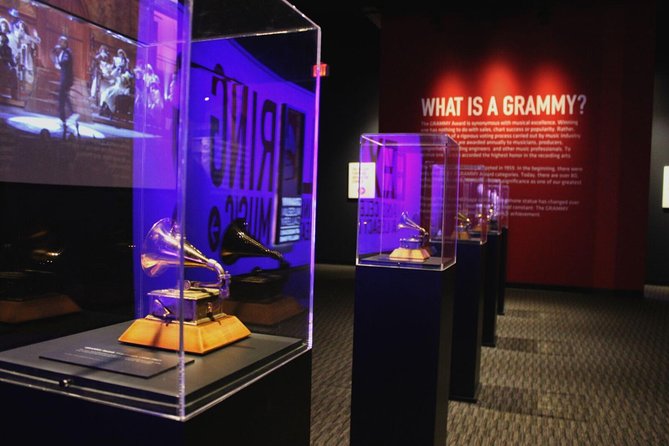
The gallery’s interactive stations use private headphones, which is a smart setup. You can try activities without turning the whole room into one loud jam session. You can play electric drums, keyboard, bass, and guitar, and you can even sing along—there’s a station linked to Ray Charles and the Raelettes. It’s the kind of experience that turns a museum visit into something you can actually do, not just watch.
If you like learning by doing, the GRAMMY side is built for you. You’ll get the feeling of music performance and arrangement in a personal way. Even if you’re not a musician, you can still leave with a sense of how rhythm, parts, and timing work together.
The gallery also includes interactive activities connected to singing, recording, and DJing. That matters because it broadens the experience beyond one narrow style of interaction. You can choose what kind of role you want to try—instrument player, vocalist, or someone playing with sound.
Behind the Scenes Exhibits: Songwriting, Engineering, Producing
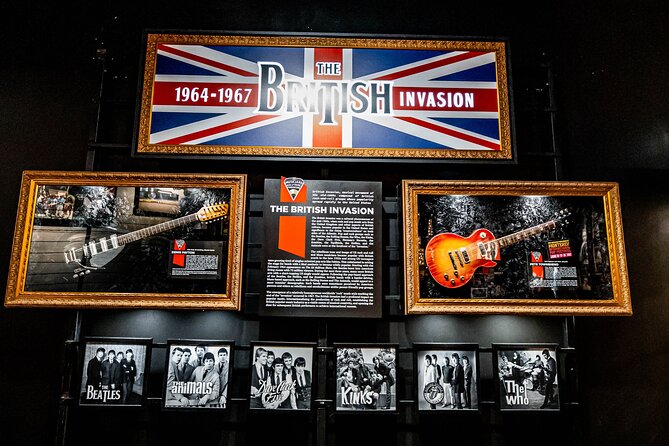
The GRAMMY Museum Gallery isn’t just “press buttons, have fun.” It also includes exhibits that explain the behind-the-scenes work that makes records happen.
You’ll find areas focused on songwriting, engineering, and producing. These sections are set up to show you what happens after the song is written: the booth work, the sound decisions, and the production steps that shape the final track.
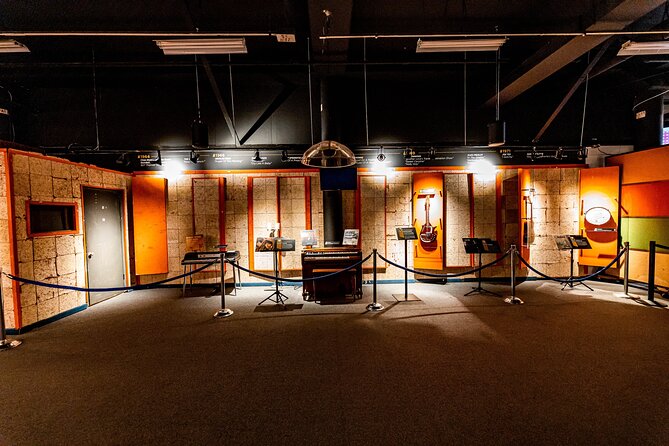
The museum goes further by including a recording studio and rehearsal room for a more complete experience. Even if you can’t do full sessions like professionals, you can still walk away with a better understanding of why the studio stage is its own world. That’s useful in Nashville because the city is about music—but many visitors only see the performance side. Here, you see the work side too.
You can also read our reviews of more museum experiences in Nashville



How Long You’ll Really Spend: 1 Hour vs. 3 Hours
The ticket duration is listed as about 1 to 3 hours, and the museum’s structure is the reason. If you’re doing a quick pass—reading only the biggest labels, skipping some interactive moments, and not lingering at films—you might come closer to the lower end.
But if you actually want to try the headphone stations and take your time with the artifact details, expect to drift toward the middle and possibly the upper end. Some visitors have described spending around an hour in the interactive area alone, especially if they had more time to play and sing.
My practical advice: treat this as a half-day stop in your plan, not a “quick in and out” errand. Pick this for a day when you can afford to slow down.
Getting There: Public Transit-Friendly, But Not Always Next Door to Broadway
You’ll find the museum is near public transportation, which is a plus in Nashville where parking can eat into your day. It’s also not hard to reach on foot from the lively center—some people note it’s about a 15-minute walk from the main drag.
That said, there’s a travel reality here: walking can be simple until you add a parking garage and distance. One consideration that comes up is that the walk from parking can feel long. If you hate long walks at the end of the day, prioritize transit or park closer than you think you need.
Plan for a downtown walking style: comfortable shoes, water if it’s warm, and a simple route. The museum isn’t trying to hide; it just isn’t glued to the busiest strip.
Who This Ticket Suits Best (And Who Might Want a Different Stop)
This experience fits best if you love the idea that music is both performance and process. You’ll enjoy it if you want to see instruments and artifacts connected to well-known recordings and then try interactive stations that turn listening into action.
It’s also strong for mixed groups. The GRAMMY gallery interaction (play instruments, sing along, try DJing-style activities) can keep teens and adults engaged in different ways, without everyone needing the same music background.
You might consider pairing it with something else if your main goal is the newest trends in music. There’s an observation that parts of the museum skew older, and if your personal taste centers on the latest chart era, you could feel less satisfied than someone who enjoys classic recording craft. The flip side is that if you love the roots of American music, the focus on iconic sessions and stage origins will feel like exactly your kind of fun.
Tips That Improve Your Visit
A few small choices make this smoother:
- Do the GRAMMY interactive last if you want maximum energy: after walking through artifacts, playing music can feel like the payoff
- Spend extra time at the big artifact anchors: the Joe Osborn bass, the Jack’s Tracks control board, and the young Hendrix stage connection are the kind of stops you’ll remember
- Use the reading labels as your control system: if you’re short on time, pick the labels tied to artists and songs you actually recognize
- Give yourself breathing room: some visitors have taken the full range toward 3 hours once videos and interactive play came into the mix
Should You Book This Nashville Music Ticket?
Book it if you want a single Nashville stop that blends iconic music artifacts with hands-on, headphone-based interaction. At $28, the value is strongest when you’ll actually use both halves: the Musicians Hall of Fame displays and the GRAMMY Museum Gallery activities.
Skip it (or rethink your priorities) if you’re only looking for the newest music gear and current chart culture. This experience is more about music making across time, with specific artifacts tied to legendary recordings and artists.
My verdict: this is one of the more reliable “music fan” choices in Nashville because it respects two kinds of visitors—people who love looking closely at instruments, and people who want to play, sing, and experiment. With a 4.7/5 average rating and a very high 93% recommendation rate, it’s an easy yes for anyone planning a music-focused day.
FAQ
What does the ticket include?
It includes admission to the Musicians Hall of Fame in Nashville and access to the GRAMMY Museum Gallery® interactive exhibits, plus the experience includes the original stage where a young Jimi Hendrix played.
How long should I plan for?
Plan for about 1 to 3 hours.
How much is it?
The price is $28.00 per person.
Is the experience in English?
Yes, the experience is offered in English.
What are the opening hours?
Hours are Monday through Saturday, 10:00 AM to 5:00 PM, during the listed operating period.
Is this ticket good for interactive fun or is it mostly looking?
It’s both. You’ll see instruments and artifacts, and you’ll also get hands-on activities in the GRAMMY Museum Gallery, including interactive stations you can use with headphones.
Can I play instruments or sing in the gallery?
Yes. The GRAMMY Museum Gallery includes interactive exhibits where you can play electric drums, keyboard, bass, and guitar, and you can also sing along.
Is it near public transportation?
Yes, it’s listed as near public transportation.
How big are the groups?
This experience has a maximum of 100 travelers.
Can I cancel for a refund?
Yes. You can cancel up to 24 hours in advance for a full refund.