REVIEW · NASHVILLE
Country Music Hall of Fame and Museum Admission
Book on Viator →Operated by Country Music Hall of Fame & Museum · Bookable on Viator
Country music isn’t just songs here, it’s a whole timeline. This modern Nashville museum is built for repeat visits, with state-of-the-art galleries and an easy-to-follow story from folk roots to today’s stars. You walk through a genre that changed America, then you leave with new context for the artists you already love.
I especially like the museum’s scale and organization. It spreads across two expansive floors in a facility known for serious collecting, including millions of archived items, plus multimedia displays that keep the pace moving. I also like the way it mixes eras, so you’re not stuck in one decade the whole time.
One consideration: it’s not a theme park. If you’re hoping for tons of hands-on, record-your-own-music style action at every turn, you may find more of the wow-factor comes from artifacts, video, and listening than from constant interactivity.
In This Review
- Key highlights at a glance
- A downtown Nashville must with big museum energy
- What you’re really paying for: galleries plus serious collecting
- The country music timeline: Sing Me Back Home to Dreaming My Dreams
- Artifacts, video, and sound: how the museum tells the story
- Hands-on moments: recording stations, the 40-foot guitar, and more
- Catch performances and films without turning your day into chaos
- Plan your time: 90 minutes vs. a full half-day
- Shopping and food on the same ticketed day
- Value check for the $31.95 ticket
- Who should book this museum admission
- Should you book this Country Music Hall of Fame ticket?
- FAQ
- How much does admission cost?
- How long should I plan to spend at the museum?
- Is the museum experience in English?
- What are the opening hours in 2026?
- Is this ticket self-paced or guided?
- Does the ticket include entry to the Country Music Hall of Fame and Museum?
- How large are groups for this experience?
- What if the weather is poor?
- What is the cancellation window?
Key highlights at a glance

- Two-floor experience spread across permanent and limited-engagement exhibitions
- 350,000 square feet of galleries plus classrooms, retail, and event space
- 2.5 million artifacts and a strong multimedia approach to storytelling
- Interactive stations including recording and songwriting areas, plus a 40-foot guitar
- On-site programs with 250+ activities each year, including theater-style performances
- Food and shopping in the building, so you can plan a full half-day without leaving
A downtown Nashville must with big museum energy
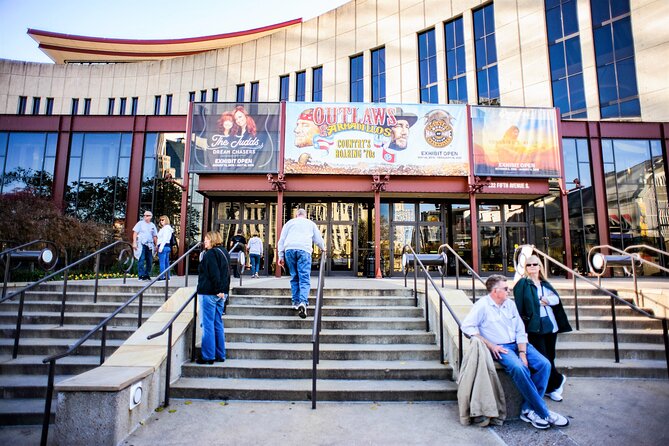
This is an admission ticket to one of Nashville’s anchor attractions: the Country Music Hall of Fame and Museum. It’s set up so you can enjoy it like a museum should be enjoyed—slow enough to read and listen, quick enough that you don’t feel stuck. Expect about 2 to 4 hours, depending on how much you stop for films, listening stations, and special exhibits.
The museum sits right in downtown, so it’s easy to pair with other Nashville plans. It also helps that the experience language is English, and it’s designed for “most travelers,” with service animals allowed. If you like walking through themed spaces with a clear path and helpful signage, you’ll feel at home here.
A small practical detail I appreciate: the experience is capped at 10 travelers. That often makes the overall feel calmer and more manageable, especially during check-in.
You can also read our reviews of more museum experiences in Nashville


What you’re really paying for: galleries plus serious collecting
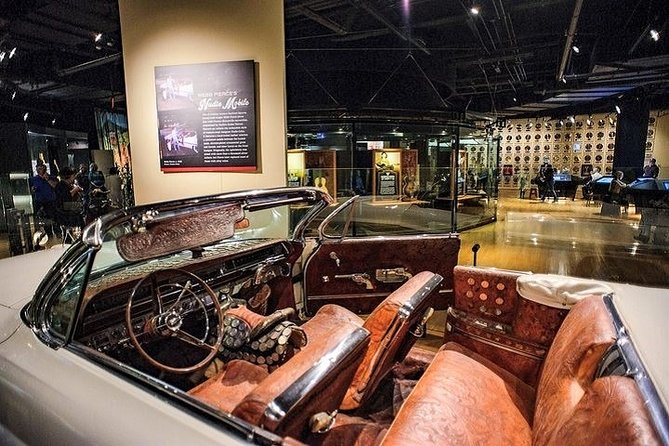
At $31.95 per person, the value isn’t just the building—it’s what’s inside it. The museum is known for safeguarding over 2.5 million artifacts, and the visitor experience is built to turn that collection into something you can actually understand. You’re not just looking at objects; you’re seeing how country music connects to American history and culture.
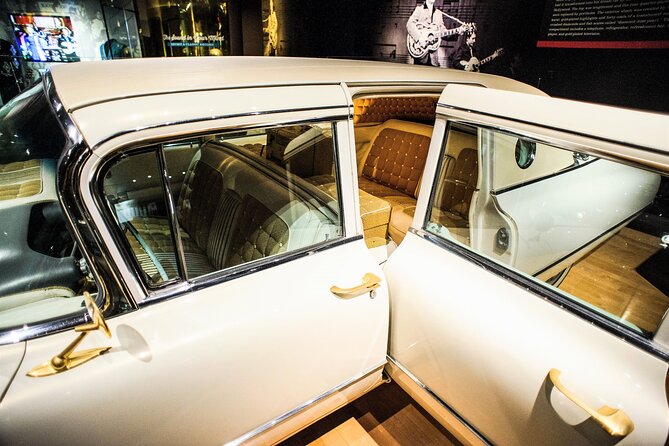
The museum is big: roughly 350,000 square feet. That size matters because it gives you room for multiple types of exhibits—objects, audio, video, and occasional interactive stations—without everything feeling cramped. It also means you can come for the artists you know and still leave with a wider view of how the genre evolved.
Inside, you’ll move through permanent and limited-engagement exhibitions across the two floors. The flow is organized around the evolution of country music, so it’s easy to follow even if you aren’t a deep-country-music expert.
The country music timeline: Sing Me Back Home to Dreaming My Dreams
One of the clearest strengths here is how it structures the story. You start with Sing Me Back Home: The Journey Begins, Folk Roots to the 1960s. This section focuses on the genre’s humble folk foundations and how it grows into a modern American sound by the 1960s.
Then you continue into Dreaming My Dreams: The Journey Continues, 1960s to the Present. This expansion added hundreds of new artifacts and multimedia elements, which is great news if you’ve visited Nashville before. Even if you only have half a day, this two-part approach helps you quickly build a mental map of how country music changed over time.
As you go, the museum uses biographical panels and audio to connect the dots between artists and eras. It highlights major figures across decades—from Jimmie Rodgers and Hank Williams, to Johnny Cash and Dolly Parton, and onward to names like Garth Brooks and Reba McEntire. That mix helps you understand country music not as isolated hits, but as a conversation across generations.
In the contemporary galleries, you’ll also see modern-era artifacts connected to artists such as Taylor Swift, Luke Bryan, Carrie Underwood, and Keith Urban. That’s useful if you want the museum to feel relevant, not stuck in the past.
Artifacts, video, and sound: how the museum tells the story

This is a multimedia museum, but it doesn’t replace the artifacts with screens. You’ll see hundreds of items paired with video footage and carefully selected sound recordings. That balance is key. If you only skim, you might miss the point of certain displays. If you slow down and listen, the exhibits start to feel more personal and more meaningful.
The museum also includes educational classrooms and special event space, which hints at why the experience feels so structured. It’s built to teach, not just to display.
A practical way to enjoy it: don’t treat each room as separate. Try to think in threads—how themes, styles, and songwriting approaches shift. Even if you’re not analyzing like a professor, the museum nudges you that way.
Hands-on moments: recording stations, the 40-foot guitar, and more
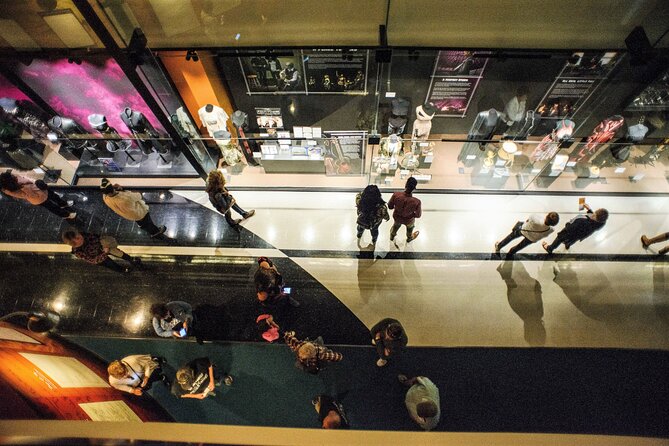
You do get interactive touches, and they help break up the museum reading and listening. The museum highlights things like recording and songwriting areas, interactive stations, music trivia, and a 40-foot guitar. If you enjoy “try it once” experiences inside museums, these are worth your time.
That said, the overall experience is still more history-and-memorabilia focused than action-heavy. Some people come in expecting the museum to feel like a game room. It isn’t. The interactive bits are there, but the main strength is how the exhibits explain the evolution of the music.
If you’re traveling with mixed ages, these hands-on stations can be the difference between a museum that feels long and one that feels like an adventure.






Catch performances and films without turning your day into chaos
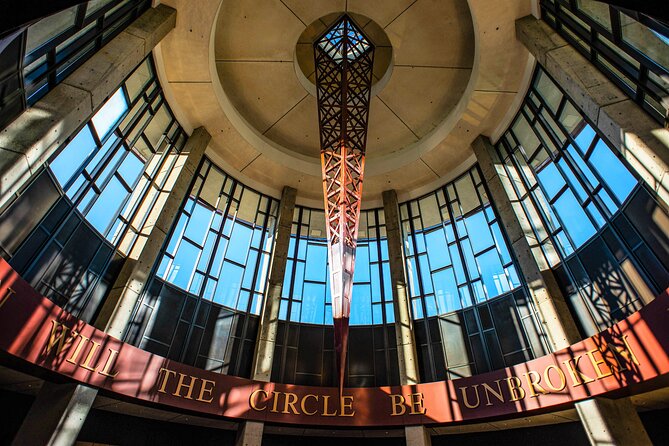
Country music history doesn’t stay quiet in this building. The museum offers over 250 programs and activities each year, and there are opportunities to experience live music and theater-style presentations on-site.
One thing worth doing is checking the program schedule when you arrive (or before you go, if you can). If a performance or film show lines up with your visit window, it turns your museum ticket into something closer to an event.
The museum also includes things like archived film opportunities and areas where music legends and renowned songwriters are part of the programming. Since the exact shows change, I’d build flexibility into your timing rather than locking yourself into a strict itinerary.
Plan your time: 90 minutes vs. a full half-day
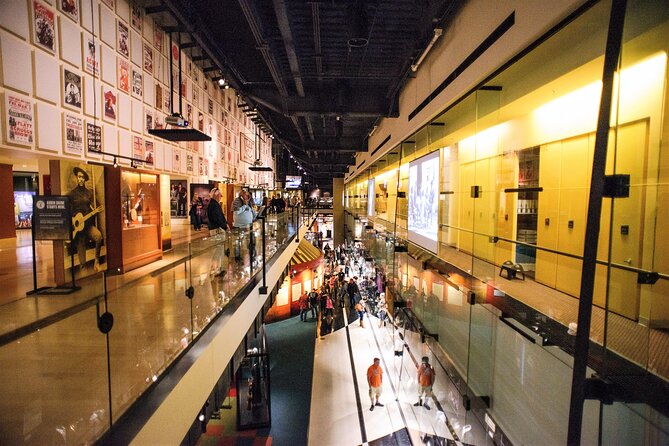
Expect you can do this faster or slower. Many visitors land around about 90 minutes, especially if you focus on the biggest highlights and skip deeper reading. If you want a more satisfying pace—watching films, sampling audio stations, and stopping at interactive displays—closer to 2 hours is a comfortable target. If you’re a superfan or traveling with someone who reads every panel, you can stretch it toward the full 4 hours.
Wear walking shoes. This is a lot of space. You’ll be on your feet moving between rooms, floors, and special areas.
Timing tip that’s practical: go earlier when you can. It tends to make the museum feel more comfortable and less crowded, and you’ll have more patience for the audio stations and exhibits that need you to stand and listen.
Also, be aware that indoor comfort can vary by season. Plan for the fact that you’ll be inside for a while, so bring a light layer if you’re sensitive to hot buildings.
Shopping and food on the same ticketed day
One underrated win: you don’t have to escape the museum grounds to eat or buy souvenirs. The property includes several shops and restaurants, including 2|22, Red Onion, and Bajo Sexto Taco, so you can build a whole half-day without fighting Nashville traffic.
There are also four shops on-site: The Museum Store, Circa, Hatch Show Print, and the Haley Gallery. This is where the trip becomes more than just viewing. You’ll find books, music, museum souvenirs, locally made gifts, and country lifestyle apparel. If you like poster culture or print history, the Hatch Show Print stop is an especially nice “take a piece of Nashville home” moment.
If you’re picky about what you buy, browse the shops once before you commit. Your favorites will often become clearer after you’ve seen the exhibit sections they connect to.
Value check for the $31.95 ticket
So is it worth $31.95? For me, the value comes from three things.
First, you’re paying for a museum-sized experience: two floors, lots of multimedia, and organized learning across decades. Second, the price covers access to a place that’s tied to an enormous archive—meaning the exhibits are built to explain the genre, not just show famous names. Third, the on-site food and shopping make it easier to turn the ticket into a complete block of time.
If you’re only in Nashville for a day or two, this ticket is a strong use of time because it compresses a lot of country-music context into one place. If you’re the type who skims museums or skips listening stations, you may feel the cost more than you’d like. If you’re willing to slow down, listen, and read the key stories, the ticket starts to make a lot more sense.
Who should book this museum admission
Book it if you:
- love country music and want a clear, era-by-era structure
- want to understand how today’s stars connect to earlier legends
- enjoy museums with audio, video, and artifacts (not just photos)
- need a solid indoor activity in downtown Nashville
You might rethink it if you:
- hate reading museum panels and mostly want hands-on action
- have very limited time and prefer a shorter, more guided experience
- are only interested in one artist or one decade and don’t want a broader survey
Should you book this Country Music Hall of Fame ticket?
If you’re even a casual country fan, this is one of the best “one stop” experiences Nashville offers. The museum’s mix of artifacts, sound recordings, and organized timeline exhibits gives you a fast path to understanding the genre, and the on-site food and shopping make it easy to turn the visit into a full half-day.
My advice: book ahead if you can. This experience is commonly reserved about 22 days in advance, so earlier plans can keep your schedule smoother. Then arrive with at least 2 hours in mind, leave room for a performance or film if one fits your day, and you’ll come away with the kind of context that makes Nashville’s music scene click.
FAQ
How much does admission cost?
The admission ticket costs $31.95 per person.
How long should I plan to spend at the museum?
Plan on about 2 to 4 hours, depending on how much you stop for audio, video, and interactive stations.
Is the museum experience in English?
Yes, the experience is offered in English.
What are the opening hours in 2026?
The museum is open 9:00 AM to 5:00 PM, Monday through Sunday, across 01/01/2026 to 12/31/2026.
Is this ticket self-paced or guided?
The experience is presented as an admission ticket to the museum, and many visitors treat it like a self-guided visit through the exhibits.
Does the ticket include entry to the Country Music Hall of Fame and Museum?
Yes. Country Music Hall of Fame and Museum admission is included with the ticket.
How large are groups for this experience?
This experience has a maximum of 10 travelers.
What if the weather is poor?
This experience requires good weather. If it’s canceled due to poor weather, you’ll be offered a different date or a full refund.
What is the cancellation window?
You can cancel for a full refund up to 24 hours in advance of the experience start time.