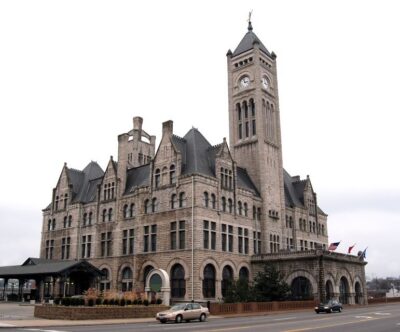
REVIEW · NASHVILLE
Civil Rights Tour Of Nashville
Book on GetYourGuide →Operated by United Street Tours - Nashville · Bookable on GetYourGuide
Nashville’s Civil Rights story is easy to miss. This tour puts it front and center, with a guided walk through places tied to non-violent protests and the sit-ins that helped reshape the country. If you came for country music, you’ll leave with a fuller map of Music City—and a sharper view of what activism can look like in real life.
I especially liked the focus on specific, in-the-moment locations like the Woolworth lunch counter. You also get strong storytelling from the guide, including Chiquita’s clear, inspiring way of explaining how the movement was organized and sustained.
One consideration: it’s built around a walking format, and the advice is to wear comfortable shoes. If you need wheelchair-friendly routing, pay close attention to the mixed accessibility notes and confirm directly before you go.
In This Review
- Key Things I’d Prioritize
- Civil Rights in Music City: Why This Tour Feels Different
- How the 2-Hour Walking Format Actually Works
- Woolworth Lunch Counter Sit-Ins: Where the Story Turns
- Former Woolworth Sites and the New Woolworth
- Nashville Public Library Civil Rights Room Stop
- How the Guide Connects Past Protests to Today’s Equality Talks
- Chiquita’s Storytelling Style: Clear, Human, and Inspiring
- Price and Value: Is $298 per Person Worth It?
- Who Should Book This Civil Rights Tour?
- Quick Practical Tips Before You Go
- Should You Book Civil Rights Tour Of Nashville?
- FAQ
- How long is the Civil Rights Tour of Nashville?
- Where do I meet the guide?
- What’s included with the ticket?
- Is the tour a walking tour?
- Is the tour offered in English?
- How much does it cost?
- What should I bring?
- Is it refundable if my plans change?
- Is the tour wheelchair accessible?
Key Things I’d Prioritize

- Woolworth lunch counter sit-ins: you sit with the story at the actual place where the sit-ins happened
- Off-the-beaten-path stops: you’ll see rare sights and better photo angles than a generic downtown loop
- The Nashville Public Library Civil Rights room: a focused stop that ties the local story to bigger national themes
- Then-and-now discussion: you’ll draw parallels between past protests and today’s diversity and inclusion conversations
- Chiquita’s guide style: highly praised for both warmth and clarity when explaining tough history
Civil Rights in Music City: Why This Tour Feels Different
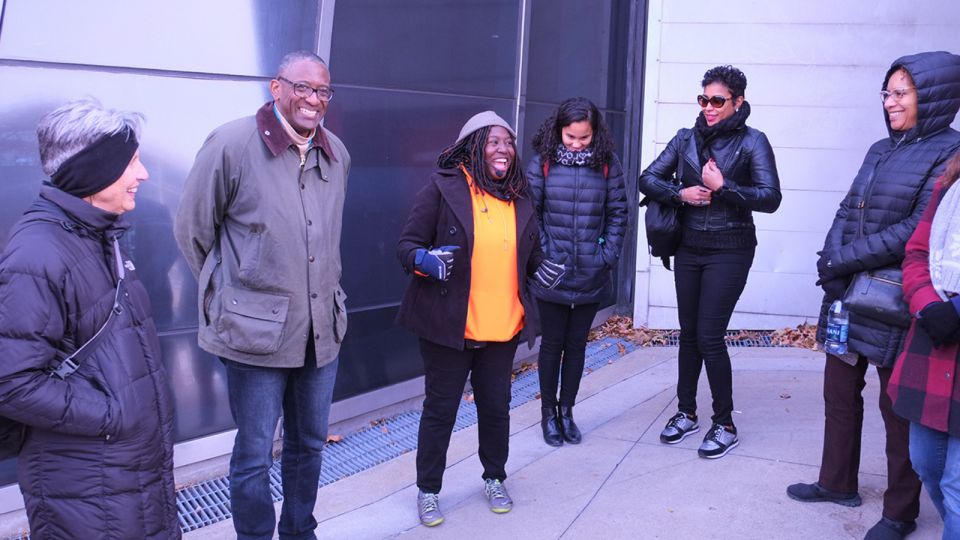
Nashville is famous for country music. But it also had a quieter, crucial role in the Civil Rights Movement—especially in the 1950s and 1960s. What makes this tour compelling is that it frames Nashville not as a backdrop, but as a place where students and local communities pushed forward non-violent protests with real planning behind them.
I like that the experience doesn’t treat Civil Rights as a distant chapter in a textbook. It’s presented as something that happened here, with people who organized, refused to back down, and demanded equality. The tour also makes room for the emotional weight of the story—without turning it into a lecture you can tune out.
And because the guide brings up parallels to what’s happening now around race and equality, you don’t just learn facts. You practice seeing how civic courage connects across time.
You can also read our reviews of more tours and experiences in Nashville.



How the 2-Hour Walking Format Actually Works
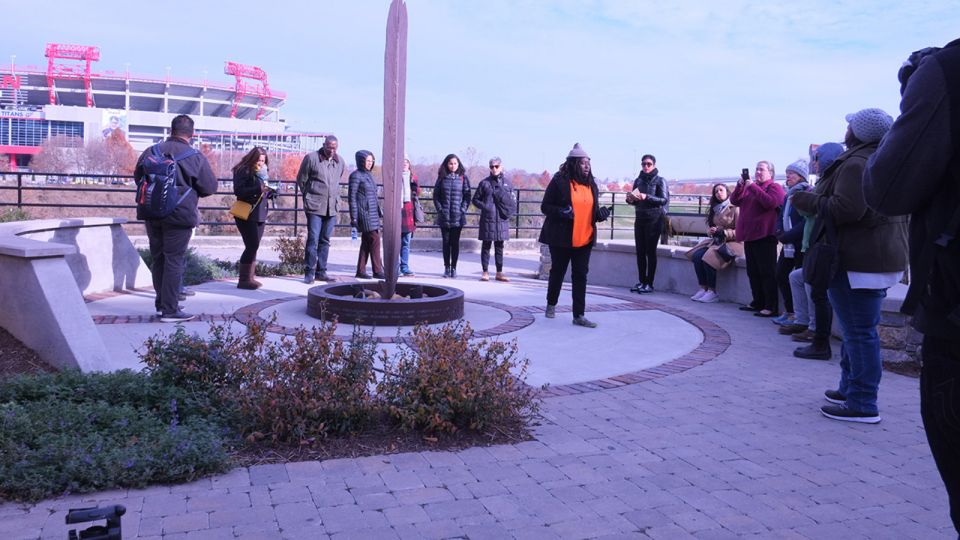
This is scheduled for about 2 hours, and the walking portion is described as roughly 1.5 hours. In other words, you’re not stuck in a long outdoor grind. You get a structured route, plus time for the key stops where the story is meant to land.
The meeting point is easy to find: meet by the front door of the Nashville Visitor Center, 501 Broadway. That matters because downtown can feel like a maze when you’re arriving from out of town. Starting at a central visitor hub makes the tour easier to plug into your day.
You’ll want to plan around being on your feet. The activity guidance is simple: bring comfortable shoes. That’s the one practical takeaway that affects your whole experience.
Woolworth Lunch Counter Sit-Ins: Where the Story Turns

If there’s a single highlight that anchors the tour, it’s the infamous Woolworth lunch counter. This is the place tied to the sit-ins, and the tour doesn’t treat it like a photo opportunity you quickly pass. You’ll actually sit with the story and hear what made the sit-ins matter—how they were carried out, why they worked, and what they demanded from the world around them.
What I like about this stop is its clarity. It gives you a tangible point of reference for a complicated period. When you can connect protest tactics to a specific place—rather than vague ideas—you understand how change actually gets forced into public view.
There’s also a thoughtful design choice here: you’re not only hearing about conflict. You’re hearing about the organization and commitment that made the confrontation possible in the first place. That’s the part that sticks with you after the walk.
Former Woolworth Sites and the New Woolworth
The tour also points out how the Woolworth story continues in Nashville. You’ll see the former Woolworths and then the new Woolworth, described as representing the change activists fought for.
This is more than nostalgia. It’s a reminder that history doesn’t just sit in the past. Buildings and public spaces get altered because people pushed hard enough to make them. Even if you’re not a history nerd, that angle helps you understand how movements translate into visible outcomes.
For photography, this is one of the best sections for quick, meaningful shots. You’re capturing more than street scenery—you’re capturing a location layered with story.
Nashville Public Library Civil Rights Room Stop
Another stop people come away talking about is the Nashville Public Library, specifically the Civil Rights room. The tour’s mention of this room stood out because it’s not just an outdoor stop or a quick glance. It’s a focused, intentional visit tied to the Civil Rights Movement theme.
Why that matters: a tour like this can easily become all streets, all sidewalk storytelling. But a room like this gives you a quieter place to absorb what you’ve learned. It also helps explain that Civil Rights wasn’t only about protests. It also involved documentation, memory, and community preservation—so the story can’t be erased or simplified later.
If you want a tour that balances emotional impact with context, this stop helps do that.






How the Guide Connects Past Protests to Today’s Equality Talks
One promise of the tour is that it explores parallels between what happened then and what’s happening now—especially around diversity and inclusion. That doesn’t mean the guide pretends history repeats exactly. The point is sharper: the Civil Rights Movement is part of American history, not only African American history, and it still shapes how people think about rights and fairness.
I like when a history tour makes you take one step forward instead of leaving you with only facts. The tour nudges you toward renewed activism around race and equality, not as a vague moral, but as a call to pay attention to what civic action looks like in your own time.
Even if you disagree with someone politically, this section can still be useful. You’ll leave with questions that feel worth carrying—like how communities organize, how non-violent tactics are sustained, and what it takes to keep pushing when change is slow.
Chiquita’s Storytelling Style: Clear, Human, and Inspiring
The reviews have a consistent theme: the guide can make or break a history tour. In this case, Chiquita is repeatedly praised for being a great storyteller. People also highlight her ability to explain the lunch counter sit-ins and the behind-the-scenes organization that made them happen.
That matters because the Civil Rights Movement can be overwhelming at first glance. If a guide just lists dates and slogans, it becomes harder to feel the human effort. Chiquita’s approach, as described, focuses on how the movement worked in practice—how people stayed organized, how courage was maintained, and why the strategy mattered.
I also like that the storytelling supports empathy. It’s not just inspiration as a buzzword. It’s grounded in what activists actually did and how they built momentum.
Price and Value: Is $298 per Person Worth It?
At $298 per person for about 2 hours, this isn’t a budget activity. So you should decide based on what you want from Nashville. If you want a quick city walk and a few photos, there are cheaper options.
But if you care about guided interpretation of high-impact sites, the value equation improves. You’re paying for a professional guide and for entrance fees if applicable, plus access to stops that many casual visitors either skip or miss entirely. The tour also claims an off-the-beaten-path approach, which typically means you’re not just doing a “greatest hits” loop.
For me, the price makes sense when you’re the kind of person who likes to understand what you’re looking at. If you’d rather wander independently, you might get less out of it. If you want a focused, story-led route through key Civil Rights locations, this is priced in a way that matches that goal.
Who Should Book This Civil Rights Tour?
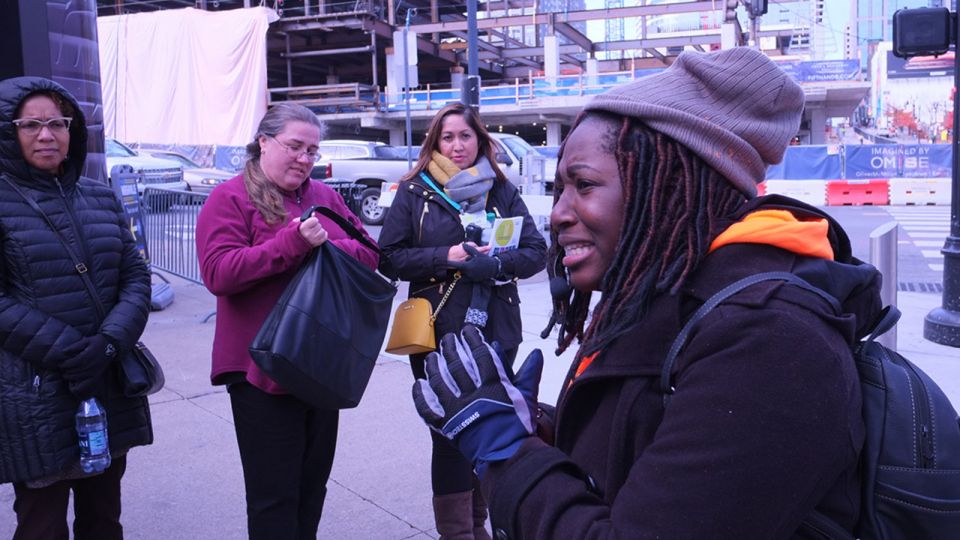
This experience is a good fit if you:
- Want Nashville history that goes beyond music and downtown icons
- Like walking tours where the guide does the heavy lifting on context
- Appreciate non-violent protest stories and the practical mechanics of activism
- Want a mix of outdoor locations and an indoor Civil Rights room stop
- Prefer an English-language guide with a storytelling approach
It might be less ideal if:
- You want minimal walking or you have mobility limits that make city sidewalks tough
- You’re uncomfortable with emotionally heavy Civil Rights content
Also note the accessibility information includes wheelchair accessibility language, but it separately says it’s not suitable for wheelchair users. If you’re in a wheelchair, the safest move is to confirm details with the provider before you book.
Quick Practical Tips Before You Go
- Wear comfortable shoes. The tour is walking-based, and you’ll enjoy it more without foot pain.
- Plan for a 2-hour commitment. Bring enough time before or after to avoid rushing.
- Meet at 501 Broadway at the Nashville Visitor Center front door so you can start on time.
- Bring curiosity. The tour is designed to help you connect local sites to bigger national change.
If you’re trying to fit it into a busy Nashville schedule, this is also one of those experiences that adds depth fast. You won’t need a whole day to understand the Civil Rights chapter—you’ll get the essentials in one focused outing.
Should You Book Civil Rights Tour Of Nashville?
I’d book it if you want Nashville without blinders—music included, but not limited to music. The tour’s strongest advantages are the Woolworth lunch counter sit-ins stop, the inclusion of the Civil Rights room at the library, and the guide-led storytelling praised for clarity and inspiration.
I wouldn’t book it if you’re looking for a casual, low-cost history walk or you can’t comfortably handle a walking format. And if accessibility is part of your planning, confirm the practical realities with the provider first due to the mixed notes.
Overall, this tour is a smart choice for anyone who wants to understand how Nashville connects to the Civil Rights Movement—and how that story still matters in conversations about equality today.
FAQ
How long is the Civil Rights Tour of Nashville?
The tour is listed as lasting 2 hours.
Where do I meet the guide?
Meet by the front door of the Nashville Visitor Center at 501 Broadway.
What’s included with the ticket?
The tour includes a professional guide and entrance fees if applicable.
Is the tour a walking tour?
Yes. It’s described as a walking tour, with about 1.5 hours of walking time.
Is the tour offered in English?
Yes, the live tour guide speaks English.
How much does it cost?
The price is listed as $298 per person.
What should I bring?
Bring comfortable shoes.
Is it refundable if my plans change?
Free cancellation is offered up to 24 hours in advance for a full refund.
Is the tour wheelchair accessible?
Accessibility information is mixed: it’s listed as wheelchair accessible, but it also says it is not suitable for wheelchair users. It’s best to confirm details directly before booking.