
REVIEW · NASHVILLE
Civil Rights Walking Tour of Nashville
Book on Viator →Operated by United Street Tours · Bookable on Viator
Civil rights in Nashville hits different when you hear the stories out loud. This 2-hour walking tour pairs major stops with a guide’s on-the-ground perspective, so you understand what you’re looking at instead of just passing it.
I especially like the mix of places on foot, from outdoor memorial-style space to a central downtown courthouse and the National Museum of African American Music. It’s also a format that fits cleanly into a full day of sightseeing, and the small group size helps you ask questions without shouting over a crowd.
One thing to consider: the route is part walk, part brief indoor time, and it’s best if you’re comfortable with a moderate pace for about two hours.
In This Review
- Key things you’ll remember
- Meeting at the Nashville Visitor Center and getting oriented fast
- United Street Tours: why the guide changes everything
- Stop 1: United Street Tours as your launching point
- Stop 2: The Witness Walls and the power of place
- Stop 3: Davidson County Courthouse and civic systems you can see
- Stop 4: National Museum of African American Music as living context
- Timing and pacing: 2 hours that don’t feel rushed
- Who this tour is best for (and who may want something else)
- Practical tips to get more out of every stop
- Value for your money: what you’re really paying for
- Should you book the Civil Rights Walking Tour of Nashville?
- FAQ
- Where does the tour start and where does it end?
- How long is the Civil Rights Walking Tour of Nashville?
- Is the tour offered in English, and do I get a mobile ticket?
- What’s included in the tour price?
- Is hotel pickup or drop-off included?
- Are food and drinks provided?
- What’s the maximum group size?
- Are service animals allowed?
- Can I cancel or change my booking for a refund?
Key things you’ll remember
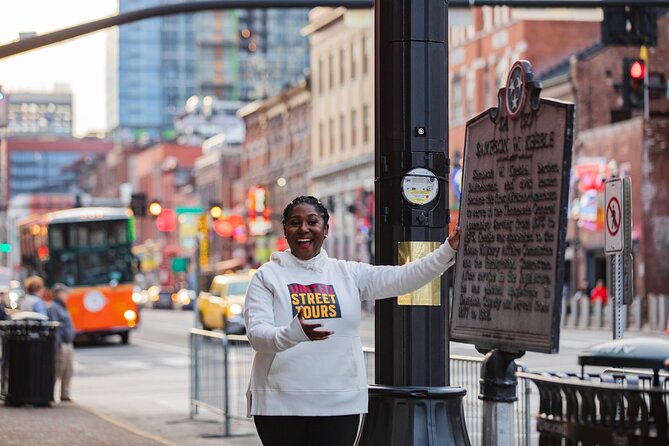
- Small group size (max 30) makes the tour feel more personal than a big bus stop-and-go.
- A guide with both lived perspective and history helps details click instead of staying abstract.
- Witness Walls stop gives the movement a human scale you don’t get from a textbook.
- Davidson County Courthouse viewpoint focuses attention on how civic systems shaped outcomes.
- National Museum of African American Music ties civil rights to culture and community, not just politics.
- Mobile ticket and a central meeting point keep logistics simple.
Meeting at the Nashville Visitor Center and getting oriented fast
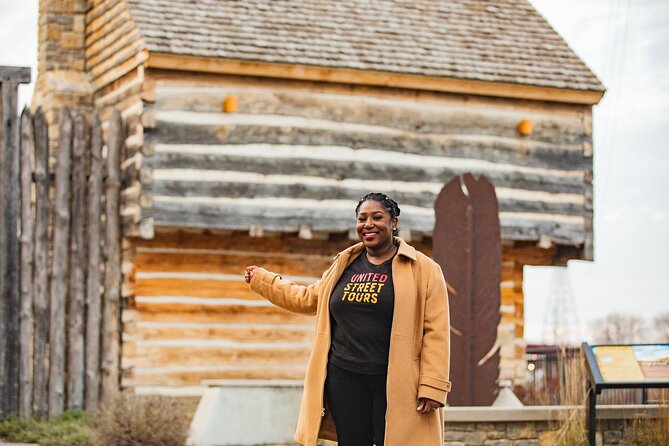
If you want your day to run smoothly, start here. The tour meets at the Nashville Visitor Center, 501 Broadway, right in the downtown core. That’s a smart choice because you don’t have to solve a complicated “where do we park?” puzzle before you even begin learning.
You’ll also use a mobile ticket, which is handy if you’re bouncing between museum tickets and transit passes. Confirmation comes within 48 hours of booking, subject to availability, so it’s worth booking in advance if your dates are tight.
The tour ends downtown as well. That matters because it means you can keep moving—grab a meal, hit another attraction, or just wander—without feeling stranded at the edge of the map. Expect the tour to be guided the whole way, so you’re not left trying to piece together what each stop is supposed to mean.
And yes, it’s a walk. The activity calls for moderate physical fitness, so plan on wearing comfortable shoes and moving at a steady pace for about two hours.
You can also read our reviews of more walking tours in Nashville



United Street Tours: why the guide changes everything
This is one of those tours where the guide really matters. The experience includes a professional guide, and the best feedback centers on how they explain things in a way that feels both personal and factual.
One highlight from the tour experiences: you’ll get more than dates and landmark facts. You’ll hear a guide’s own perspective alongside the larger historical story, which helps the stops feel connected rather than like separate checkboxes.
You may also notice the energy level. Guides like Lauren come across as engaging and fun to be with, and that matters on a civil rights tour—because you’re processing serious material. A good guide keeps you moving, explains clearly, and adds context so you can follow the thread without getting overwhelmed.
The tour has a maximum of 30 travelers, which is big enough to feel like a shared group experience but small enough that you’re not lost in the back row. It’s the sweet spot for asking a quick question when something clicks or when something doesn’t.
Stop 1: United Street Tours as your launching point
The first stop is listed as United Street Tours, which works as a “warm start.” Even if you arrive already knowing some Nashville civil rights moments, this opening segment helps you focus your eyes for what comes next.
I like tours that set expectations early. It prevents the common problem where you walk into a meaningful site and your brain is still catching up to what you’re supposed to notice. Starting with United Street Tours helps you get ready for the tone of the walk: guided, story-driven, and centered on the civil rights context.
If you’re the type who likes to know what you’re looking at before you look, this opening helps. If you prefer to just experience the city in motion, it still works because it gets you oriented without turning the day into a lecture.
Stop 2: The Witness Walls and the power of place
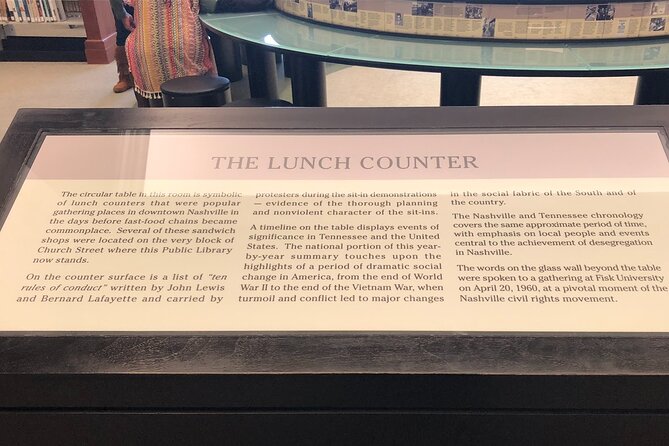
Then you get to The Witness Walls, one of the most important parts of the tour experience. This is where the tour does something that’s hard to do on your own: it ties public space to meaning.
Memorial-style spaces can be tricky. From the sidewalk, you might see what’s there, but you may not automatically grasp why it’s arranged this way or what the stories are pointing to. On this walk, the guide helps you read the space—what it’s meant to remember, and how it connects to the civil rights movement in Nashville.
This stop is also a reminder that civil rights history isn’t only something you read. It’s something the city marks in stone, art, and public attention. I like that the tour gives you permission to slow down here. You’re not racing the clock or sprinting through photos; you’re learning what to notice.
Practical tip: plan for a bit of standing and looking while the guide explains. If you’re sensitive to waiting in one spot, bring a mindset for “short stop, long attention.”
Stop 3: Davidson County Courthouse and civic systems you can see
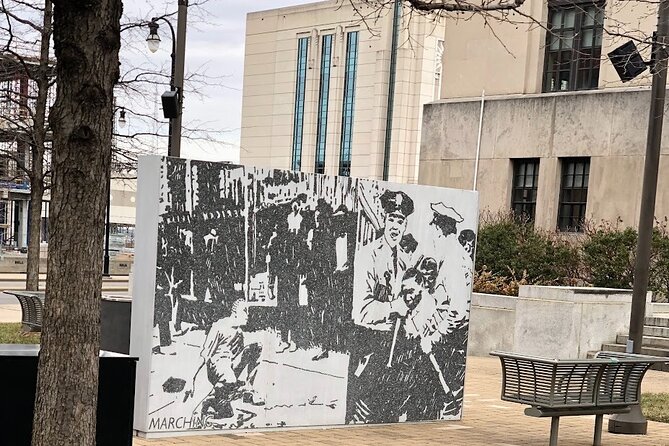
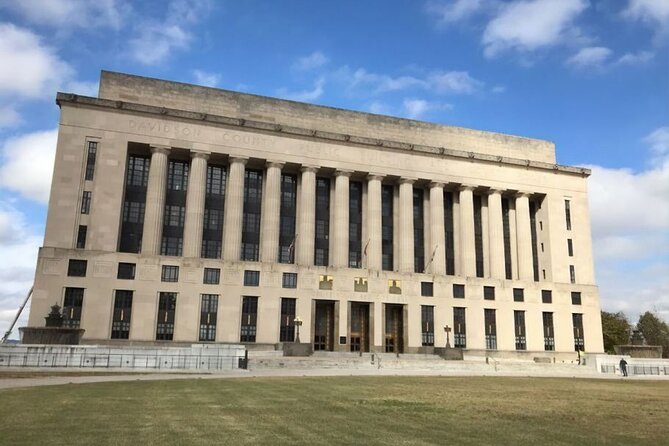
Next comes the Davidson County Courthouse. Courthouses are one of those places that feel self-explanatory until you slow down. Then you realize how much power is embedded in civic buildings—who had access, who had voice, and how decisions played out in real life.
On this tour, the courthouse stop isn’t just architecture appreciation. It’s treated like a story scene. I like that approach because it keeps the lesson grounded. You’re not just hearing about movement leaders and protests; you’re also seeing where authority operated.
This is where a guide’s tone helps. A strong guide explains the human stakes without turning it into dry courtroom talk. The aim is clarity: you should walk away understanding how the legal and civic environment influenced what people could do—and what they fought against.
Possible drawback: if you were expecting only murals and street-level storytelling, a courthouse stop can feel more formal. But that contrast is part of the value. Civil rights history isn’t just art on walls; it’s also systems, procedures, and institutions.






Stop 4: National Museum of African American Music as living context
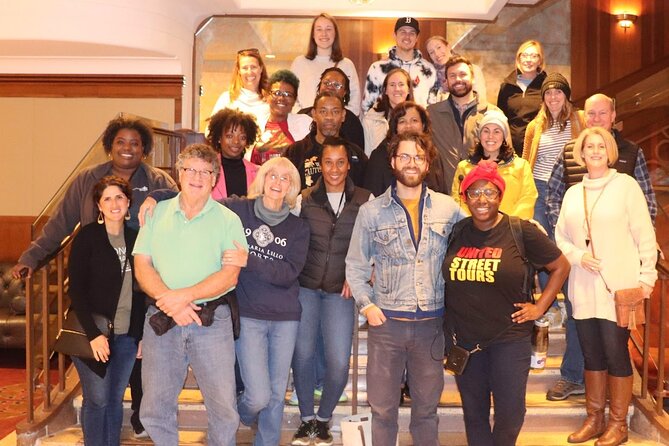
The final landmark is the National Museum of African American Music. This stop adds a different flavor to the tour: civil rights history through culture, community, and expression.
I like tours that show connections across categories. Music is more than entertainment; it’s communication, identity, and often a form of collective strength. Having the tour end at a museum focused on African American music helps you see that the movement wasn’t limited to headlines and marches. It lived in everyday life—how people gathered, expressed themselves, and built community.
The museum also gives you a structured learning environment, which is great after a walking portion. It’s a chance to reset your brain, take in information at your own pace for a bit, and leave with something you can revisit later.
If you’re a “museum-first” person, this is a smart way to blend street-level learning with indoor context. And if you’re not a big museum person, don’t worry: the tour guide helps you understand what you’re seeing, so it doesn’t feel random.
Timing and pacing: 2 hours that don’t feel rushed
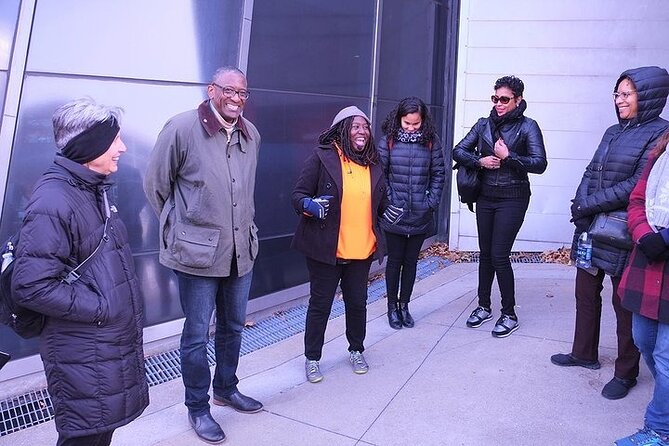
A lot of walking tours either drag or sprint. This one is built around a 2-hour window, and the pacing is often praised as well paced and diverse in its experiences—moving from murals to historic sites and then into an indoor learning moment.
That range is practical. If everything were outdoor only, you’d be cooked by heat or stuck in wind. If everything were indoor only, you’d miss the sense of walking through a real neighborhood. Here, the blend keeps it manageable and keeps your attention from getting stale.
Group size plays into this too. With a maximum of 30, it’s easier for the guide to manage the flow and for you to hear explanations without constantly adjusting your position.
My advice: treat the tour like a guided primer. After it ends, you’ll understand what you’re seeing better on your own. That’s the point of a good history walk—so later stops, photos, and conversations start making sense.
Who this tour is best for (and who may want something else)
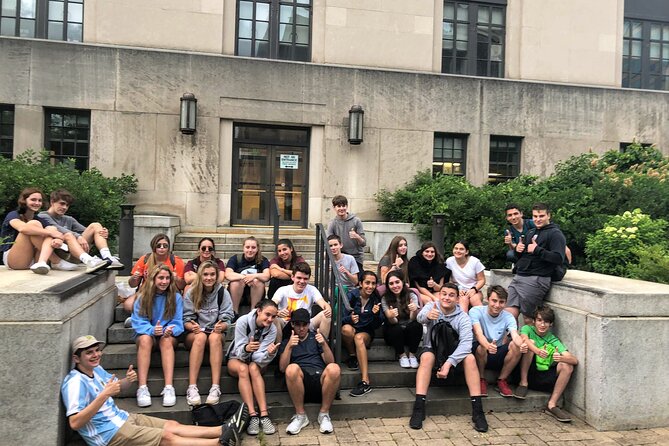
This Civil Rights Walking Tour of Nashville is a strong fit if you want:
- a structured way to understand Nashville’s civil rights story in a short time
- a guide who brings both context and personality to the material
- a walk that pairs outdoor landmarks with museum-level learning
It’s also good if you’re traveling with someone who enjoys history but doesn’t want to spend a full day on a single topic. The tour is designed to slot into a day of sightseeing.
If you need a fully relaxed pace with lots of long stops, you might want to think twice. It’s moderate and time-boxed, so you’ll be moving between points fairly regularly. Also, if you only want the most famous photo spots, you may find some moments more interpretive than expected. But that’s usually what makes the tour memorable.
Practical tips to get more out of every stop
Here’s how to make this tour work for you:
- Wear comfortable shoes. You’re on foot for about two hours.
- Bring a phone with your mobile ticket ready to show.
- If you get cold or warm easily, dress in layers. Nashville weather can change quickly, and walking tours don’t pause much.
- Have one question in mind before you start. A civil rights tour goes deeper when you ask something specific, even a simple one.
You’ll also want to set expectations for how the day feels. This isn’t a “look and go” sightseeing loop. It’s built around guided storytelling and guided viewing, so your best experience comes when you lean in and listen.
Value for your money: what you’re really paying for
There’s no single trick here—value comes from the combination. You’re paying for a professional guide plus a route that uses multiple meaningful stops to build understanding fast.
Even without knowing exact pricing, here’s what makes it feel like worthwhile value for many visitors:
- Short duration (about 2 hours) means you’re not giving up an entire day.
- Multiple stop types (memorial-style space, courthouse, museum) give you varied learning.
- Small group size makes it easier to hear and engage.
- The guide experience is repeatedly highlighted as enthusiastic and engaging, which often makes or breaks history tours.
If you’re the DIY type, you can read about these places. But doing it on your own usually means you miss the “why this matters here, right now” layer. This tour is designed to supply that layer quickly.
Should you book the Civil Rights Walking Tour of Nashville?
I’d book it if you want your Nashville visit to include civil rights context in a way that actually helps you interpret what you’re seeing. The standout for me is the guide-led storytelling—especially the way it combines historical perspective with a more personal lens. If you’re short on time but don’t want to sacrifice depth, this fits.
I’d think twice if you dislike walking tours or if you need long seated breaks. Also, go in expecting a mix of experiences—outdoor stops, civic landmarks, and an indoor museum finish—so the day doesn’t catch you by surprise.
If your schedule allows just one guided history experience in downtown Nashville, this is a solid choice.
FAQ
Where does the tour start and where does it end?
The tour starts at Nashville Visitor Center, 501 Broadway, Nashville, TN 37203, USA. It ends downtown in Nashville, TN, USA.
How long is the Civil Rights Walking Tour of Nashville?
The tour runs for about 2 hours.
Is the tour offered in English, and do I get a mobile ticket?
Yes, the tour is offered in English. You’ll also receive a mobile ticket.
What’s included in the tour price?
The tour includes a professional guide.
Is hotel pickup or drop-off included?
No. Hotel pickup and drop-off are not included.
Are food and drinks provided?
No. Food and drinks are not included.
What’s the maximum group size?
The tour has a maximum of 30 travelers.
Are service animals allowed?
Yes, service animals are allowed.
Can I cancel or change my booking for a refund?
No. The experience is non-refundable and cannot be changed for any reason.
If you want, tell me your travel month and whether you prefer mostly outdoors or mostly museums, and I’ll suggest the best way to pair this with the rest of your Nashville day.