REVIEW · NASHVILLE
Nashville Black History & Civil Rights Trail Tour
Book on Viator →Operated by United Street Tours · Bookable on Viator
Lower Broadway tells a fuller Nashville story. This 2-hour guided walk focuses on black history and civil rights themes right where you’re already headed in downtown—on Lower Broadway, Nashville’s most visited street. I especially liked the live guide format, which keeps the story human and specific, and the way the walk stays tight and doable in a short visit. One guide name that comes up in standout feedback is Chakita Patterson, praised for being energetic and for pointing out both the facts and the controversies.
One thing to think about first: this experience is set up for people with a moderate physical fitness level and it depends on good weather. If you’re hoping for a sit-down museum vibe, this is more of a streets-and-sidewalks kind of learning.
In This Review
- Key highlights to know before you go
- Lower Broadway Civil Rights Tour: the point of the walk
- Where you start on 501 Broadway and how to find your bearings
- The route’s core idea: black history first, on the street you already know
- What you’ll do during the walk (and what you won’t)
- The guide matters: energy, context, and names you may remember
- Admission and fees: how the value math works for a short tour
- Pace, weather, and comfort: plan like a local
- Who this is for (and who might want a different type of tour)
- Getting more out of Nashville after the tour
- Should you book it? My take
- FAQ
- How long is the Nashville Black History & Civil Rights Trail Tour?
- Where does the tour start?
- Is this a walking tour or does it include transportation?
- Is there a mobile ticket?
- What language is the tour offered in?
- Are entrance fees included?
- Does the tour include pickup or drop-off?
- How big is the group?
- What is the weather policy?
- Is free cancellation available?
Key highlights to know before you go
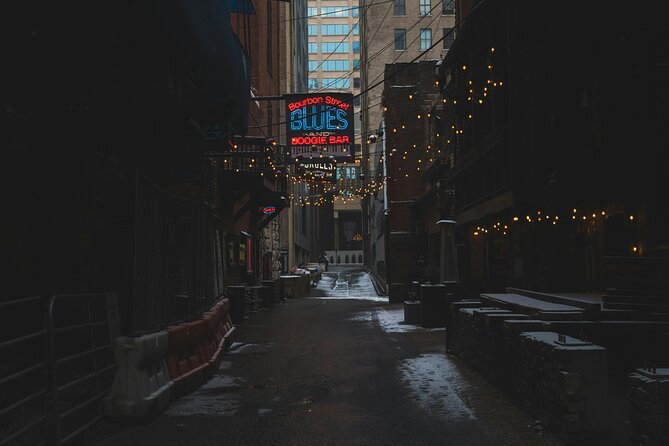
- A focused downtown walk that zeroes in on Lower Broadway, not a car tour across town
- Mobile ticket convenience, with a guided format that keeps you moving and oriented
- A small group size (up to 20 people), which makes it easier to ask questions as you walk
- Guides who add context and conflict, not just dates and plaques
- Entrance fees handled if applicable, plus at least one stop is listed as admission ticket free
Lower Broadway Civil Rights Tour: the point of the walk

If your Nashville plan usually starts and ends with music venues and neon, this tour gives you a different angle on the same streets. You’re not being asked to memorize names from a distance. You’re walking where the story unfolded, then tying it to the bigger civil rights struggle in the United States.
The big value here is the format: a live guide leads you for about two hours, keeping the pace readable and the connections clear. That matters, because black history and civil rights history can feel abstract until someone connects it directly to place. On Lower Broadway, that connection is built in.
And you’ll notice the tour leans into the full picture. In feedback, guides are praised for sharing less-known details while also discussing controversies that came with these events and decisions. That’s a big deal. It’s the difference between a timeline and a real-world story—messy, complicated, and human.
You can also read our reviews of more historical tours in Nashville



Where you start on 501 Broadway and how to find your bearings

You’ll meet at the Nashville Visitor Center, 501 Broadway, Nashville, TN 37203. This is a smart starting point for a downtown walking tour because it’s central and easy to reach via public transportation. If you’re arriving by foot or transit, you won’t waste time hunting for a far-off address.
This tour also doesn’t include pickup or drop-off. So you’ll want to plan to show up under your own steam and return to the downtown area after the walk. The good news is the meeting point is set in a place that makes that simple.
One more practical note: your ticket is mobile. That means you’ll want your phone charged and ready. If your phone battery is always at 15% when you leave your hotel, bring a small backup charger. Tiny detail, big quality-of-life improvement.
The route’s core idea: black history first, on the street you already know
The walk’s main story is centered on downtown Nashville and Lower Broadway. The tour specifically calls out Lower Broadway as the most visited street in Nashville, and that choice is the whole point.
High-traffic streets can turn history into background noise. You pass the same storefronts, the same signage, the same crowds—and if you don’t look closely, the deeper story stays invisible. This tour flips that. You’re guided to notice what’s been overlooked and to understand why those stories matter now.
Lower Broadway is also the kind of location where you may feel tempted to treat everything as entertainment. This experience is designed to slow that down just enough so you can connect the street to the civil rights era with clarity and context.
What you’ll do during the walk (and what you won’t)
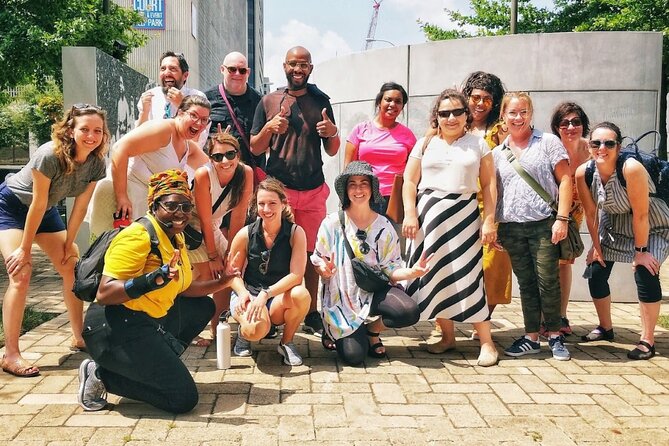
The tour is listed at about two hours, and the route is focused in one downtown area. That means you’re not hopping between far-flung neighborhoods or stacking lots of different stops. You get one concentrated experience instead of a checklist of locations.
You’ll likely spend your time listening, asking questions if the guide invites it, and looking at the street-level clues around Lower Broadway. Since your start and end are both in Nashville, the tour fits well into a day where you also want time for food, music, or a museum visit.
What you should not expect: a long ride, frequent vehicle transfers, or a lot of sitting. The activity is designed for active participation, and the tour info points to a moderate physical fitness level. Think comfortable walking shoes and a willingness to stand and move.
The guide matters: energy, context, and names you may remember
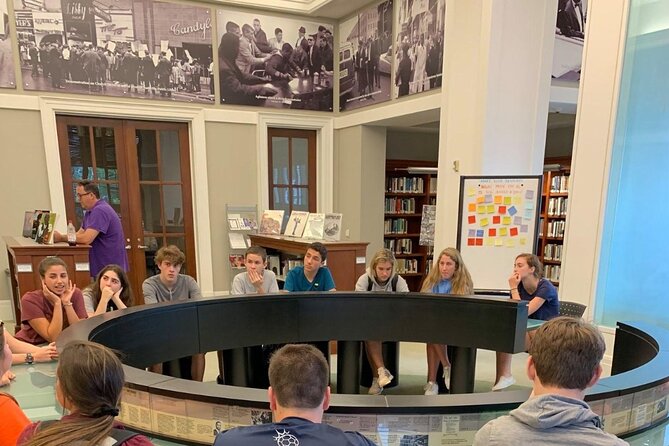
A major reason people rate this tour so highly is the guide energy. Feedback highlights Chakita Patterson by name, with praise for being upbeat, energetic, and well prepared with facts. The same feedback notes that the guide doesn’t just talk about what happened; she also explains why it mattered and how disputes and controversies were part of the story.
That style is worth looking for because it changes what you take away. If the guide is only reciting dates, you’ll remember a few facts and then move on. But if the guide is also tying stories to decisions, resistance, and consequences, you’ll feel like you understand the area more deeply.
Chakita Patterson’s mention also tells you something about the company’s approach. United Street Tours appears to put care into narration style and into selecting guides who can handle sensitive topics with accuracy and momentum.






Admission and fees: how the value math works for a short tour
Even without seeing a full price breakdown in the details, you can still judge value by what’s included.
This experience includes:
- a live guide
- entrance fees if applicable
And one key point is listed as admission ticket free for the downtown component. In practice, that means you’re not paying extra just to stand in the street and learn. You’re paying for the guide’s work and the on-street context.
So if you’re trying to keep costs under control while still getting a meaningful experience, a guided walking tour with admission handled (or marked free for the stop) is usually a good deal. You’re buying interpretation and storytelling, not another entry line.
Pace, weather, and comfort: plan like a local
This tour needs good weather. That’s not just fine print—it changes how you should pack.
Bring layers. Nashville mornings and afternoons can feel one way when you check the forecast and another once you’re outside by the sun and crowds. Also, plan for a moderate walking pace. The tour is short, but it still asks you to keep moving and listening.
Service animals are allowed, and the tour is near public transportation, which makes it easier to fit into a city day. Still, the tour does not promise pickup, so you’ll want a simple route from where you are staying.
A small but smart tip: if you’re carrying a bag, keep it lightweight. Downtown walking tours are easier when your hands are free for photos, water, and the occasional map check.
Who this is for (and who might want a different type of tour)
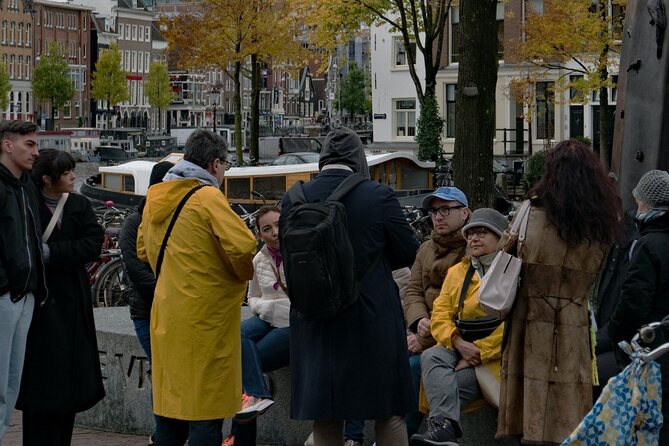
This works best for people who want history grounded in place. If you like learning that doesn’t hide behind glass, this is a strong match. If you want a tour that centers black history and civil rights themes without turning them into a sidebar, you’ll probably appreciate the focus on Lower Broadway.
It also suits:
- first-time visitors who want a guided downtown orientation with substance
- local history lovers who think they already know the city
- anyone who values context, including controversy and conflict, not just sanitized headlines
It might be less ideal if you want a museum-like setting, or if you can’t handle an outdoor walking format. The moderate fitness level and weather dependency are the main considerations.
Getting more out of Nashville after the tour
A good walking tour should change what you notice next. After this, you’ll likely look at downtown streets with a sharper eye. Lower Broadway can stay the same visually, but your understanding of what happened there—and what was fought for—will shift.
I like pairing this with a meal nearby and a bit of quiet time afterward. Let the facts settle while you’re still in the neighborhood. Then, if you head to music venues or other downtown stops, you’ll have a fuller sense of what the city has been through alongside what it’s known for today.
If you’re planning other civil rights or history-focused stops later, this tour can act like a grounding point. It gives you a local frame you can reuse while you explore other parts of Nashville.
Should you book it? My take
Book it if you want a short, focused downtown experience that centers black history and civil rights themes on Lower Broadway. I’d choose this when time is limited but you still want real substance, not just a quick photo walk.
Also book it if you like guided storytelling that doesn’t dodge difficult context. The standout feedback for guides like Chakita Patterson points to a lively, energetic style and an approach that includes controversies, not just clean summaries.
Skip it only if outdoor walking and weather dependency are dealbreakers for your day. Otherwise, this is a strong, practical way to make downtown Nashville feel more connected to the full American story—on the street you’ll be seeing anyway.
FAQ
How long is the Nashville Black History & Civil Rights Trail Tour?
It’s listed as about 2 hours.
Where does the tour start?
The meeting point is the Nashville Visitor Center at 501 Broadway, Nashville, TN 37203.
Is this a walking tour or does it include transportation?
The details provided don’t mention pickup or drop-off, so plan on exploring on foot in the downtown area.
Is there a mobile ticket?
Yes. The tour uses a mobile ticket.
What language is the tour offered in?
It’s offered in English.
Are entrance fees included?
Entrance fees are included if applicable, and one stop is listed as admission ticket free.
Does the tour include pickup or drop-off?
No. Pickup and drop-off are not included.
How big is the group?
The tour has a maximum of 20 travelers.
What is the weather policy?
This experience requires good weather. If it’s canceled due to poor weather, you’ll be offered a different date or a full refund.
Is free cancellation available?
Yes. You can cancel up to 24 hours in advance for a full refund.