REVIEW · NASHVILLE
Nashville: Belle Meade Historic Site Journey to Jubilee Tour
Book on GetYourGuide →Operated by Belle Meade Historic Site & Winery · Bookable on GetYourGuide
A plantation tour that hurts and helps at once. The Journey to Jubilee walk at Belle Meade blends hard history—enslavement and contract labor—with a clear look at the Black heritage that shaped thoroughbred racing.
I especially liked how the tour starts in the kitchen house and connects work, skill, and survival to real people’s lives, not just dates. The guides also keep the pace manageable if you need a moment to absorb what you’re hearing.
My other favorite part is how the story doesn’t stop at emancipation—it follows into the legacy of Black excellence in racing culture. One thing to consider: this is a mature, sensitive topic, and the walking route means you should plan for about an hour on your feet in a historic setting.
In This Review
- Key points to know before you go
- Journey to Jubilee at Belle Meade: what this tour is really about
- Starting inside the kitchen house: where labor becomes human
- Walking the plantation grounds: connecting enslaved work to specific spaces
- The 1807 to 1865 timeline: why the story arc matters
- Black heritage and thoroughbred racing: more than a side story
- Gardens, outbuildings, trails, and extra on-site extras
- The complimentary wine tasting: reflection without distraction
- Price and value: is $33 worth your time?
- Who this tour suits best (and who should think twice)
- Tips to make your visit easier (and more meaningful)
- Should you book the Journey to Jubilee tour at Belle Meade?
- FAQ
- How long is the Journey to Jubilee tour?
- How much does it cost?
- Where do I check in for the tour?
- What’s included in the price?
- Is the wine tasting included for everyone?
- Are meals provided?
- Is the tour wheelchair accessible?
- Are pets allowed?
- What age is the tour recommended for?
Key points to know before you go
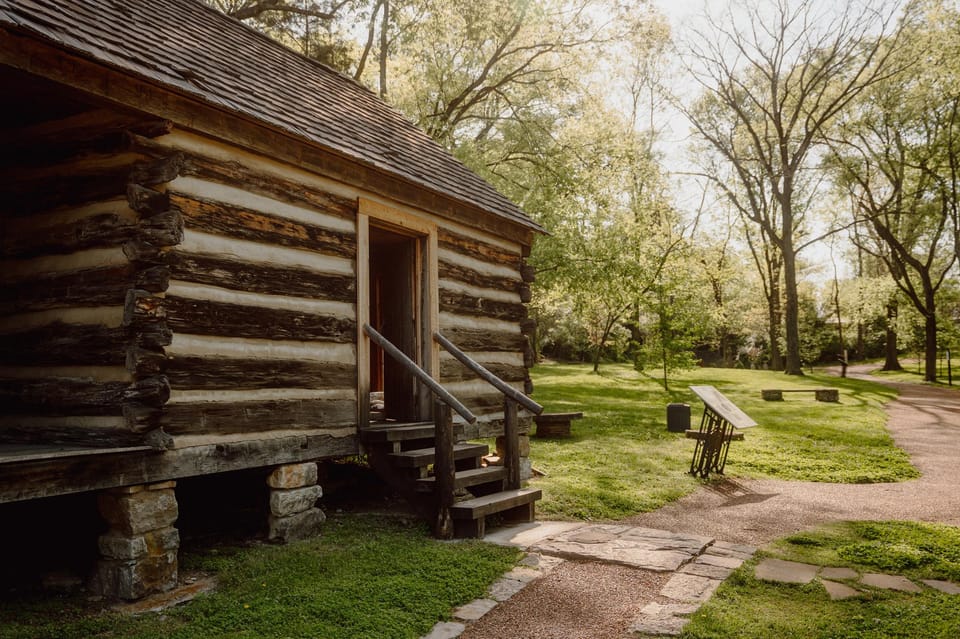
- Kitchen house first: you begin by learning what skilled labor looked like on the plantation
- Stories across the property: multiple stops help you connect daily work to larger systems
- History from 1807 through 1865: the tour timeline covers slavery, labor arrangements, and the 13th Amendment in Tennessee
- Black heritage and thoroughbred racing: you get context for how racing culture links to Black history
- Garden-and-outbuilding views included: you’ll move through historic spaces and outdoor trails
- Complimentary 21+ wine tasting: a tasting in the Belle Meade Winery wraps up the experience
Journey to Jubilee at Belle Meade: what this tour is really about
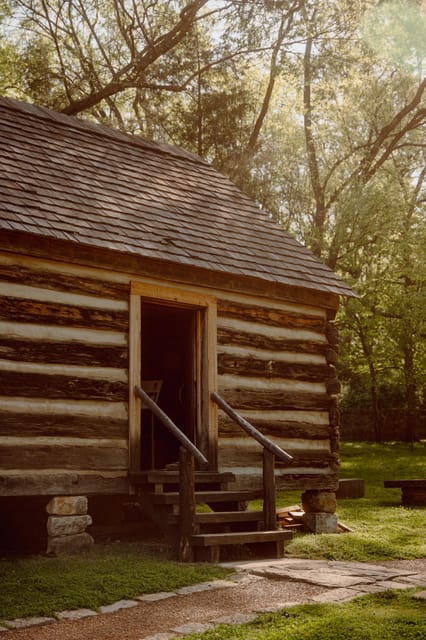
This isn’t a casual “pretty house and photos” stop. The Journey to Jubilee tour is built around emotional stories of perseverance and survival, told in the places where people were forced to work. You walk away understanding how enslavement and contract labor shaped daily life at Belle Meade, from its start in 1807 through 1865.
What I like about it is the balance of instruction and respect. You’re not just shown features of a plantation; you’re taught how history operated—through labor, skill, and survival. And then the tour turns to a legacy many people miss: the role of Black heritage in thoroughbred horse racing.
The route is also timed to be doable. It’s listed as a 60-minute guided walking tour, so you can fit it into a busy Nashville day without feeling like you’ve signed up for a half-day commitment.
You can also read our reviews of more historical tours in Nashville



Starting inside the kitchen house: where labor becomes human
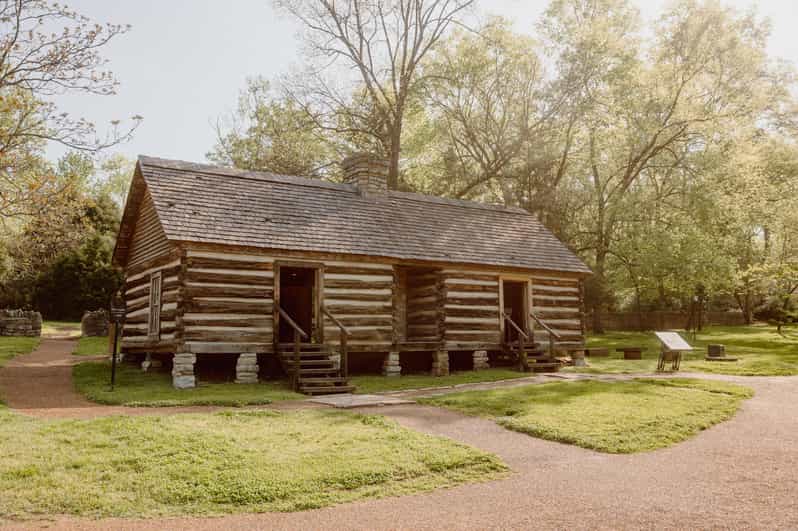
The first stop is the kitchen house, and that choice matters. Kitchens were central workspaces on plantations, tied to feeding schedules, daily production, and the movement of goods. Here, you learn about the skilled laborers who were enslaved at Belle Meade.
This is where the tour tends to feel most grounded. Instead of abstract explanations, you start from the reality of work—what people did, what skills were required, and how those skills were exploited. It’s also a smart pacing move: you’re indoors at the start, so you can settle into the story before walking outdoors.
If you’re worried about the topic being too heavy, the kitchen house approach helps you track the human scale of it. It’s not shock for shock’s sake; it’s explanation anchored in place.
Walking the plantation grounds: connecting enslaved work to specific spaces
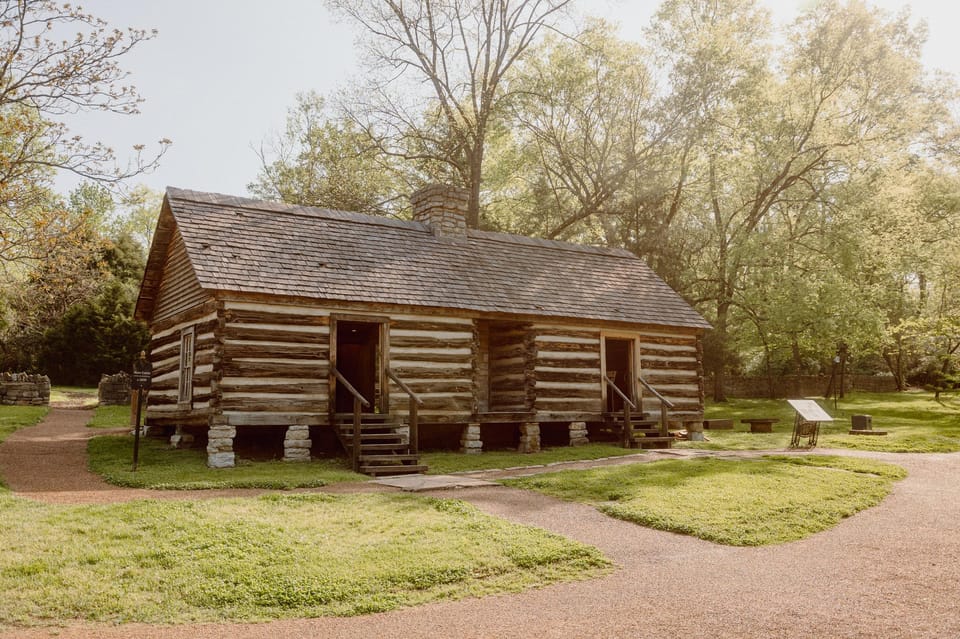
After the kitchen house, the tour moves to several points across the property. This is where you see how the plantation’s design and layout supported labor and control. You’ll explore multiple areas rather than staying fixed in one exhibit room, which helps the story feel less like a lecture and more like a guided walk through systems.
Across the route, you’ll hear the harsh realities of enslavement and contract labor and how people endured. The tour is designed to cover the plantation’s timeline—beginning in 1807 and reaching through 1865, when the 13th Amendment was adopted in Tennessee.
A practical note: wear comfortable shoes. This tour involves walking outdoors on historic grounds, and there’s no wheelchair rental available onsite. If you’re bringing older family members, you’ll be glad you’re choosing a short, guided route rather than a long self-guided walk.
The 1807 to 1865 timeline: why the story arc matters
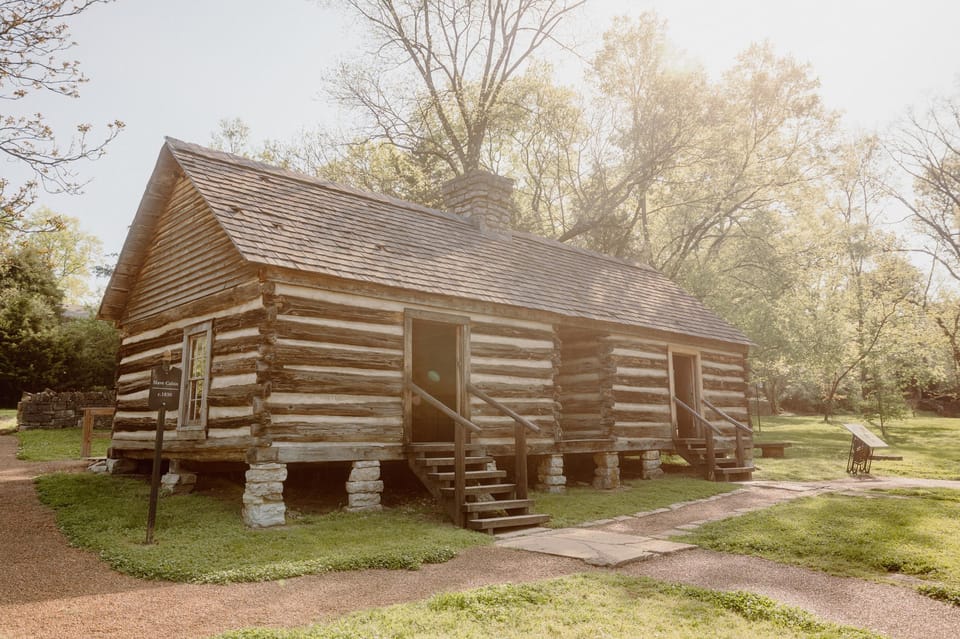
One of the smartest parts of this tour is the time range it chooses. You don’t just get a snapshot of slavery; you get a narrative arc that runs from Belle Meade’s early plantation era through the adoption of the 13th Amendment in Tennessee in 1865.
That timeline matters because it shows change without pretending life suddenly got better overnight. Even after emancipation, the broader labor system didn’t vanish—so the tour’s focus on survival and what comes after helps you understand the continuity of oppression.
You’ll also learn that the tour is grounded in extensive research from primary sources. In plain terms: you’re hearing details that are tied to documents and evidence, not just broad generalities. That makes the stories feel more precise, and it helps you ask better questions during the walk.
Black heritage and thoroughbred racing: more than a side story
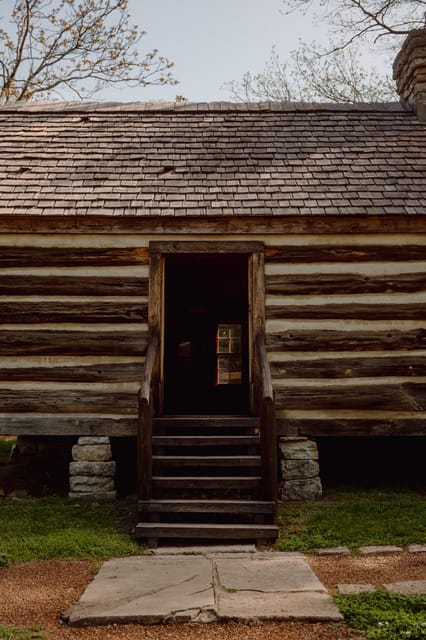
A lot of plantation narratives stop at the end of the Civil War. Here, you get something harder to find: the legacy of Black Heritage in thoroughbred horse racing.
This is valuable because it reframes the conversation. You’re learning that Black history isn’t only about suffering and loss; it’s also about influence, skill, and shaping major industries. Racing culture has roots that connect to communities and labor histories that too many people skip.
Even if you’re not a racing fan, this section gives you a lens. It helps you see how wealth and prestige industries can carry histories you won’t spot if you only look at the surface.






Gardens, outbuildings, trails, and extra on-site extras
You’re not stuck inside a single building. The experience includes access to the gardens, historic outbuildings, and walking trails around the site. There’s also an outdoor game court, a gift shop, and two on-site restaurants.
That matters for your day planning. If you want to extend the visit after the tour ends, you have places to wander that are still part of the property context. It also makes the tour feel less like a quick drop-in and more like a visit that supports deeper understanding.
One caution: outside food and beverages aren’t permitted on the property. So if you’re hoping to snack before or after, plan on using the on-site restaurants or eat before you arrive.
The complimentary wine tasting: reflection without distraction
The tour ends with a complimentary wine tasting at the Belle Meade Winery for guests aged 21 and over. This part can feel like whiplash at first if you’re expecting the tour to stay in one emotional lane.
But the way it works here is pretty practical: you’re given a moment to breathe and reflect after the heavier content. The tasting is not the main event—it’s a closing ritual, a small break that helps you shift gears without undoing what you learned.
If you’re under 21, you can still do the tour. The tasting piece is just for those who meet the age requirement.
Price and value: is $33 worth your time?
At $33 per person for a guided 60-minute walking tour, the value is strongest if you care about interpretation and context. You’re not paying only for access to grounds; you’re paying for a live guide to connect stories of enslaved labor, contract labor, and later legacy into a clear sequence.
You also get extras that raise the practical value: free parking, use of the site’s outdoor areas, and (for eligible guests) the complimentary tasting. And because the tour is short, you avoid the cost and time drag of longer tours that eat up half a day.
If you’re the type who only wants scenic stops and broad overview facts, you might not feel as satisfied. But if you want specific, place-based history and a guide who can answer questions, $33 starts to feel fair.
Who this tour suits best (and who should think twice)
This tour is recommended for guests aged 12 and older due to mature and sensitive content. If you’re traveling with teens who can handle serious history, it can be an educational stop that doesn’t treat the topic like a checkbox.
It’s also a good fit for adults who want guided context rather than trying to piece the story together alone. The pacing is structured, and the guide-led format helps you keep up without feeling lost.
Think twice if you’re uncomfortable with topics like enslavement, forced labor, and the systems that enabled them. This is not a toned-down version of history. It’s also a walking tour, so plan around your comfort level on your feet.
Tips to make your visit easier (and more meaningful)
First: plan for shoes. Comfortable walking footwear is the best upgrade you can make. Second: be ready to slow down mentally. Some of the content is detailed and emotionally heavy, so give yourself space to absorb it.
Third: arrive and check in efficiently. The meeting point is at the Visitors Center, where you check in at Tickets & Guest Services to the right upon entry. Getting there early helps you settle in before the guide starts.
Finally: if you’re the one in your group who asks lots of questions, this tour is built for that kind of engagement. The guide format is designed to handle your questions in the flow of the walk.
Should you book the Journey to Jubilee tour at Belle Meade?
If you want a short Nashville-area visit with real interpretive depth, I’d book it. The kitchen house start, the guided walk across the grounds, and the story arc from 1807 to 1865 give you more understanding than a quick stop ever would. Add the Black heritage connection to thoroughbred racing, and you get a wider lens than many plantation tours offer.
I’d skip it only if you’re looking for light, casual history or if walking outdoors for about an hour sounds stressful. For most people who want thoughtful context—especially ages 12+—this is a strong use of time and money.
FAQ
How long is the Journey to Jubilee tour?
The tour is listed as 1 hour and is a guided walking experience.
How much does it cost?
It’s $33 per person.
Where do I check in for the tour?
Check in at the Visitors Center at Tickets & Guest Services to the right upon entry.
What’s included in the price?
You get the 60-minute guided walking tour, complimentary wine sampling at the Belle Meade Winery for guests 21 and older, access to gardens and historic areas, and free parking.
Is the wine tasting included for everyone?
The complimentary wine tasting is for guests aged 21 and over only.
Are meals provided?
No. Meals and beverages are not included.
Is the tour wheelchair accessible?
There are no wheelchairs available onsite for rent.
Are pets allowed?
No, pets are not allowed on the property.
What age is the tour recommended for?
It’s recommended for guests aged 12 and older because the content is mature and sensitive.