REVIEW · NASHVILLE
Legends & Landmarks History Tour by Golf Cart
Book on Viator →Operated by The Ville Tours · Bookable on Viator
A golf cart tour is one of my favorite ways to get your bearings fast in a new city. This one is designed for quick context and big-picture Nashville, with stops that cover country music roots, river scenery, and the modern recording-world you hear on the radio. You’ll cover a lot without spending your whole night walking in circles.
I like the small group size (max 15) because it keeps the ride easy to follow and the guide’s comments less rushed. I also like that the route mixes entertainment anchors—like country-music storytelling—with practical city landmarks, so you leave knowing where things are and why they matter.
One thing to plan for: the golf cart engine can make conversation harder at times, so if you’re sensitive to noise, sit where you can hear your guide best. That’s a minor trade-off for seeing so much in such a short window.
In This Review
- Key Highlights You’ll Actually Care About
- Price and Time: What You’re Getting in 90 Minutes
- Starting at 833 9th Ave S: Easy Setup, No Mystery Where to Go
- Music City Center: The Country-Music Story in One Focused Stop
- Along the Cumberland River: Skyline Views Without the Long Walk
- Nissan Stadium Area: Sports Energy and Big-Event Scale
- Printer’s Alley: Neon Lights and Speakeasy-Style Nightlife History
- St. Mary’s: Quiet Gothic Revival Calm in the Middle of It All
- Tennessee History Park and the Greek Revival Capitol: Learning Without the Lecture
- Marathon Village: From Car Factory Past to Creative Present
- The Gulch and Music Row: Nashville’s Modern Face and the Hits Machine
- The Guides Make the Difference (And You Might Get a Song Nod)
- Who This Tour Fits Best (And Who Might Prefer Something Else)
- Should You Book This Legends & Landmarks Golf Cart Tour?
- FAQ
- How long is the Legends & Landmarks History Tour by Golf Cart?
- What does the tour cost?
- Where is the meeting point?
- Is the tour in English?
- What’s included in the price?
- How large is the group?
- Can I get a refund if my plans change?
Key Highlights You’ll Actually Care About
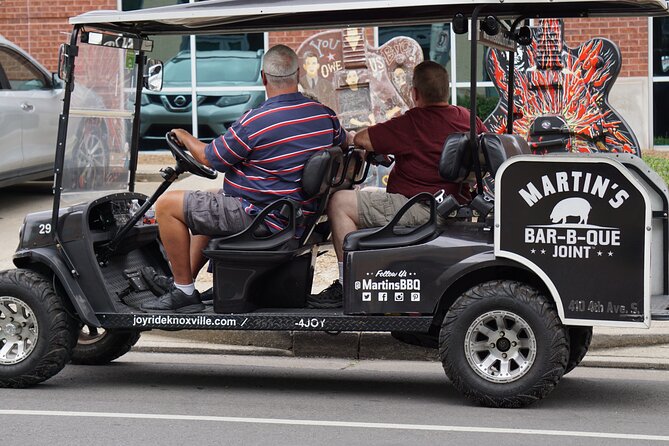
- 90-minute overview that packs major Nashville neighborhoods into one efficient ride
- Legend-first stops like Music City Center and Music Row for quick context on country music
- River and skyline moments along the Cumberland River stretch
- Nightlife history at Printer’s Alley without committing to a full bar crawl
- Handy variety from sports at Nissan Stadium (Titans home) to quieter church and memorial stops
- Guides who make it personal, with names like Joe, Keith, Parker, and Will popping up as standouts
Price and Time: What You’re Getting in 90 Minutes
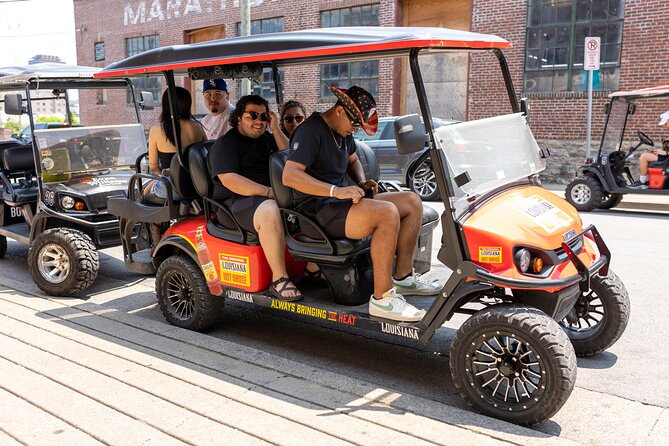
This tour costs $52.01 per person for about 1 hour 30 minutes. That’s not the cheapest thing in Nashville, but it’s also not a full-day commitment. For me, the value comes from the format: you’re buying speed plus interpretation. In a city where you can easily burn half your evening just figuring out transit and distances, a golf cart route can be a smart shortcut.
Also, you’ll typically book it ahead—on average, people reserve about 19 days in advance. That usually means you’ll have better timing options, and you won’t be stuck hoping the next slot works with dinner plans.
The tour runs in English with a mobile ticket, and it starts and ends at 833 9th Ave S, Nashville, TN 37203. Expect it to circle back to the meeting point at the end, so you’re not left scrambling for pickup rides.
Group size caps at 15, which helps with two things: (1) you get a real tour instead of a herd, and (2) you can usually hear the guide better than on large bus-style trips. Still, plan for the one drawback: the cart’s sound can interfere with hearing, depending on where you sit.
You can also read our reviews of more historical tours in Nashville



Starting at 833 9th Ave S: Easy Setup, No Mystery Where to Go
You meet at 833 9th Ave S. That’s important because Nashville has enough downtown construction and traffic patterns to make a vague meeting point annoying. Here, you have a specific address, and the tour ends back at the same place. That means you can plan dinner nearby without guessing where you’ll be dropped.
You’ll ride around with an English-speaking guide, and you should be able to participate if you’re an average traveler. Service animals are allowed, which matters for anyone who needs that option.
If you’re the type who likes to arrive a few minutes early, do it. A quick buffer helps you get a good seat on the cart, and—this is practical—where you sit can affect how clearly you catch the guide’s story when the engine is louder.
Music City Center: The Country-Music Story in One Focused Stop
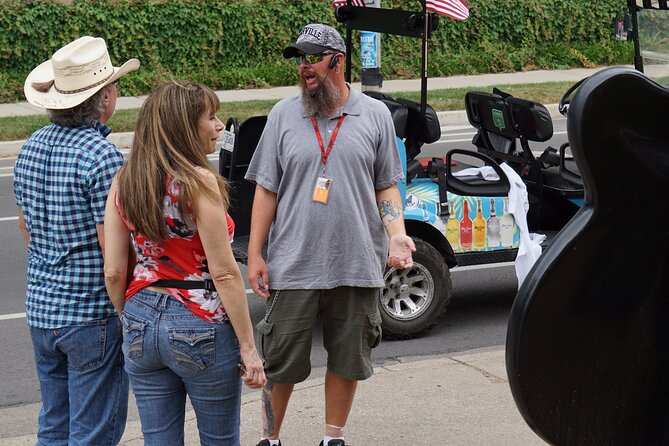
The first major stop is Music City Center, presented here as a museum dedicated to country music legends. You’ll see a mix of memorabilia and interactive displays, plus rotating artifacts from artists who shaped the genre.
Why this stop matters: if you only see Nashville as neon bars and live music venues, you miss the “why.” A museum-based orientation gives you context fast. It helps you connect what you’re hearing tonight to the people and moments that built the sound.
What to expect inside depends on what’s currently on display, but you’re not walking through a vague history lesson. This is framed as a legends-and-artifacts approach—good for visitors who want a summary rather than a textbook.
Possible drawback: if you’re short on time and museums aren’t your thing, you may feel like you want more minutes. Still, as part of a bigger golf cart route, this stop functions like a launchpad. You don’t have to become a superfan to benefit from the context.
Along the Cumberland River: Skyline Views Without the Long Walk
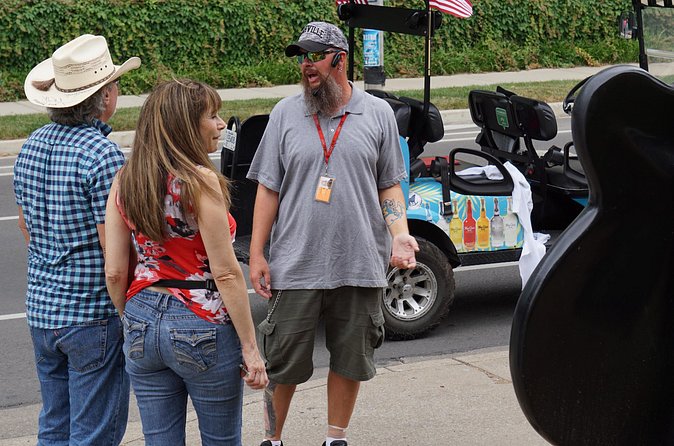
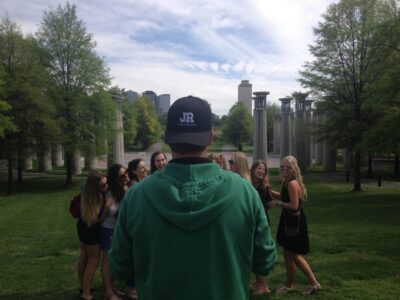
Next, you’ll roll toward an outdoor concert venue on the banks of the Cumberland River, with live music vibes and skyline views. Then the route continues to the river itself for scenic moments—think views, boating opportunities, and riverfront parks that are ideal for a stroll.
This is the part of Nashville that works even if you’re not a concert person. The river gives you breathing room. It also gives you a sense of geography. Once you see how the Cumberland River cuts through downtown, it’s easier to understand where neighborhoods sit and where you might want to return later on foot.
What you’ll like here: the views happen as you’re moving, not after you’ve already walked yourself tired. That means you can enjoy the scenery without turning your tour into a workout.
One consideration: since this tour is time-based and stops are grouped, you’re unlikely to have long free roaming time at each park. If you want maximum photo time or a slow picnic pace, you’ll probably use this stop as inspiration—then come back later on your own.
Nissan Stadium Area: Sports Energy and Big-Event Scale
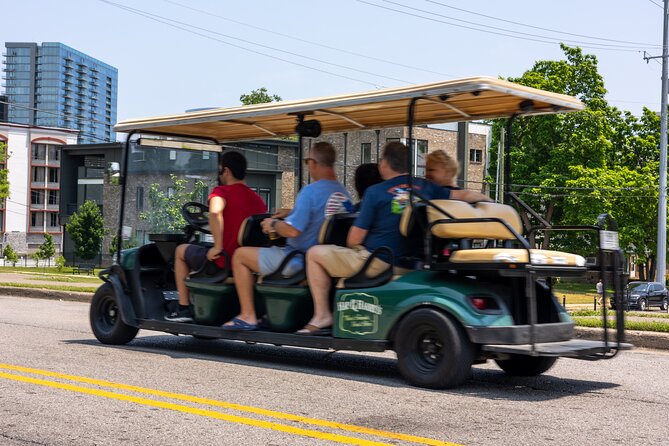
You’ll also pass by home of the Tennessee Titans—the stadium where NFL games and large-scale concerts happen. Even if you’re not catching a game, this stop helps you picture Nashville as a city that hosts major events, not just singer-songwriter tours.
Why this is valuable: it adds a different layer. Nashville isn’t only about music history; it’s also about modern entertainment infrastructure. Seeing the scale of the venue makes the city feel more real.
What to watch for: stadium areas can be loud and visually “big” in a different way than smaller attractions. If you’re craving intimate stories, you’ll likely connect more with stops like Music City Center and Printer’s Alley—but the stadium is a useful counterbalance.






Printer’s Alley: Neon Lights and Speakeasy-Style Nightlife History
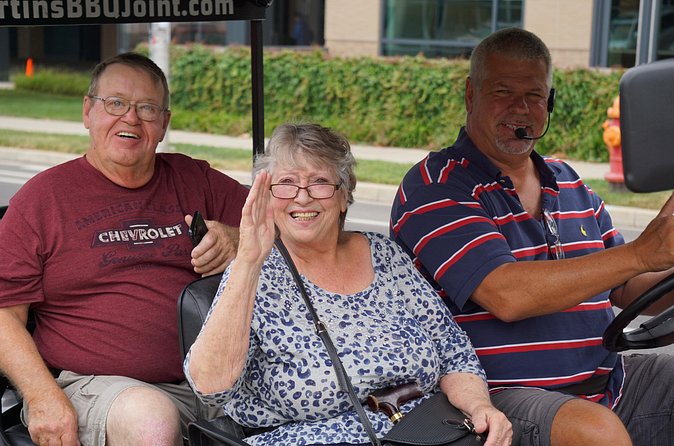
Then comes Printer’s Alley, described as known for neon lights and historic speakeasy vibes. It’s a nightlife district full of bars and live music venues—an authentic slice of Nashville history.
This is the stop I’d recommend for anyone who’s coming for the classic Nashville nightlife look but doesn’t want to commit to a full bar-hopping evening right away. You get orientation: where the action is, what the atmosphere feels like, and which area is more your style.
What you’ll gain: a mental map of the night. After this, you can decide where you want to spend your own time. This tour sets the stage.
Possible drawback: if you visit during a quieter time, you might not get the full nighttime energy. Still, seeing the streets and recognizing the vibe is useful. You’ll know where to return when you’re ready to go out.
St. Mary’s: Quiet Gothic Revival Calm in the Middle of It All
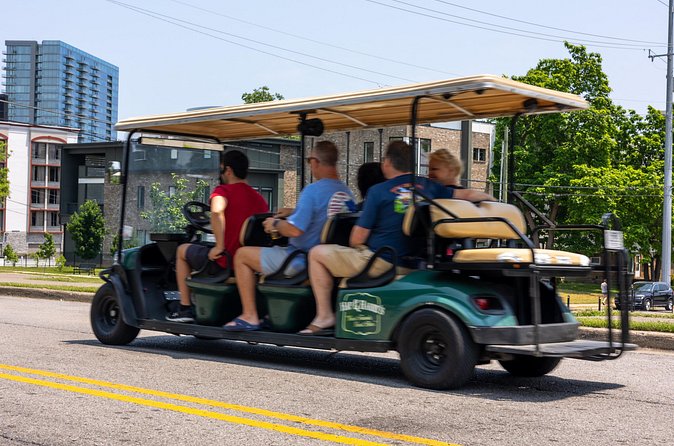
You’ll stop at St. Mary’s, noted as Nashville’s oldest church. It’s described as having Gothic Revival architecture and historic charm, offering a peaceful sanctuary and a window into early religious history.
This is a smart contrast stop. Between music, nightlife districts, and big venues, it’s refreshing to step somewhere calmer and more still. The architecture and age give you perspective. Even if you don’t care about churches in general, you’ll likely enjoy the change of pace.
What to expect: look for the Gothic Revival feel—sharp lines, a sense of verticality, and a “designed to slow you down” atmosphere. It’s not a party stop, so if you’re running on fumes from the day, this can be the easiest place to recharge.
Consideration: if you’re seeking only photo-friendly streets and loud entertainment, this stop may feel more reflective than exciting. But it’s exactly that contrast that makes the overall tour feel balanced.
Tennessee History Park and the Greek Revival Capitol: Learning Without the Lecture
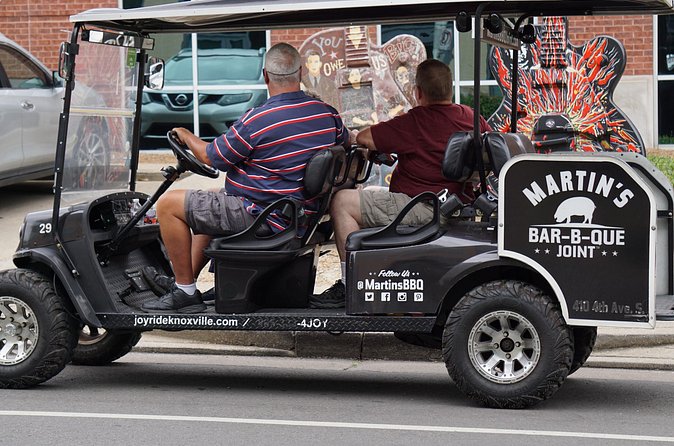
Your route includes a park honoring Tennessee’s history with monuments, fountains, and scenic spaces, plus a pathway guiding visitors through key events and symbols of the state.
Then you’ll head to a Greek Revival capitol building on a hill, described as the state legislative hub. It includes historic architecture and scenic views, with guided tours available for visitors.
Why this matters for a short tour: it adds substance. The city can feel like sound, lights, and venues. These stops remind you that Nashville is also government, identity, and civic space—part of why the state’s story is shaped where it is.
What you’ll likely enjoy:
- The park’s structure gives you something to “follow” rather than just wander.
- The capitol’s hilltop location makes it feel like a landmark, not just another building.
Possible drawback: guided tours at the capitol are mentioned as available, but your golf cart schedule may not line up with a longer sit-down tour. If you’re specifically interested in going inside for deeper interpretation, plan to return separately when you have more time.
Marathon Village: From Car Factory Past to Creative Present
Next up is Marathon Village, described as a former car factory turned creative hub. You’ll see art studios, unique shops, and distilleries, blending industrial history with Nashville’s artistic flair.
This stop is great if you like seeing how cities reuse old structures. It also helps explain a modern Nashville phenomenon: the same brick and bones from the industrial era now house makers and small businesses. That’s a big part of why neighborhoods in cities like Nashville feel creative rather than purely commercial.
What to expect: you’ll get a sense of the place and what it’s used for today—without needing to commit to a long shopping session.
If you want souvenirs, this stop is more likely to give you options that feel local rather than generic. Even if you don’t buy anything, it’s a fun visual change from the music-focused stops.
The Gulch and Music Row: Nashville’s Modern Face and the Hits Machine
Finally, you’ll cover two areas that make Nashville feel like the place where songs are made:
- The Gulch, described as a trendy urban district with upscale dining, street art, and stylish boutiques.
- Music Row, described as the heart of Nashville’s recording industry, lined with recording studios, offices, and historic landmarks where countless hits were created and produced.
Here’s how I’d frame these stops for you: if earlier parts of the tour explain the “story behind the sound,” these areas explain the “factory floor.” You’ll see how Nashville became the center of modern recording culture.
What you’ll like:
- The Gulch gives you a stylish snapshot of today’s city.
- Music Row tells you what’s happening behind the scenes of famous tracks.
One practical note: these areas are more “see the streets and buildings” than “buy tickets to an attraction.” If you’re the type who enjoys architecture, street art, and the feel of workspaces and creative districts, this will land well.
If you’re more into landmarks with clear entrances and obvious must-dos, you may want to use these as starting points for your own follow-up walking.
The Guides Make the Difference (And You Might Get a Song Nod)
The biggest recurring theme is the guides. Names like Joe, Keith, Parker, and Will show up as standouts—people who are engaging, personable, and able to connect the dots between stops.
One small detail worth listening for: in some cases, guides may even play songs associated with the area, including up-and-coming music. That’s a fun way to make the tour feel like more than a checklist.
One hearing caveat again: because of the golf cart engine, sometimes it’s hard to catch every word. If you’re worried about that, pick a seat where you can face the guide and avoid talking over each other. It’s a short tour, so you want maximum value from the story.
Who This Tour Fits Best (And Who Might Prefer Something Else)
This is best for you if:
- You’re new to Nashville and want a fast, organized overview.
- You want music culture plus practical orientation (where things are).
- You like a guide who adds personality and quick meaning to each stop.
- You prefer “see a lot” over “stand in one place for hours.”
It may be less ideal if:
- You hate museum stops and would rather only do outdoor sights.
- You need very quiet narration the whole time (engine noise can affect hearing).
- You want deep, inside-the-building access at every stop. This route is designed for overview, not marathon touring.
Should You Book This Legends & Landmarks Golf Cart Tour?
Yes—if your goal is to understand Nashville quickly and shape your next moves. For the money, you’re buying a tight bundle of music history context, river scenery, and major neighborhood stops in a format that’s easier than piecing it together on your own.
Book it if you like structure. This tour has clear stops and a logical flow from music roots to skyline views to nightlife history to modern recording hubs. It also gives you a short list of places to return to later—like Music Row or the Gulch—when you want to slow down and explore.
Skip it only if you’re already planning a full day of museum time and you don’t care about orientation. In that case, you might feel this is too “high-level.” But for most first-timers, it’s a solid way to start your Nashville night with your bearings set.
FAQ
How long is the Legends & Landmarks History Tour by Golf Cart?
It lasts about 1 hour 30 minutes.
What does the tour cost?
The price is $52.01 per person.
Where is the meeting point?
You start at 833 9th Ave S, Nashville, TN 37203, USA and the tour ends back at that same meeting point.
Is the tour in English?
Yes, the tour is offered in English.
What’s included in the price?
The tour includes all fees and taxes and an English tour guide.
How large is the group?
The tour has a maximum of 15 travelers.
Can I get a refund if my plans change?
Yes. There is free cancellation. You can cancel up to 24 hours in advance for a full refund.