REVIEW · NASHVILLE
Historic Grounds: A Music City History and Coffee Morning Tour
Book on Viator →Operated by Nashville Adventures · Bookable on Viator
Morning coffee meets Nashville music legends. This 1 hour 45 minute walk strings together iconic downtown stops like the Ryman Auditorium and Tootsies Orchid Lounge, with coffee included at Assembly Food Hall. I like two things most: the small group size and having the guide’s planning tips baked in. The one catch is it’s a lot of walking and standing, so you’ll want comfortable shoes.
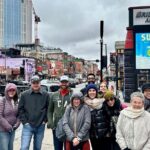
If you’re the kind of traveler who likes your sightseeing with good context, this tour hits that sweet spot. The guides get real credit here. Paul brings high-energy history, while Cody blends music with political and architectural details as you move through downtown.
In This Review
- Key things I’d watch for on this coffee-and-history tour
- A 9am coffee-and-history walk that fits first-timers
- Starting at the Grand Lodge, then heading straight to coffee
- Ryman Auditorium: the Mother Church of Country Music, explained
- Tootsies Orchid Lounge: honky-tonk with receipts
- First Presbyterian Church: a calm architectural breather
- Printer’s Alley cobblestones: where nightlife grew out of publishing
- Riverfront Park and Cumberland River: the pause between downtown clusters
- Lower Broadway honky-tonks: neon, guitars, and a smarter first look
- Nissan Arena: modern entertainment scale at the edge of downtown
- Assembly Food Hall coffee: the included perk you’ll appreciate more than you think
- What makes the guides a standout part of this tour
- Logistics to plan around: walking pace, shoe choice, and where you end up
- Is $44.99 worth it for this Nashville coffee-and-history loop?
- Should you book this tour?
- FAQ
- How long is the Historic Grounds and Coffee Morning Tour?
- What is the price per person?
- What is included with the tour besides the guide?
- Where does the tour start and where do you end?
- What time does the tour start?
- How big is the group?
- What language is the tour offered in?
- Do I need to bring anything for the tour?
- Is cancellation free?
Key things I’d watch for on this coffee-and-history tour
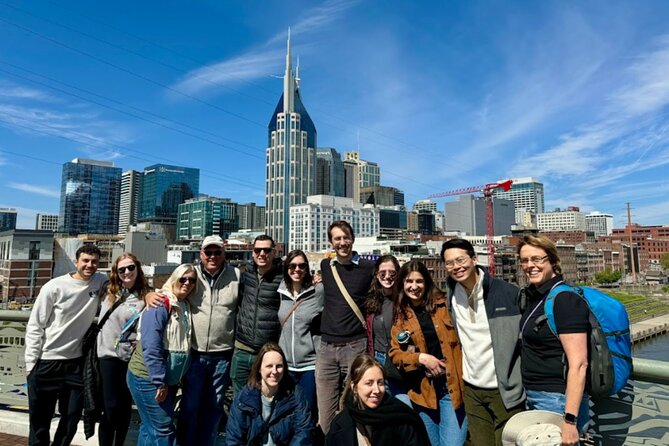
- Small group energy (up to 12 people) means more room for questions and side conversations
- Coffee at Assembly Food Hall is included, so you get a slow start without wasting time hunting for caffeine
- Ryman Auditorium first-rate storytelling turns a famous building into a time machine
- Tootsies Orchid Lounge is more than a stop; it’s part of the live-music DNA of Nashville
- Early-morning pacing helps you see downtown with fewer crowds and more atmosphere
- Big landmarks plus short walks makes it efficient if you’re short on time
A 9am coffee-and-history walk that fits first-timers
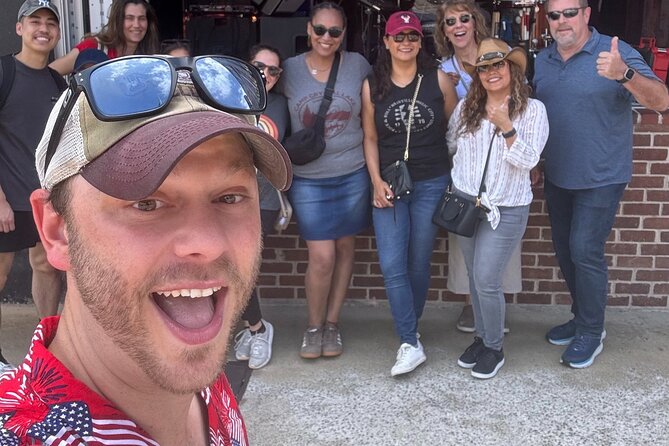
Nashville can feel like two cities at once: morning calm on one side, then music-volume chaos later. I like how this tour leans into the earlier hours. You start at the Grand Lodge of Tennessee Free and Accepted Masons at 100 7th Ave N #4, Nashville, and you’re back to the same meeting point when you finish.
The timing also matters for how you experience the sights. A guided walk at this hour is less about snapping photos from the curb and more about hearing the stories behind the places you’re actually seeing. You’ll still reach Lower Broadway, but you’re doing it with a foundation first, so it makes more sense when the neon and guitar riffs kick in.
Price-wise, it’s $44.99 per person for roughly 1 hour 45 minutes, and coffee at Assembly Food Hall is included. For a downtown walking tour that covers multiple major music-and-landmark locations, that’s a fair value if you like context from a local guide. If you’re only after casual sightseeing, you might feel like you could do it on your own for less. But if you want the why behind the where, this is set up for that.
You can also read our reviews of more city tours in Nashville

Starting at the Grand Lodge, then heading straight to coffee
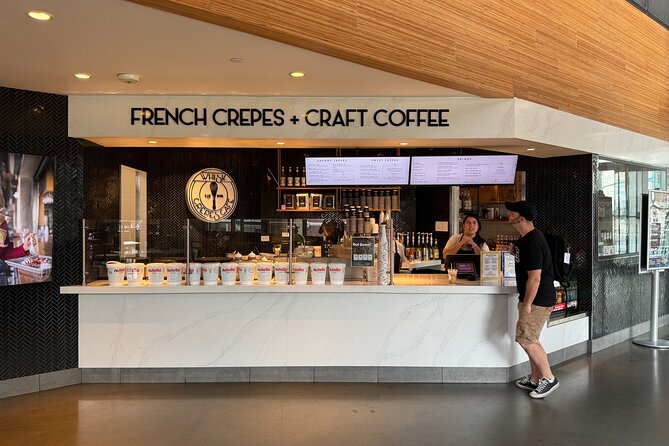
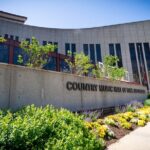
Your tour begins at a real landmark address, not some random corner. Meet at the Grand Lodge of Tennessee Free and Accepted Masons, and expect a mobile ticket setup and an English-speaking guide.
From there, you’ll head to Assembly Food Hall for the coffee stop. This part is scheduled at about 25 minutes with an admission ticket included, and it’s not an afterthought. The whole point is to get you fueled before the walking starts in earnest.
Here’s how I’d think about this if you’re planning your day: coffee included means you avoid one of the biggest time traps in downtown. Instead of scanning menus while the group moves on, you get an organized window for caffeine and a quick reset. Also, if you’re traveling with jet lag or you just need your brain switched on, this early break makes the rest of the route feel easier.
Ryman Auditorium: the Mother Church of Country Music, explained
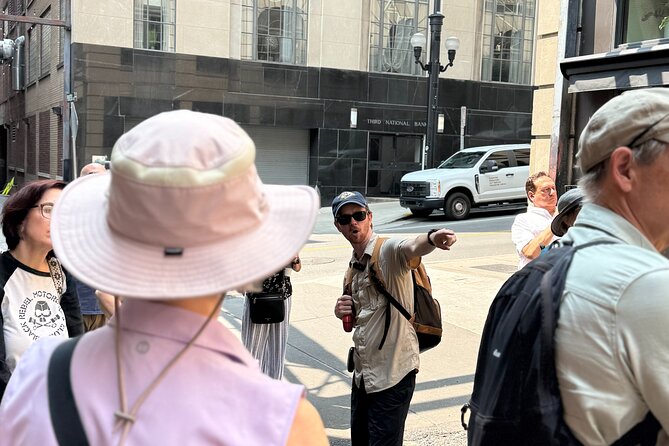
The tour’s first major cultural stop is the Ryman Auditorium, often called the Mother Church of Country Music. This is the kind of place where the building itself holds stories, so you get more value than just seeing a famous façade.
What you’ll take in here is the contrast between age and sound. The Ryman’s red brick exterior dates back to 1892, and inside you’ll see an auditorium space built for listening. The wooden pews and stained glass windows add to that “you’re in a real chapter of music history” feeling.
Why this stop is strong for your trip: Nashville gets labeled as party music, fast and loud. The Ryman is a reminder that the city’s music culture is also craftsmanship and performance tradition. If you’re a country fan, it’s obvious. If you’re not, it still works because it’s about how a venue shapes what artists can do—and how audiences learn to listen.
One thing to keep in mind: even if you’re not a super-fan, a guided explanation can make a big difference here. So if you tend to tune out during indoor stops, you might not get your money’s worth from this part. But if you like architecture and performance history, this is usually the highlight.
Tootsies Orchid Lounge: honky-tonk with receipts
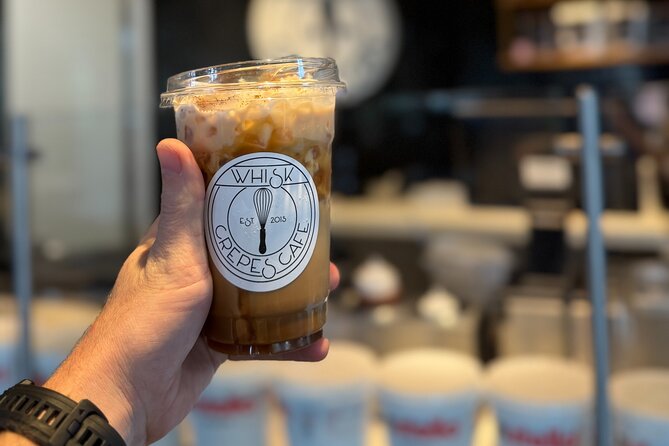
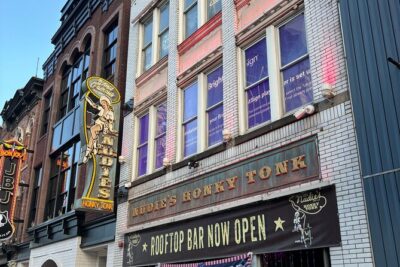
Next you’ll head toward Tootsies Orchid Lounge, the iconic purple honky-tonk that has been part of the city’s scene since the 1960s. The building is recognizable from a distance, but the real value is what the guide helps you notice once you’re inside.
Tootsies isn’t just a place to grab a drink. It functions like a living scrapbook of Nashville’s music past. Expect autographed photos and memorabilia, the kind that turns casual bar walls into career milestones—proof of who played there and when.
I like stops like this because they balance official history with everyday culture. A church or theater tells you the story of institutions. Tootsies tells you the story of people who kept showing up with songs and dreams.
Potential drawback: if your idea of Nashville is quiet and scenic, a honky-tonk stop might feel like sensory overload. The air can be lively, and it’s not designed as a contemplative museum moment. Still, that’s also the point. This is part of Nashville’s real rhythm.
First Presbyterian Church: a calm architectural breather
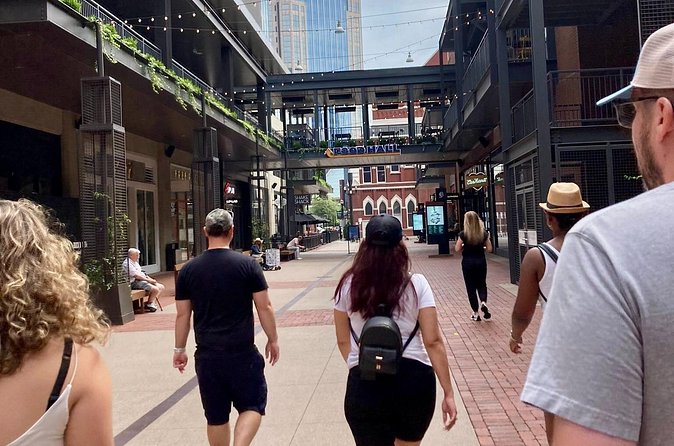
After the noise and music energy, you’ll approach First Presbyterian Church. This is a visual reset. The focus here is the architecture: pointed arches, ornate stonework, and soaring spires.
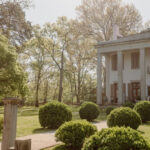
The guide’s angle matters, because a building like this can look like just another historic downtown stop unless someone points out what makes it special. This church is also a landmark, so even if you’re not religious, it helps you understand Nashville’s older identity beyond entertainment districts.
Why it works on this tour: it gives you a mental pause between music venues. You’re walking through a city where the entertainment story is loud, but the city’s civic and cultural roots still show up in stone and geometry. This stop makes the rest of the walk feel more grounded.
You can also read our reviews of more historical tours in Nashville

Printer’s Alley cobblestones: where nightlife grew out of publishing
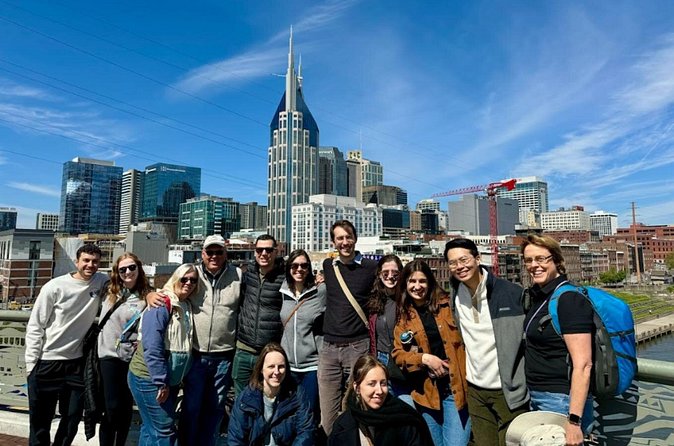
You’ll then move into Printer’s Alley, a downtown corridor with cobblestone streets and a 19th-century origin story tied to newspapers and publishing. Over time, it shifted from printing trades to entertainment, and the alley feels like that evolution happened quickly.
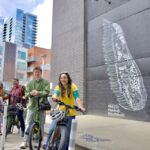
Expect colorful murals and historic signage, plus clubs and bars along the way. The guide’s storytelling helps connect what you see now—venues, nightlife, street energy—to what came before. It’s the kind of place where you can walk through and miss the timeline. On this tour, you’re given a sequence.
This stop is also where practical traveler logic kicks in. If you’re planning your evenings later, Printer’s Alley helps you understand where the city put its energy after the publishing days faded. That can save you time when you’re figuring out where to wander without feeling like you’re just following crowds.
Riverfront Park and Cumberland River: the pause between downtown clusters
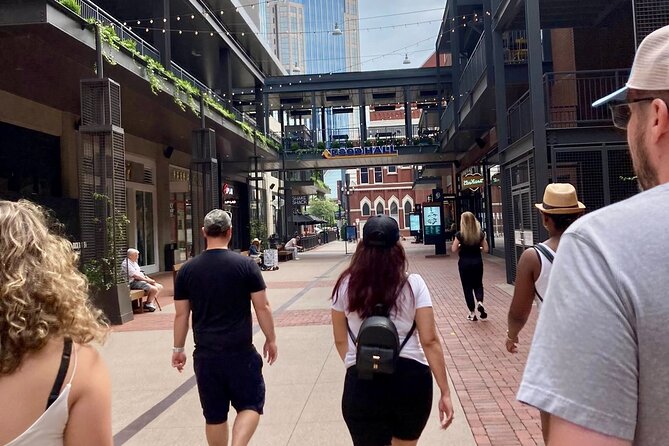
Once you’ve had music and nightlife stops, Riverfront Park offers breathing room. The Cumberland River runs along the area, and you get a view toward Nissan Stadium across the water.
I love this kind of contrast stop. It’s still downtown, still part of the city’s core, but it doesn’t feel like you’re trapped in the entertainment loop. You get skyline views, open space, and a chance to regroup your energy before you head back toward the busiest stretch.
Also, the guide’s commentary can help you spot how Nashville blends old and new. You’ve got historic landmarks on one side of your walk and modern big-event venues like Nissan Stadium on the other. That’s the city’s story in miniature: tradition and reinvention side by side.
Lower Broadway honky-tonks: neon, guitars, and a smarter first look
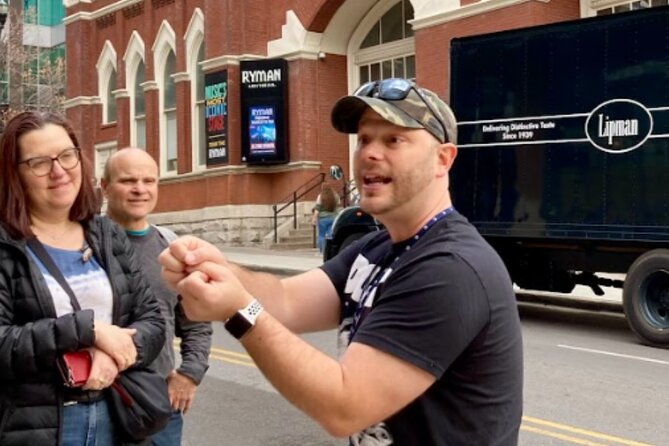
As you walk into Lower Broadway, the atmosphere shifts fast. You’ll hear country music and see neon signs associated with major honky-tonks. Stops and landmarks called out can include Tootsies Orchid Lounge, Robert’s Western World, and The Stage.
This is where your earlier stops pay off. When you already understand what kind of venue honky-tonks are, you’re not just looking at bars. You’re reading Nashville’s performance culture in real time: where people go to hear music, and how the city treats live shows as daily life.
Practical note: Lower Broadway is crowded and loud at many hours. Even though this is a morning-focused tour, you’ll still get that energy. If you’re sensitive to noise or crowds, be ready with ear comfort and patience.
Nissan Arena: modern entertainment scale at the edge of downtown
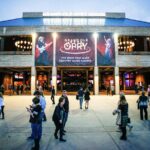
The final landmark stop on your route is Nissan Arena. It’s a modern venue that hosts major concerts and sports events, and the architecture gives you another kind of Nashville view: large-scale spectacle compared with intimate music rooms like the Ryman and honky-tonks.
Why this matters on a walking tour: it rounds out the picture. You start with a landmark venue built for performance tradition, then you cover places built for frequent live music culture, and you end with a big arena that shows how the city handles global-scale events.
Depending on what day you’re there, you might feel the hum of activity from the area even if there isn’t an event happening when you pass.
Assembly Food Hall coffee: the included perk you’ll appreciate more than you think
This tour includes a coffee stop at Assembly Food Hall, scheduled for about 25 minutes. That’s a meaningful slice of time, not a quick “here’s a cup, keep walking” moment.
You’ll get a chance to try local coffee and reset with your group before the rest of downtown. It also makes the whole experience feel like more than just a checklist of buildings. The guide is using this time to get you set up mentally for what comes next: where to look, what to listen for, and how the city’s music world connects.
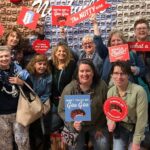
In at least one small-group experience, the tour felt flexible because there were just four people on the 9am departure. When the group is smaller, those coffee conversations can be more than polite small talk. You get real planning advice and direction, which can make your later Broadway time smoother.
What makes the guides a standout part of this tour
Two names came up strongly in the feedback: Paul and Cody. Their shared strength is energy plus context. Paul is described as full of energy and very history-focused, and he also offers advice on what to do and what to skip so you can make the rest of your Nashville time work.
Cody is noted for mixing music with political and architectural history. That combination matters because it prevents the tour from feeling like pure music fan trivia. You end up with a bigger picture of why Nashville looks the way it does and why its music culture grew where it did.
If you like tours where the guide talks to the group like people—not like a lecture—this fits well. The route is short enough that you feel connected to the story rather than stuck rushing between stops.
Logistics to plan around: walking pace, shoe choice, and where you end up
This is an active downtown walk. You’ll be on your feet for long stretches, and comfortable walking shoes aren’t optional. One caution from the experience feedback is that it may not be ideal for mobility limitations, so if your movement is limited, think carefully before booking.
The upside is that the route is compact and designed for first-timers. You start at a clear address and you return to the same place when you finish, so you don’t end up stranded across town.
You also get a mobile ticket, and the meeting area is near public transportation. That’s helpful if you’re mixing this into a wider day of Nashville exploring.
Group size stays small, with a maximum of 12 travelers. Smaller groups tend to feel calmer and more interactive, which matches the way the tour is built: asking questions, hearing details, and getting practical suggestions from the guide.
Is $44.99 worth it for this Nashville coffee-and-history loop?
Here’s my balanced take on value.
You’re paying for three things:
- Guided explanations at multiple major music-and-landmark sites
- A structured early-morning walk that covers a lot of ground in about 1 hour 45 minutes
- Coffee included at Assembly Food Hall
If you love music history, venue culture, and learning how Nashville’s entertainment grew, that’s a strong match. The tour also helps you avoid aimless wandering later, because the guide gives advice on how to spend your time.
If you’re only interested in taking photos at a couple famous spots and you don’t care about context, you might feel the price is too high. In that case, a self-guided stroll could work.
But if you’re new to Nashville and want your first day to feel organized, this is a solid spend.
Should you book this tour?
Book it if you:
- Want a first-time Nashville overview without jumping between too many far-apart places
- Like guided stories about venues, not just landmark photos
- Appreciate small-group pacing and the added bonus of coffee
Skip or rethink it if you:
- Struggle with long standing and walking
- Prefer DIY sightseeing with minimal narration
If you’re arriving in town and trying to figure out where the city’s music identity comes from, this is one of the best ways to get your bearings fast—starting with coffee and ending with a clearer idea of where to go next.
FAQ
How long is the Historic Grounds and Coffee Morning Tour?
The tour runs about 1 hour 45 minutes, based on the approximate duration given.
What is the price per person?
It costs $44.99 per person.
What is included with the tour besides the guide?
Coffee is included as part of the stop at Assembly Food Hall, with an admission ticket included for that coffee stop.
Where does the tour start and where do you end?
You start at the Grand Lodge of Tennessee Free and Accepted Masons, 100 7th Ave N #4, Nashville, TN 37203, USA. The tour ends back at the same meeting point.
What time does the tour start?
The start time listed is 9:00 am.
How big is the group?
The tour has a maximum of 12 travelers.
What language is the tour offered in?
The tour is offered in English.
Do I need to bring anything for the tour?
You should bring comfortable walking shoes, since it involves a lot of walking and standing.
Is cancellation free?
Yes. You can cancel for a full refund if you cancel up to 24 hours in advance of the experience start time.