REVIEW · NASHVILLE
Downtown Nashville Sightseeing Walking Tour
Book on Viator →Operated by Nashville Experience Tours · Bookable on Viator
A quick walk that makes Nashville make sense. This downtown 90-minute sightseeing route mixes Nashville’s historic milestones with its modern-day music identity, all without loudspeakers. You’ll see five iconic landmarks on foot while a guide brings the stories to life in plain language.
I especially like the tiny group size (max 20) and the intimate setup, where discussion happens right outside the stops. The one trade-off: the pace is brisk, so you get the highlights, not a long, linger-for-every-detail experience.
In This Review
- Key things to know before you go
- Why this 90-minute downtown loop is a smart first move
- Small group + no loudspeakers = you actually hear the story
- Getting your bearings: the walking route and timing
- Stop 1: The Hermitage Hotel and the suffrage story you may miss
- Stop 2: Nashville War Memorial Auditorium and the building-with-two-lives feel
- Stop 3: Tennessee State Capitol and the outside details that matter
- Stop 4: Printer’s Alley and the darker, street-level side of downtown
- Stop 5: Ryman Auditorium and Nashville’s music gravity
- Price and value: what $29.99 gets you (and what it doesn’t)
- Weather reality: why comfort planning matters
- Who this tour fits best
- Should you book this downtown Nashville sightseeing walking tour?
- FAQ
- How much does the Downtown Nashville Sightseeing Walking Tour cost?
- How long is the tour?
- How many people are on the tour?
- What language is the tour offered in?
- Where does the tour start and end?
- Is the tour mostly outside?
- What’s included and what’s not included?
- Are admission tickets provided?
- Is the tour canceled if weather is bad?
Key things to know before you go
- Max 20 people keeps it easy to hear and ask questions
- No loudspeakers means Joe’s or Morgan’s voice carries the story
- Five stops in about 90 minutes gives you fast downtown orientation
- Free admission tickets are part of several stops, while talk stays outside
- Good weather matters since the tour depends on it
Why this 90-minute downtown loop is a smart first move
Downtown Nashville can feel like two cities at once. You’ve got grand old institutions and political landmarks, and then you’ve got music venues and alley stories that feel like they belong to a different era. This walking tour works because it’s built as a straight line through that contrast, not as a scattershot list.
You’re also getting structure. In about an hour and a half, you’ll move from The Hermitage Hotel through the state’s political center and into the music corridor by way of Printer’s Alley and the Ryman Auditorium. It’s the kind of format that helps you figure out where things are, what to pair together later, and what you’ll want to revisit when you have more time.
You can also read our reviews of more walking tours in Nashville



Small group + no loudspeakers = you actually hear the story
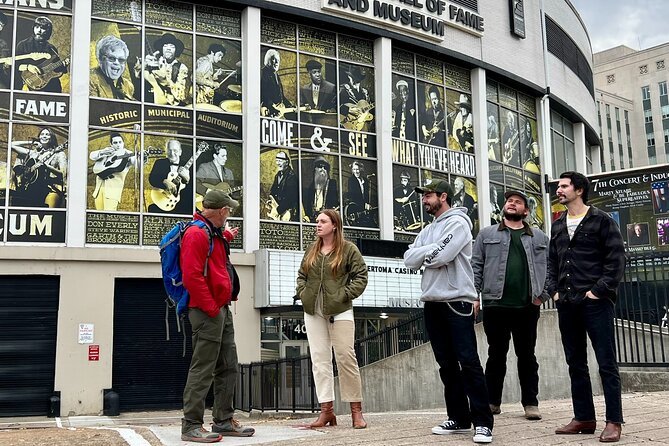
The tour caps at 20 travelers, which changes the whole vibe. Instead of shouting to the person two rows back, you can follow the guide’s explanations and still catch the small details about people, politics, and music that make Nashville tick.
This is also a tour that leans on real conversation. The format is designed around discussion outside each landmark, and there are no loudspeakers. In practice, that means the guide’s voice stays clear and you can focus on the facades, the surroundings, and the context. If you want a tour where you can ask questions without feeling like you’re interrupting a performance, this style fits well.
Getting your bearings: the walking route and timing
The walking loop runs roughly from 623 Union St to the Broadway area, with the final end point near Broadway (the assembly is at a nearby Assembly Hall close to shops, food, bathrooms, and air conditioning). The day is built around short, concentrated stops—think a few minutes of talking and looking per site—so the total time stays around 90 minutes.
That compact timing is why this works for a first visit. But it also explains why the tour can feel rushed if you’re the type who likes to soak in views for a long stretch. If you prefer a slower pace with inside visits or extended photos, you might want to pair this with a separate, longer attraction day afterward.
Stop 1: The Hermitage Hotel and the suffrage story you may miss

You start at The Hermitage Hotel, a place with a reputation for history. This stop is Tennessee’s only 5-star hotel, but the tour angle isn’t luxury trivia—it’s the hotel’s role as a backdrop for the Women’s suffrage movement before the vote.
What makes this stop click is how it reframes a familiar downtown location. Instead of seeing a famous hotel and moving on, you get the political human story connected to it—how movements built momentum, and how the city’s institutions supported change. The discussion happens outside, so you get the context without needing to turn it into a long indoor detour.
If you like landmarks that show up in headlines and then stay important over time, this is a strong opener. It also sets a tone for the rest of the tour: Nashville isn’t only music; it’s civic ambition too.
Stop 2: Nashville War Memorial Auditorium and the building-with-two-lives feel
Next up is Nashville War Memorial Auditorium—a spot that lands right on the overlap between public history and music culture. The tour presents it as a historic state legislative office building and also as a music venue.
This is one of those Nashville “how did that happen?” moments. A building that once functioned in government suddenly fits into the entertainment map, and the city’s identity keeps adapting. Even with a short stop, the talk helps you see why music venues in older downtown buildings often feel layered rather than purely modern.
The practical upside: you’re not stuck commuting to separate neighborhoods. You’re learning how the city’s timeline stacks up in place—one building can hold more than one era.






Stop 3: Tennessee State Capitol and the outside details that matter

At the Tennessee State Capitol, you’ll get a quick hit of what makes the building historically significant, plus a specific detail worth looking for: it’s described as the historic capital and the tomb of two architects. You’ll mostly be there for discussion outside, so the focus is on what you can actually spot from your position.
This stop works best if you enjoy civic architecture and the meaning behind it—how a capital building represents more than paperwork and power. It’s also a helpful reset in the tour’s pacing. After a hotel and an auditorium, the Capitol brings you back to foundational Nashville: government, design, and long-term influence.
The drawback to keep in mind is simple: with limited time, you won’t get deep inside coverage. You’re meant to leave with a solid orientation and a few things to research later if you’re curious.
Stop 4: Printer’s Alley and the darker, street-level side of downtown

Then comes Printer’s Alley, and the tour leans into the stories of Nashville’s past with a bit of skullduggery. This stop feels more like walking through narrative than walking through facts on plaques.
Why I like this one: it adds texture. Historic cities often tell their story through alleyways and side streets, where the main events had supporting players. Printer’s Alley gives you a sense of the street-level energy that can get erased when you only focus on the big public buildings and headline venues.
Because the talk is outside and the stop is brief, it’s not about turning into a crime documentary. It’s about giving you the vibe—how the city’s identity included rough edges and opportunists, not just dignified institutions.
If you’re the type who likes to keep notes for a self-guided follow-up walk, this is one you’ll want to remember.
Stop 5: Ryman Auditorium and Nashville’s music gravity

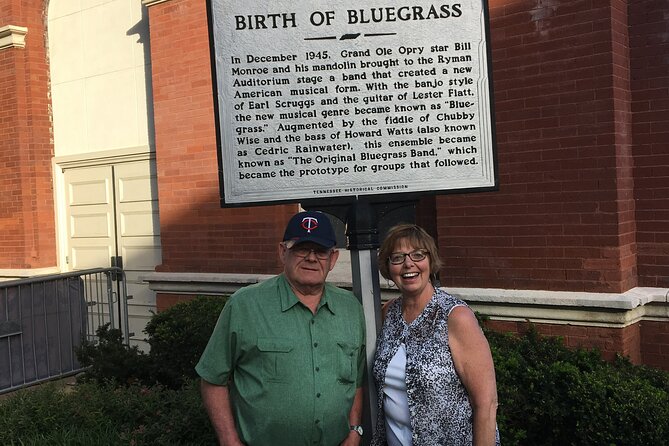
You finish at the Ryman Auditorium, often described as the Mother Church of country music. Even when you only stop outside, that name carries weight. The tour keeps it focused on why this venue matters to Nashville’s music identity, and why so many people treat it like a landmark rather than just a place to catch a show.
This closing stop makes sense. You’ve already covered politics and civic buildings, and you’ve also heard about how older structures and downtown spaces can transform. Ending at the Ryman ties the whole loop together: Nashville’s story isn’t only about who held power—it’s also about who turned culture into something lasting.
If you’re planning to see a show while you’re here, this stop gives you a useful frame. You’ll likely recognize more than just the venue—you’ll connect it to the city’s longer timeline.
Price and value: what $29.99 gets you (and what it doesn’t)
At $29.99 per person, this is priced like a typical guided downtown walk, but the value comes from how the experience is structured. You’re getting:
- a guided tour with discussion at multiple iconic landmarks
- a compact small-group format
- free admission tickets included for at least some stops
- an orientation walk that helps you understand where key downtown sights sit relative to each other
What you don’t get is what you’d expect for a walking tour: bottled water and snacks aren’t included, and there’s no private transportation. For me, that’s not a deal-breaker. It just means you should plan like you’re doing a focused stroll: bring a refillable bottle if you prefer, and eat before you go so you’re not hungry when you’re trying to listen.
Also note the overall time. If you come expecting a slow, sit-down, detailed museum-style outing, you’ll likely feel less satisfied. This is a hit of context and orientation, delivered efficiently.
Weather reality: why comfort planning matters
The tour has a weather dependency. That doesn’t mean it’s fragile; it means Nashville weather can switch fast. The good sign is that the guides have shown they can keep things moving when conditions are rough. During rain and even a tornado warning, the guide reportedly found ways to keep the group engaged and safe, including distraction in shelter and preparation like ponchos when needed.
Still, you should show up ready to move. Wear shoes you trust, and dress in layers so you can adjust. Since the stops are short and the talks are outside, comfort affects how much you enjoy the storytelling.
Who this tour fits best
You’ll likely enjoy this tour if:
- you want a first-day orientation to downtown Nashville
- you like history that connects to real places, not only names on paper
- you prefer a small group where you can follow the guide without straining to hear
- you’re okay with mostly outside discussions and limited time at each stop
It’s also a solid option for people with moderate physical fitness. The walk is designed for a general visitor pace, but it’s still a walking tour.
And if you’re traveling with a service animal, the tour allows them. The route is near public transportation, which makes it easier to plug into the rest of your day.
Should you book this downtown Nashville sightseeing walking tour?
If you want a quick, well-paced way to understand Nashville’s story—politics, civic landmarks, and music identity—this is a strong choice. The small group size and the no-loudspeakers format are the biggest reasons to book. They keep the experience human and listening-friendly, not like a hurry-up history lecture.
I’d skip it or plan differently if you want long time inside sites or a slow, photo-by-photo tour. Also, because the day depends on weather, you’ll enjoy it more if you have flexible timing and you’re willing to dress for outside walking.
FAQ
How much does the Downtown Nashville Sightseeing Walking Tour cost?
It costs $29.99 per person.
How long is the tour?
The duration is approximately 1 hour 30 minutes.
How many people are on the tour?
The tour has a maximum of 20 travelers.
What language is the tour offered in?
The tour is offered in English.
Where does the tour start and end?
It starts at 623 Union St, Nashville, TN 37219, USA, and ends at Broadway, Nashville, TN 37203, USA.
Is the tour mostly outside?
Yes. The guided discussions are outside at the landmarks.
What’s included and what’s not included?
Included: guided tour with discussions outside the landmarks, and a smaller group tour with no loudspeakers. Not included: bottled water, snacks, and private transportation.
Are admission tickets provided?
The itinerary shows admission ticket free for the listed stops.
Is the tour canceled if weather is bad?
Yes. The experience requires good weather, and if it’s canceled due to poor weather, you’ll be offered a different date or a full refund.