REVIEW · NASHVILLE
Music City Sightseeing Tour by Bus
Book on Viator →Operated by Nashville Experience Tours · Bookable on Viator
Music City makes more sense when someone connects the streets to the songs. This small-group van tour mixes landmark spotting with clear, story-driven commentary. I like that it keeps the group tight at 14 passengers and delivers a music-and-history angle as you roll past the city’s big names.
What I really appreciate is the tour’s pacing: you get time for real viewing (not just drive-bys), but you’re still moving so you can sample multiple neighborhoods in about 1.5 hours. Guides such as Larry and Joe Nashville are known for being friendly and for tying musical characters to specific corners and buildings.
One thing to consider: the stops are short, and the route is more “overview” than “all-day hop-on, hop-off.” If your top priority is a long, slow walk down honky-tonk Broadway, you may find this tour gives you less of that street-level time than you want.
In This Review
- Key points to know before you go
- A 14-Person Van Tour Beats the Big-Bus Shuffle in Nashville
- Price and Timing: What $47.99 Buys You (and What It Doesn’t)
- Getting Oriented from 520 Commerce St: The Tour’s Starting Beat
- Downtown Nashville (30 Minutes): From Tough Beginnings to Big-City Music Power
- The Joe Chambers Music Museum Stop: A Short Look at Many Genres
- Bicentennial Capitol Mall State Park (15 Minutes): Tennessee’s 200-Year Timeline
- Printer’s Alley (5 Minutes): Quick Speed-Run Through Prohibition-Era Fun
- The Egyptian Revival Church and William Strickland’s Nashville Footprint
- Tennessee State Capitol (Short Stop): Greek Revival, No Dome, Still Important
- Marathon Village (25 Minutes): Shops, Distilleries, and American Pickers Energy
- Music Row (10 Minutes): Studios, Labels, and the Business Side of Songwriting
- The Finish Near the Bluegrass Inn: Rooftop Views and People Watching
- Should You Book the Music City Sightseeing Tour by Bus?
- FAQ
- How long is the Music City Sightseeing Tour?
- What is the group size for this tour?
- What language is the tour offered in?
- Is food included in the price?
- Are admissions tickets included for stops?
- Where does the tour start and end?
Key points to know before you go
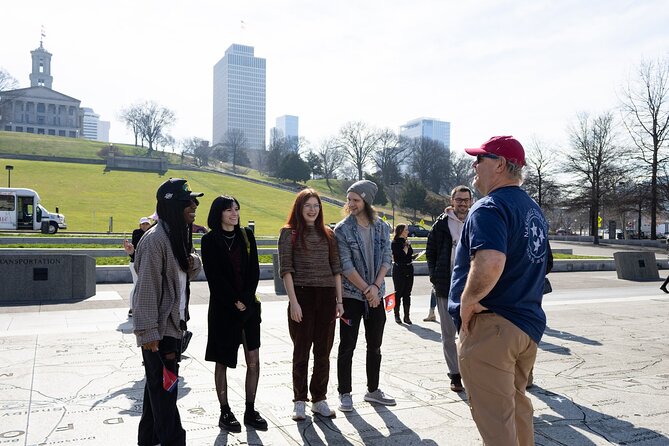
- Small group size (up to 14): easier questions, better sightlines, more personal attention
- Tight 90-minute format: enough time to orient yourself without draining your whole day
- Music-history storytelling: you’ll link landmarks to artists, eras, and unusual local characters
- Comfort first: air-conditioned vehicle and a route built for pass-by plus short stops
- A mix of famous and overlooked: downtown, Music Row, plus places that most first-time tours skip
A 14-Person Van Tour Beats the Big-Bus Shuffle in Nashville
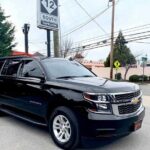
Nashville traffic can be annoying, but this format helps. You’re in an air-conditioned van, with a small headcount, so you’re not stuck staring at the back of someone’s hat for most of the trip.
That size matters for two reasons. First, you’ll see more because fewer people means less crowding at the windows and at quick photo stops. Second, the guide can actually react to the group. On tours led by Larry or Joe Nashville, the vibe tends to be warm and conversational, and that can turn a standard overview into something that feels tailored to your interests.
If you’re traveling with an older relative, this setup is often a safer bet than tours that depend on long walking segments. You’re still outside enough to enjoy the city, but you’re not grinding through constant steps.
You can also read our reviews of more city tours in Nashville



Price and Timing: What $47.99 Buys You (and What It Doesn’t)
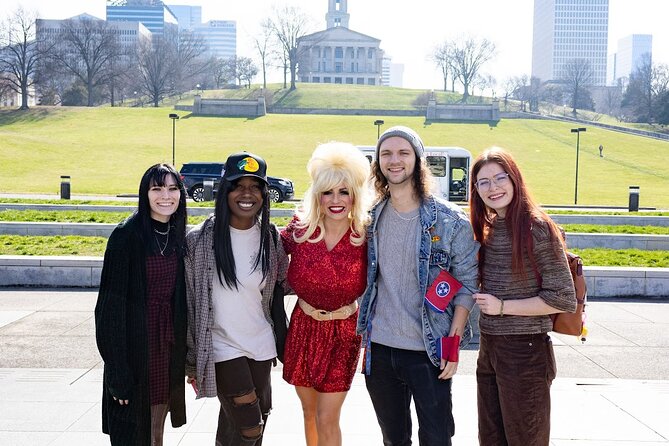
At $47.99 per person for roughly 90 minutes, this is priced like an efficient orientation tour rather than an attraction pass. The big value is what’s included: guided sightseeing, transportation, and storytelling that spans history, the music industry, and the city’s current feel.
Here’s the tradeoff. The tour does not build the day around paid museum time or full entries at multiple attractions. Many stops are short, and the tour is clear that there are no admissions fees baked in, with the notable note that there are no stops that require admission. If you’re hoping for deep time inside every major site, plan to use this tour for context, then come back on your own.
Also, the pace is timed. Some locations get minutes, not hours, so wear comfortable shoes anyway—because you’ll step out for photos and quick looks even if you won’t be lingering.
Getting Oriented from 520 Commerce St: The Tour’s Starting Beat

The meeting point is 520 Commerce St in downtown Nashville, and the tour ends back there. This is useful because you start in the zone most visitors actually need: walkable downtown access for later meals, easy rideshares, and a central jumping-off point for your next stop.
From the start, the guide’s job is to help you build a mental map. The tour is designed to make Nashville’s layout feel logical: where music industry power sits, where early downtown energy came from, and how the city’s major eras left physical clues behind.
If you only have one afternoon to get bearings, this is one of those formats that can save you time later. You’ll know what’s worth a second visit, and what’s better viewed from the sidewalk.
Downtown Nashville (30 Minutes): From Tough Beginnings to Big-City Music Power

Downtown is where the guide puts the story bones on the table. In about 30 minutes, you’ll get a local’s angle on a city that layers multiple eras over the same streets: early roots tied to immigration and frontier-minded settlers, then later chapters shaped by Civil War aftermath, saloons, and social change.
You’ll also hear how downtown helped set the groundwork for Nashville becoming what the world recognizes as Music City. The point isn’t just dates—it’s cause and effect. The guide connects eras of people, politics, and entertainment to why certain neighborhoods feel the way they do today.
The one practical downside of a downtown-heavy route is traffic and light timing. You might not have the luxury of slow wandering, but that’s also why this tour works: you get the big-picture narrative without spending half the day getting lost.
The Joe Chambers Music Museum Stop: A Short Look at Many Genres
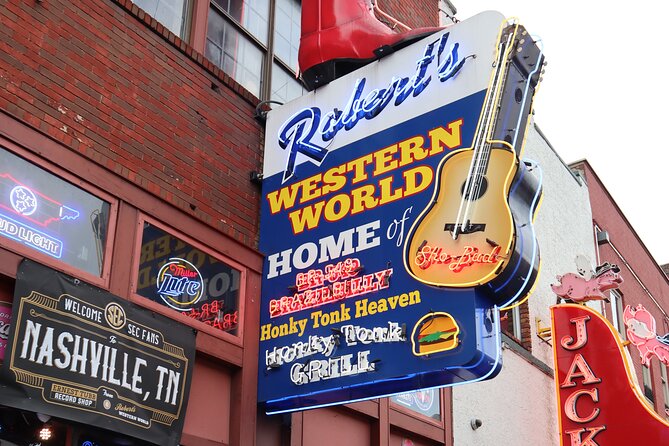
At one of the key on-route stops, you’ll get a visit to the Music Museum/Hall of Fame housed in the Municipal Auditorium. This place is operated by Nashville guitar legend Joe Chambers, and the exhibits are meant to span artists across genres rather than focus on only one era of country or only one style of rock.
The guide’s commentary helps here because the room can move fast. You’ll see names associated with guitar culture and songwriting history, including references such as Jimmy Hendrix, Bob Dylan, and Johnny Cash. Even if you don’t go deep into every display, it’s a strong reality check: Nashville’s music story isn’t one narrow lane.
If you love music history but don’t want a full museum day, this is a smart compromise. You get context, and you’ll likely leave with a list of artists and exhibits you’d want to follow up on independently.




Bicentennial Capitol Mall State Park (15 Minutes): Tennessee’s 200-Year Timeline
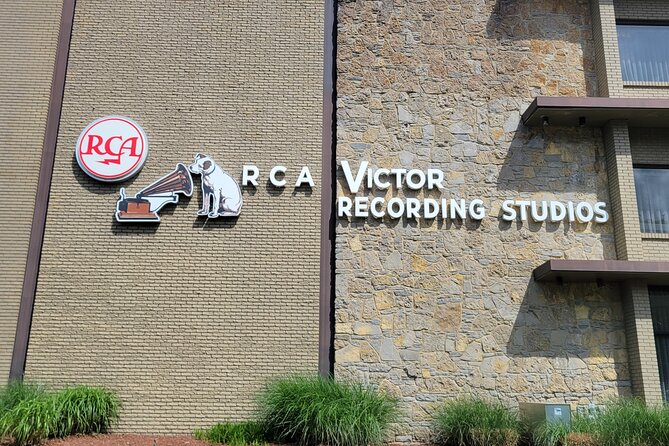
Next you roll through Bicentennial Capitol Mall State Park, a commemorative green space built around Tennessee’s 200-year celebration. This stop is 15 minutes, which means it’s designed for an overview: walk the area quickly enough to absorb the layout and major features, then get back on the road.
The standout visual described here is the marble wall historical timeline. Add in things like an amphitheater, fountains, and memorials, and you have a place where history feels built into the public space—not locked behind glass.
One nice bonus: the park sits near several other major venues, including the Nashville Sounds Baseball Stadium, the Tennessee State Library, the Tennessee State Museum, and the Nashville Farmer’s Market. Even if you don’t do those stops today, seeing the cluster helps you plan later if you want a longer, choose-your-own-adventure day.
Printer’s Alley (5 Minutes): Quick Speed-Run Through Prohibition-Era Fun
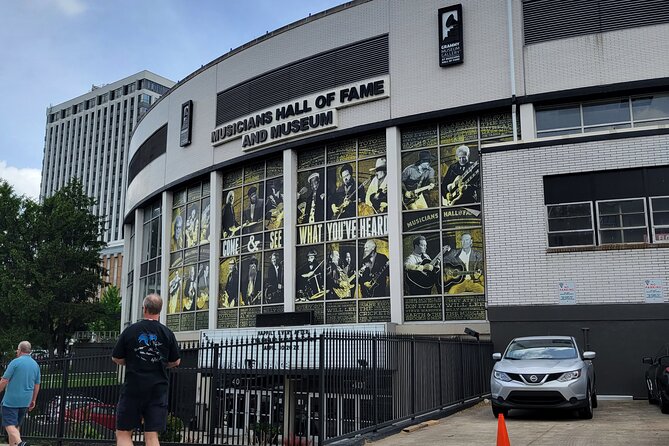
Printer’s Alley is handled as a short stop—about 5 minutes—but the payoff is in the backstory. The area ties to the 1800s when it housed printing and publishing services, then shifts into a later chapter where Prohibition nudged it toward music and nightlife, including speakeasy-era energy.
The guide also points out why Printer’s Alley still feels like a destination. The stop includes mention of Skull’s Rainbow Room, plus the way the alley attracted entertainers over time, with names like Bob Dylan and Elvis showing up in the conversation.
Because time is short, don’t expect a long hang. Think of it as a taste. After the tour, you can decide if you want to return for live music or a calmer walk once you’re off a schedule.
The Egyptian Revival Church and William Strickland’s Nashville Footprint

This is one of the more surprising stops, and it’s easy to see why. You’ll visit a pre-Civil War church built in Egyptian Revival architecture by William Strickland, who is also tied to major city landmarks like the Tennessee State Capital.
The historical layers make this stop more than an architectural oddity. The building also served as a Union hospital during the Civil War, and it’s connected as the home church of President Andrew Jackson.
It’s quick, but it changes how you read the city. Nashville doesn’t just tell music stories—it also stores political and wartime history in structures you’d otherwise pass.
Tennessee State Capitol (Short Stop): Greek Revival, No Dome, Still Important
You’ll then reach the Tennessee State Capitol, with a look at its Greek Revival design and the fact that it dates back to the 1850s. A key architectural note is that it’s one of only 12 state capitals that do not feature a dome, which gives you something concrete to notice even if you’re not an architecture person.
The guide also mentions that a couple of people are entombed in the building. That adds weight to what could otherwise be a quick photo stop. You’re not just taking in a facade—you’re seeing a place that survived the Civil War and kept functioning as a civic symbol.
Again, time is limited here, so your best move is to pay attention to what’s pointed out: the structural style, the dome-free layout, and the significance the guide ties to Nashville’s political identity.
Marathon Village (25 Minutes): Shops, Distilleries, and American Pickers Energy
Marathon Village gets the most time on the second half of the tour at 25 minutes. That’s a deliberate choice because it’s a place where you can actually do something on your own.
This area is connected to the old early 20th-century Marathon Motor Works automobile company, and today it functions as a cluster for shops, plus a distillery and brewery. There’s also mention of American Pickers, which helps explain why the area has a fun, pop-culture-friendly feel.
A bonus detail: the site also has an exciting performance venue. So even if you’re not purchasing drinks or shopping during the stop, it’s a good place for people-watching and quick photos with some real atmosphere.
If you want a stronger payoff than the brief historic stops, this is the segment that delivers the most “okay, I can actually use my time here.”
Music Row (10 Minutes): Studios, Labels, and the Business Side of Songwriting
After Marathon Village, you’ll move into Music Row for about 10 minutes. This part is especially helpful if you’ve heard the term but don’t know what makes it different from other music-famous corridors.
The tour’s framing is clear: Music Row is tied to the studios, labels, publishing companies, and songwriter’s spaces where songs get created, recorded, and packaged. The guide connects it to artists ranging from Dylan and Elvis to modern chart names like Foo Fighters, and country icons like Tim McGraw and George Strait.
Importantly, the tour also distinguishes Music Row from Lower Broadway. That’s a valuable point for first-timers: Nashville’s music culture isn’t just a single street. It’s a network of places, and this stop helps you see where the industry’s machinery sits.
This segment is still short, so treat it as a map lesson. If you want to tour studios or find a specific songwriter’s haunt, use this orientation to decide where to go next.
The Finish Near the Bluegrass Inn: Rooftop Views and People Watching
The tour wraps with a pass through an upscale area often described as mixing newer tastes with older character, with attention to the neighborhood near The Bluegrass Inn. This is where the atmosphere shifts into hotel energy, rooftop bar views, and a more curated visitor vibe.
Because the tour is wrapping up, this final stretch is less about history and more about recognizing how Nashville changes block by block. You’ll know what kind of area you’ve been in, and what kind of evening plan fits best.
If you’re the type who likes to end tours with a plan, this is a good moment. You’ll have seen enough by now to pick a direction for dinner: downtown classic, music-industry focused, or nightlife-oriented.
Should You Book the Music City Sightseeing Tour by Bus?
Book it if you want a fast, comfortable orientation with real storytelling and a tight group size. The best use case is a first visit to Nashville, a short stay, or a day where you want to cover downtown, key music neighborhoods, and a few “how did I miss that?” stops without committing to a full museum schedule.
Skip (or supplement it) if your dream Nashville day is mostly Broadway honky-tonks on foot. Some routes don’t spend much time on that street-level scene, and this one favors broader landmarks and quick photo-and-view moments. Also, if you want long time inside multiple major attractions, you’ll need to add separate plans after the tour.
My take: at $47.99 with a licensed local guide, air-conditioned transport, and a format built for first-time orientation, it’s a solid value—especially if you like your Nashville with context, not just stops.
FAQ
How long is the Music City Sightseeing Tour?
The tour is about 1 hour 30 minutes.
What is the group size for this tour?
The group is limited to a maximum of 14 travelers.
What language is the tour offered in?
The tour is offered in English.
Is food included in the price?
No. Food and drinks are not included.
Are admissions tickets included for stops?
No. The tour states that there are no admissions fees included, and the itinerary notes there are no stops that require admission fees.
Where does the tour start and end?
The tour starts at 520 Commerce St, Nashville, TN 37203, USA and ends back at the meeting point.